
Summary
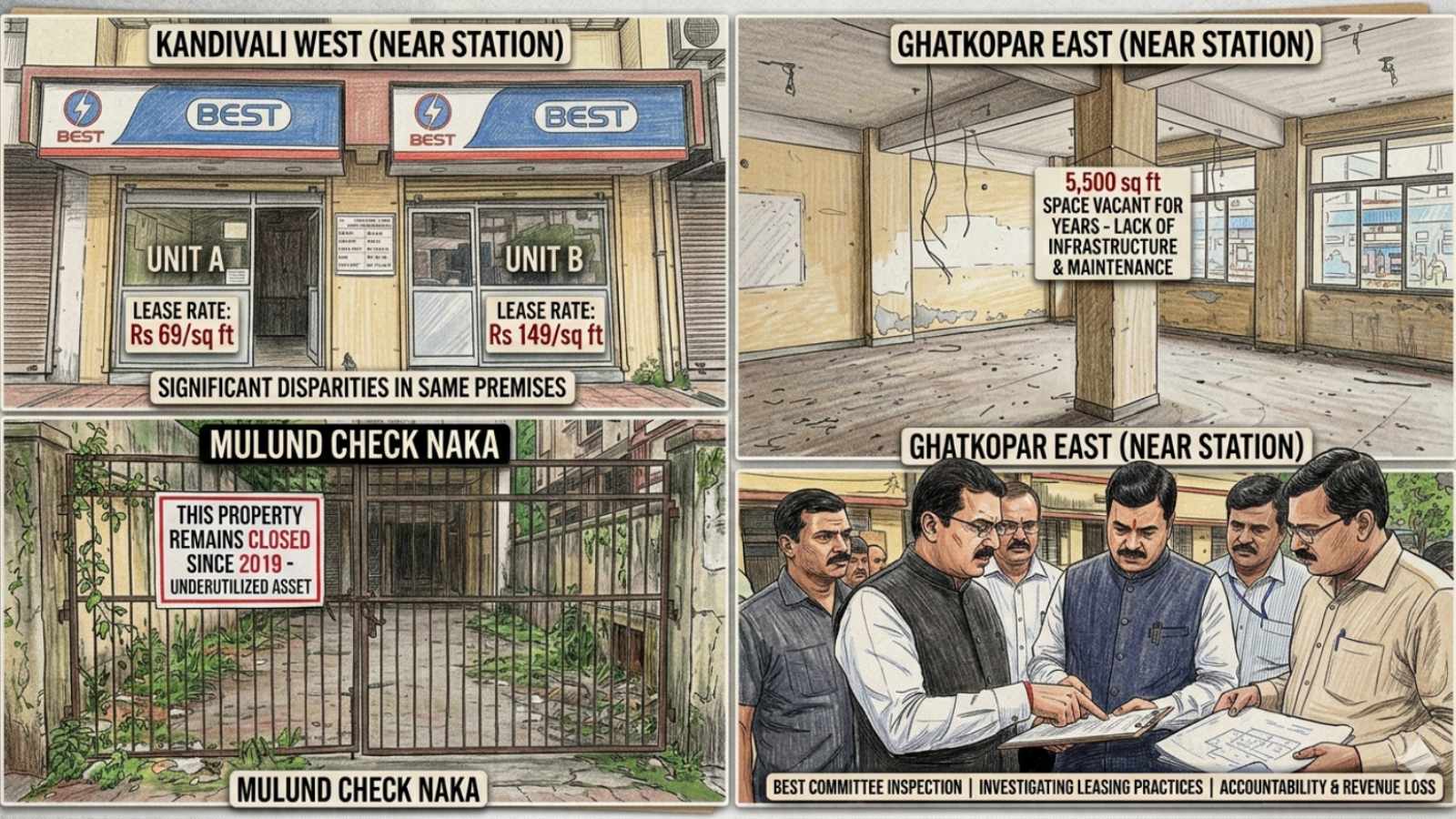
Recent inspections of Brihanmumbai Electric Supply and Transport (BEST) sites have revealed significant issues regarding how the organization manages its resources. Officials found that many properties owned by the agency are currently sitting empty and unused. Additionally, there are noticeable gaps in how services are priced, which could be leading to financial losses. A member of the oversight panel also raised serious questions about the fairness and transparency of the contract bidding process, known as the tender system.
Main Impact
The discovery of these issues suggests that BEST is not making the most of its valuable assets. When land and buildings remain vacant, the agency loses out on potential rent or operational income. The pricing gaps mean that the money collected from the public might not align with the actual costs of providing transport and electricity. Most importantly, the concerns regarding the tender process could mean that public money is not being spent as efficiently as possible. If these problems are not fixed, it could lead to higher costs for commuters and taxpayers in the long run.
Key Details
What Happened
Members of the BEST committee recently conducted a series of site visits to inspect various depots, offices, and plots of land owned by the organization. During these visits, they noticed that several large areas of land and multiple buildings were not being used for any specific purpose. These "vacant assets" represent a missed opportunity for the city. Furthermore, the visitors looked into the financial records and found "pricing gaps." This term refers to instances where the price charged for a service does not match the market rate or the cost of providing that service.
Important Numbers and Facts
While specific financial figures are still being calculated, the inspection highlighted that dozens of properties across Mumbai are underused. The panel member who raised the alarm focused on the "tender" process, which is how BEST hires private companies to provide buses or maintain equipment. The concern is that the rules for these contracts might be too loose or could favor certain companies over others. This is a major issue because BEST spends a large portion of its budget on these external contracts every year. Ensuring that these deals are fair is vital for keeping the organization out of debt.
Background and Context
BEST is one of the oldest and most important organizations in Mumbai. It is responsible for the iconic red buses that millions of people use every day, and it also provides electricity to the southern part of the city. For many years, BEST has faced financial difficulties. It often spends more money than it earns, leading to a constant need for financial help from the city government. To fix this, the agency has been trying to find new ways to make money, such as renting out its land or modernizing its fleet. However, these recent site visits show that there is still a long way to go in managing these resources properly.
Public or Industry Reaction
The reaction from the committee has been one of concern. Many members feel that the organization is sitting on a "gold mine" of property that could be used to pay off its debts. Transport experts have also weighed in, suggesting that if BEST does not fix its pricing and contract issues, the quality of service might drop. Passengers are worried that if the agency continues to lose money, bus fares might increase or there might be fewer buses on the road. There is a strong call for more transparency so that the public knows exactly how their money is being used and why certain companies are winning big contracts.
What This Means Going Forward
Following these visits, BEST is expected to create a new plan for its vacant properties. This might include leasing out space to shops, offices, or even using the land for housing projects. There will also likely be a review of the pricing structure to ensure it is fair and sustainable. The most critical next step will be an investigation into the tender process. If the panel's concerns are proven right, the agency may need to change its rules for how it hires private contractors. This would ensure that only the best and most cost-effective companies are chosen to work with the city.
Final Take
BEST remains a lifeline for Mumbai, but it must act more like a modern business to survive. By leaving land empty and ignoring gaps in its pricing, the organization is hurting its own chances of success. Addressing the concerns about how contracts are handed out will be the first step in building trust with the public. If the management can turn these vacant assets into steady income, the future of Mumbai’s public transport will look much brighter.
Frequently Asked Questions
What are vacant assets in this context?
Vacant assets are buildings or pieces of land owned by BEST that are currently not being used for any work, storage, or business. These could be rented out to generate extra money for the agency.
Why is the tender process important?
The tender process is how BEST chooses private companies to do work for them. It is important because it ensures that the agency gets the best service at the lowest possible price, preventing the waste of public funds.
How do pricing gaps affect the public?
Pricing gaps can lead to financial losses for BEST. If the agency loses too much money, it may eventually have to raise bus fares or reduce the number of buses available to the public to cover its costs.



