
Summary
West Bengal Chief Minister Mamata Banerjee is currently facing one of the most difficult political challenges of her career. As she seeks a fourth term, she is dealing with complaints about a lack of jobs and corruption charges against her party members. However, her strongest support has always come from women voters, who have helped her win in the past. A recent change in the state's voter lists has removed many women's names, creating a new conflict between her party and the Election Commission. This article looks at how women remain the most important factor in the upcoming Bengal elections.
Main Impact
The most significant development in the current election cycle is the sudden drop in the number of female voters on the official lists. For over ten years, the number of women voters in West Bengal had been growing steadily. Recent data shows that this trend has reversed after a process called the Special Intensive Revision (SIR). This change could hurt the Trinamool Congress (TMC) because the party relies heavily on the female vote to win close contests. If thousands of women are unable to vote, it could shift the balance of power toward the opposition.
Key Details
What Happened
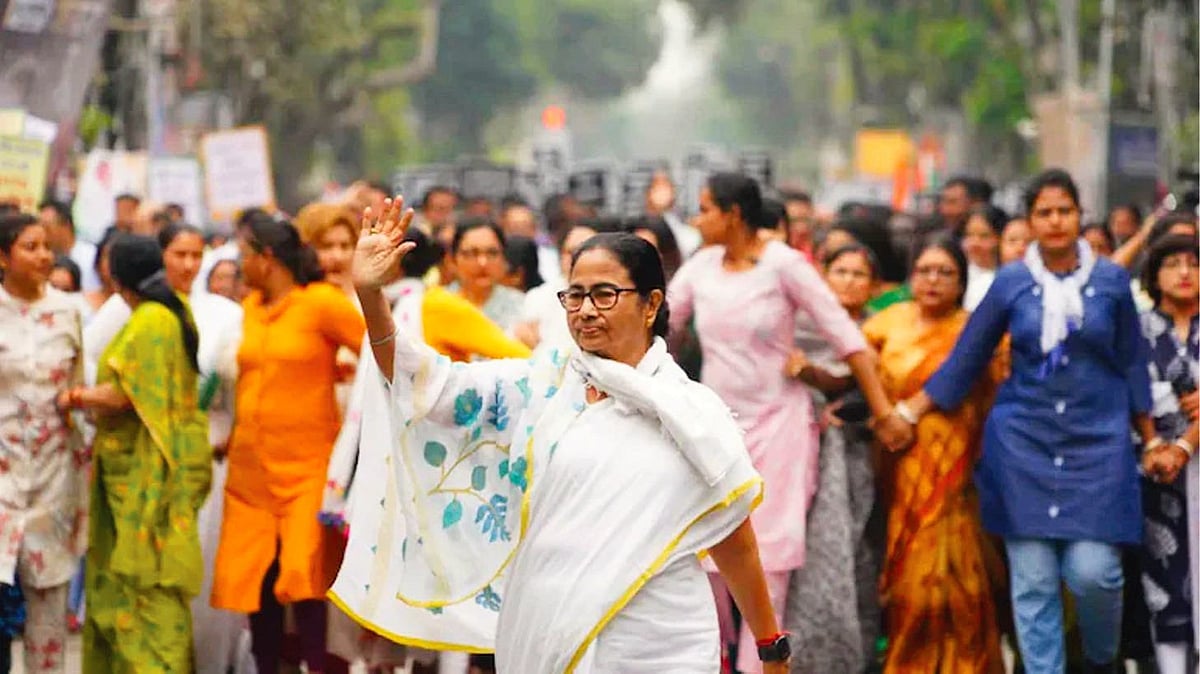
During her recent election rallies, Mamata Banerjee has been asking crowds if they have seen their names removed from the voter lists. She claims that the Election Commission of India (ECI) is trying to take away the voting rights of her supporters through the SIR process. Her party leaders argue that the process was unfair and that their representatives were not allowed to help people during the official hearings. They also claim that new rules were added halfway through the process to make it harder for genuine voters to stay on the list.
Important Numbers and Facts
The data reveals a clear change in the voter population. In the 2024 Lok Sabha rolls, there were about 966 women for every 1,000 men in West Bengal. After the recent revision, that number fell to roughly 956 women per 1,000 men. To fight back against this loss of support, the state government has increased its spending on women. The 2025-26 state budget set aside more than Rs 1.18 lakh crore for schemes specifically for women and another Rs 59,000 crore for programs helping children.
Background and Context
Mamata Banerjee has built her political strength by creating many welfare programs that give money directly to women. While some critics say she should focus more on building factories and creating big industry jobs, these "doles" have created a very strong bond between her and female citizens. Unlike some other states where money is given only right before an election, Bengal has had these programs running for many years.
One of the most famous programs is Kanyashree, which started in 2013. It gives money to girls who stay in school and do not get married before they are 18. Another program, Lakshmir Bhandar, provides a monthly payment to over 2.4 crore women. For many poor families, this small but regular amount of money provides a safety net that helps them buy food or start very small businesses.
Public or Industry Reaction
The reaction to these programs is visible in daily life. In places like Kolkata and rural villages, women talk about how these payments helped them during the pandemic. For example, some women used the money to start selling flowers or snacks when their husbands lost their jobs. On television, shows like "Didi No. 1" celebrate these success stories, making the Chief Minister seem like a family member to many voters.
The BJP is trying to compete by promising even more money—up to Rs 3,000 per month. However, the TMC has called this a "Ponzi scheme," claiming the BJP has failed to deliver on similar promises in other parts of the country. Some younger urban voters are interested in the BJP's promises, but many rural women remain loyal to the TMC because they have already been receiving benefits for years.
What This Means Going Forward
The outcome of the election will likely depend on two things. First, it depends on whether the TMC can help the deleted voters get back on the list before the final deadline. If the names stay off the list, the party could lose many seats. Second, it depends on whether the "bidding war" for women's votes works. Both major parties are now promising large amounts of cash to win over female voters. This shows that women are now the most powerful group in Bengal's politics, and no party can win without them.
Final Take
While corruption and economic problems are real issues in West Bengal, the personal connection between Mamata Banerjee and women voters is still her greatest advantage. The attempt to change voter lists has added a lot of uncertainty to the race, but the long history of welfare support makes it hard for the opposition to break the TMC's hold on this group. In the end, the person who wins the trust of Bengal's women will likely lead the state.
Frequently Asked Questions
What is the SIR process in West Bengal?
The Special Intensive Revision (SIR) is a process used by the Election Commission to update and clean the voter lists. In Bengal, this recent update resulted in a significant drop in the number of registered female voters.
What is Lakshmir Bhandar?
Lakshmir Bhandar is a welfare scheme in West Bengal that provides a monthly cash transfer to eligible women aged 25 to 60. It is one of the most popular programs launched by the Mamata Banerjee government.
Why are women voters so important in this election?
Women have historically voted in high numbers for the Trinamool Congress. Because the male vote is often split between different parties, the group that wins the majority of the female vote usually wins the entire election in West Bengal.

