
Summary
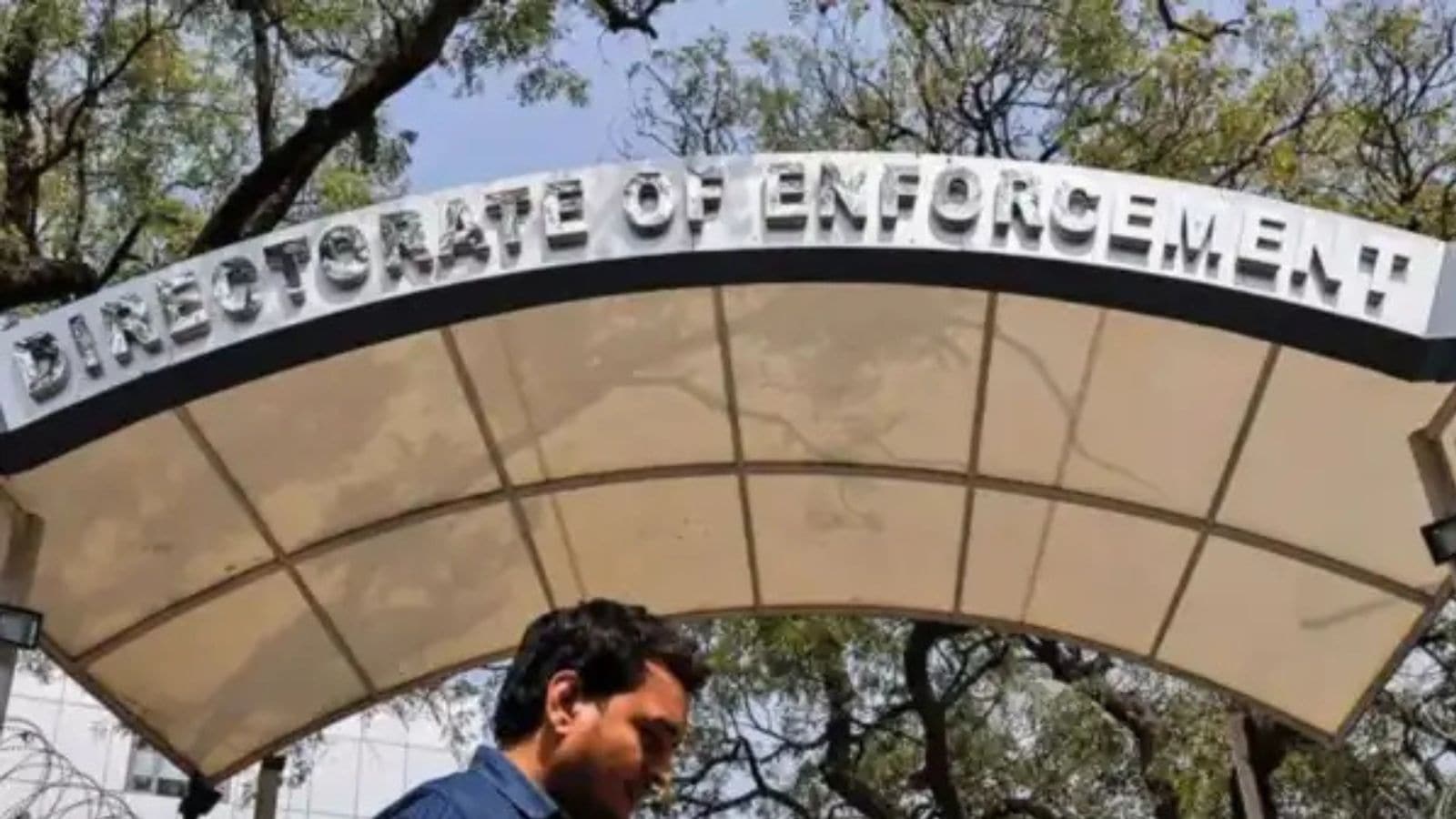
The Enforcement Directorate (ED) has launched a new series of searches at nine different locations across West Bengal. These raids are part of a large-scale investigation into a ration distribution scam that has affected the state for several years. The current focus is on three specific rice traders who are believed to have played a major role in moving illegal goods and money. This action is important because it shows that investigators are now looking closely at the business owners who helped hide the stolen food supplies.
Main Impact
The latest raids by the ED signal a major shift in the investigation. While previous actions focused on high-ranking politicians, the focus has now moved to the private sector. By targeting rice millers and traders, the authorities are trying to find the physical path that the stolen grain took. This is expected to reveal how government-funded food was taken from the public system and sold for private profit. The impact is significant because it puts pressure on the entire supply chain, making it harder for corrupt individuals to hide their activities in the future.
Key Details
What Happened
Early on Saturday morning, several teams of ED officials arrived at the homes and offices of three prominent rice traders. To ensure the safety of the officers and the integrity of the evidence, central security forces were deployed at every location. The officials spent several hours searching through paper files, computer records, and mobile phones. They are looking for evidence of "ghost" transactions where food was marked as delivered but was actually sold elsewhere.
Important Numbers and Facts
The operation involved nine different premises being searched at the same time. This scam is estimated to involve hundreds of crores of rupees that were meant to provide food security for the poor. Over the past year, several people have been taken into custody, including a former food minister and other local leaders. The ED believes that a large portion of the illegal money was sent abroad or invested in various properties to hide its origin.
Background and Context
The ration scam in West Bengal involves the Public Distribution System, often called the PDS. This system is a vital government program that provides basic food items like rice and wheat at very low prices to families who cannot afford them. The scam worked by creating fake records of food distribution. In reality, the grain was diverted from government warehouses to private mills. From there, it was packaged and sold in the open market at much higher prices. This left many poor families without the food they were promised by the state. The investigation began after several complaints were filed regarding the quality and quantity of food reaching the public.
Public or Industry Reaction
The reaction to these raids has been mixed. Many citizens are happy to see the authorities taking action, as the scam directly affected their ability to get food. However, within the rice milling industry, there is a sense of fear. Honest business owners worry that the increased scrutiny might lead to delays in their regular work or cause problems with their bank accounts. Politically, the situation remains tense. Opposition parties are using the raids to criticize the current state government, while some local leaders claim the central agencies are being used for political reasons. Despite these arguments, the focus remains on the missing food and the money that was taken from the public fund.
What This Means Going Forward
The documents and digital evidence collected during these nine searches will now be carefully checked by financial experts. The ED wants to see if the money earned from the illegal rice sales was used to buy other businesses or real estate. This could lead to more properties being seized by the government. In the coming weeks, the three traders may be called in for more questioning to explain the gaps in their records. The investigation is also likely to look at the transport companies that moved the grain, as they would have been a necessary part of the illegal network. The goal is to completely stop the flow of illegal money and ensure the PDS works correctly for the people who need it most.
Final Take
The ongoing raids in West Bengal show that the authorities are committed to uncovering every part of the ration scam. By moving from political figures to the business partners involved, the ED is closing the circle on those who profited from public hunger. This case serves as a clear warning that stealing from social welfare programs will eventually lead to serious legal consequences. For the people of West Bengal, the hope is that these actions will lead to a cleaner and more honest food distribution system that truly serves the poor.
Frequently Asked Questions
What is the Bengal ration scam?
It is a fraud where food grains meant for poor families through the government distribution system were stolen and sold in the open market for profit.
Why is the Enforcement Directorate (ED) involved?
The ED investigates financial crimes. Since the ration scam involves money laundering and the illegal movement of large amounts of cash, it falls under their authority.
What happens to the traders if they are found guilty?
If the traders are found guilty of money laundering or fraud, they could face long prison sentences, heavy fines, and the government could take away their properties and bank balances.



