
Summary
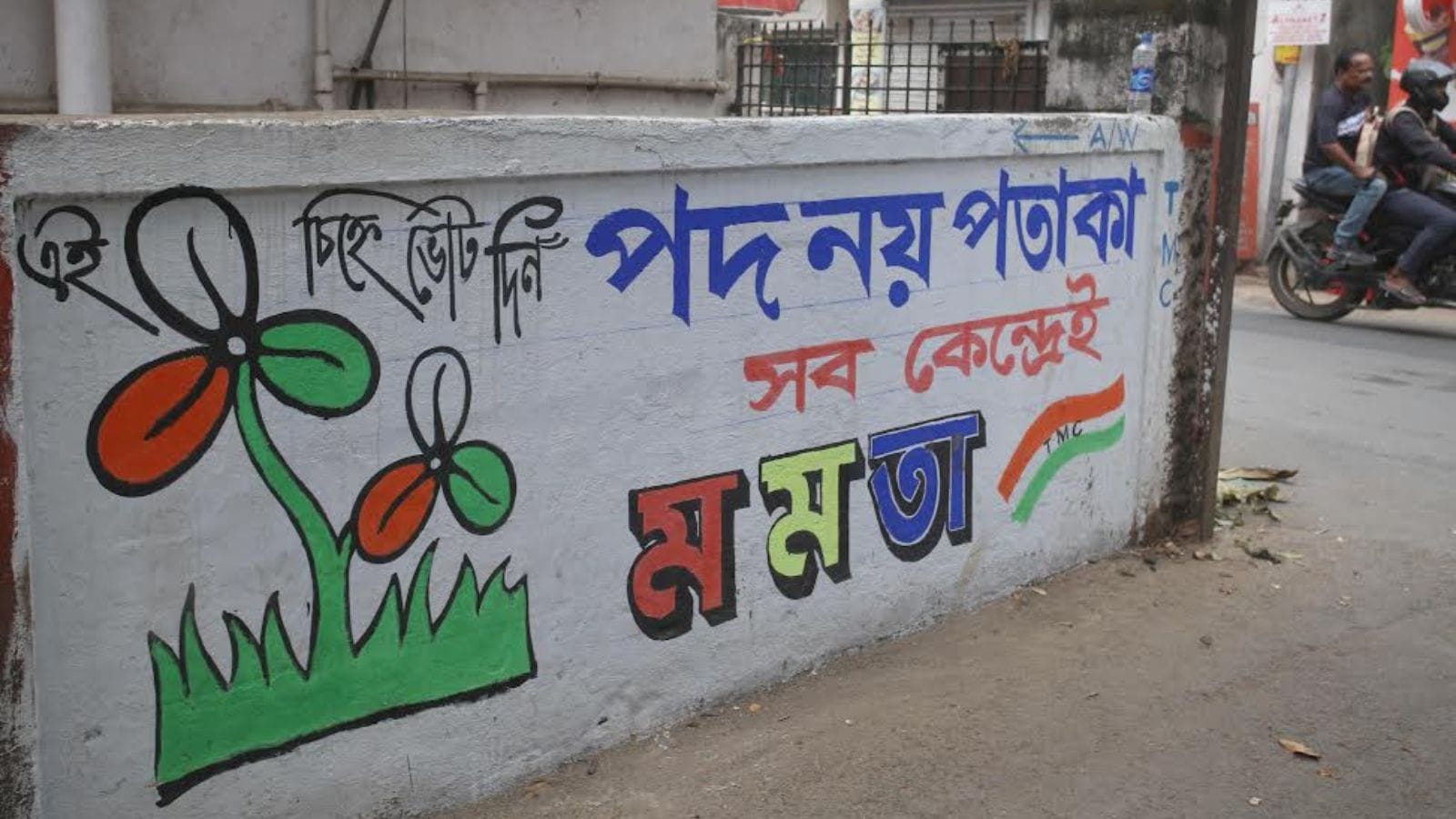
Political campaigning in West Bengal is undergoing a major change as digital tools become more popular. Political parties are now using social media, short videos, and artificial intelligence to reach voters across the state. Despite this shift toward technology, the traditional practice of wall graffiti remains a powerful and beloved part of the election season. This mix of modern tech and old-school art shows how parties are trying to connect with different generations of voters.
Main Impact
The rise of digital campaigning has changed the speed of political battles in Bengal. Information and slogans can now spread across the state in seconds through smartphones. However, this has not replaced the physical presence of political art on the streets. The main impact is a two-track system where parties fight for attention on mobile screens while still fighting for every inch of wall space in local neighborhoods. This ensures that even people without internet access stay informed about the upcoming elections.
Key Details
What Happened
As the election season begins, the streets of West Bengal are filling up with color. In the past, political workers would spend weeks painting slogans and party symbols on the walls of houses and shops. Today, much of that energy has moved online. Parties have set up "IT cells" and hired professional content creators to make viral videos. Even with these new tools, the demand for wall artists has not gone away. In many villages and city lanes, the "wall war" is the first sign that an election is near.
Important Numbers and Facts
Data shows that West Bengal has millions of active social media users, making digital ads a top priority for all major parties. Reports suggest that spending on digital political ads has increased by over 40% compared to the last major election. At the same time, local artists who paint walls can earn between 500 to 2,000 rupees per wall depending on the complexity of the design. Many parties "book" walls months in advance by writing the party name and a "site blocked" message to prevent rivals from using the space.
Background and Context
West Bengal has a long history of using art for political expression. For decades, wall graffiti was the primary way for parties like the TMC, BJP, and the Left to talk to the public. These paintings often include clever rhymes, caricatures of leaders, and sharp social commentary. While other states moved away from wall writing due to strict rules, Bengal kept the tradition alive. It is seen as a way to show local strength and community involvement. Now, with the arrival of high-speed internet, the challenge is to keep this tradition relevant for a younger audience that spends more time looking at phones than at walls.
Public or Industry Reaction
Voters have mixed feelings about the new digital push. Younger people appreciate the quick updates and funny memes shared on platforms like Instagram and X. However, older residents often find the digital flood overwhelming and sometimes untrustworthy due to "fake news." Many locals say they still prefer wall graffiti because it feels more personal and artistic. Local artists are happy that their skills are still in demand, though they admit that the younger generation of political workers is more interested in making "reels" than holding a paintbrush.
What This Means Going Forward
The future of campaigning in Bengal will likely be a hybrid model. Digital tools will be used for broad messaging and attacking rivals quickly. Meanwhile, wall art will serve as a tool for local identity and grassroots connection. There is a risk that the cost of digital campaigning might make it harder for smaller parties or independent candidates to compete. However, the low cost of a bucket of paint and a brush means that wall graffiti remains a democratic way for anyone to make their voice heard on the street level.
Final Take
While technology is changing how politics works, it cannot easily replace the cultural roots of a region. In West Bengal, an election does not feel real until the walls start talking. The survival of wall graffiti alongside high-tech digital ads proves that in politics, the old and the new can live together. The true winner in this change is the voter, who gets to see a unique blend of modern communication and traditional street art.
Frequently Asked Questions
Why is wall graffiti still popular in Bengal?
Wall graffiti is a deep-rooted tradition that shows a party's local presence. It is a cheap and effective way to reach everyone in a neighborhood, including those who do not use the internet.
How are parties using AI in the elections?
Parties are using AI to create high-quality videos, translate speeches into local dialects, and even create digital avatars of leaders to send personalized messages to voters.
Is wall painting legal during elections?
Yes, but there are rules. Parties must get written permission from the owner of the house or building before they can paint any political slogans or symbols on the walls.



