
Summary
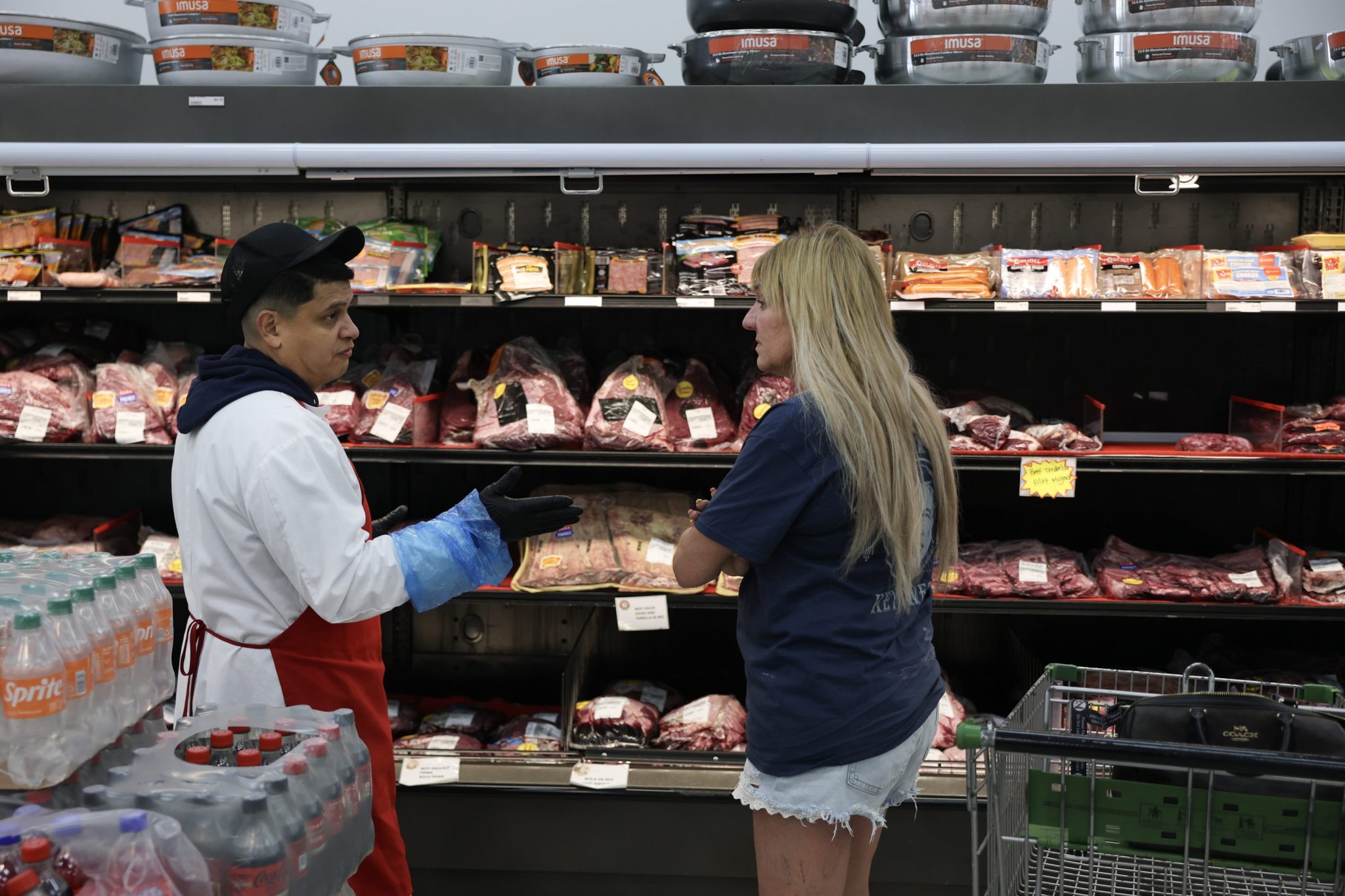
Beef prices in the United States have reached record levels, making it difficult for many families to afford common meat products. Experts warn that these high prices are not a temporary spike and will likely remain high until at least 2028. This trend is driven by a combination of a shrinking cattle population and a massive increase in the demand for protein among American consumers. As a result, beef is quickly becoming a luxury item rather than a daily staple for many households.
Main Impact
The rising cost of beef is changing how people shop for food and how farmers run their businesses. For the average shopper, the price of ground beef and steak has climbed so high that many are choosing to skip the meat aisle entirely. This shift is not just about a few cents; it is a significant financial burden that affects weekly grocery budgets. For the industry, the low number of available cattle means that the entire supply chain, from the farm to the dinner table, is under intense pressure to keep up with what people want to buy.
Key Details
What Happened
In recent months, the price of beef has stayed at levels never seen before. Data from the Bureau of Labor Statistics shows that ground beef cost about $6.70 per pound in March. This is nearly a full dollar more than what people paid just one year ago. Steaks have seen an even bigger jump, with prices rising by 16% over the last year to an average of $12.73 per pound. While there was a very small price drop at the start of the year, experts say we should not expect prices to go back to the $4 or $5 range anytime soon.
Important Numbers and Facts
The current situation is backed by several startling figures. The number of beef cattle in the U.S. is at its lowest point in 75 years. As of early 2026, the cattle population has dropped by 8.2 million animals since 2020, which is a decrease of about 8.6%. The USDA predicts that beef prices will continue to rise by another 10.1% throughout 2026. In some areas, the inflation for meat could even reach as high as 18.3% depending on local supply and demand factors.
Background and Context
There are two main reasons why beef has become so expensive: supply and demand. On the supply side, farmers have faced a long-lasting and severe drought that has made it hard to raise large herds. High interest rates and the rising cost of fuel and feed have also made it more expensive to run a ranch. Many farmers have had to sell off their cattle because they could not afford to keep them.
On the demand side, Americans are eating more meat than they used to. There is a growing trend where people focus on eating high amounts of protein to stay healthy. Even the government’s dietary guidelines now suggest that people should prioritize protein in every meal. Interestingly, fewer people are choosing to be vegan or vegetarian. In 2020, about 14% of Americans said they did not eat meat, but by 2025, that number dropped to only 7%. This means more people are competing for a smaller supply of beef.
Public or Industry Reaction
To deal with the shortage of American cattle, meat processing companies are looking for help from other countries. Imports of beef from places like Mexico and Argentina have increased by 11% compared to last year. Farmers are also trying to get more meat out of the animals they do have. They are raising cows to be much heavier than in the past so that each animal provides more food for the market. Despite these efforts, the high demand continues to push prices upward, and many consumers are expressing frustration at the checkout counter.
What This Means Going Forward
The outlook for the next few years suggests that relief is far away. Global events, such as conflicts in the Middle East, are keeping energy prices high. When gas prices stay above $4 per gallon, it costs more to transport cattle and keep meat refrigerated in stores. High energy costs also lead to more expensive fertilizer, which makes the corn used to feed cows more costly. Because it takes a long time to grow a cattle herd, experts believe the market will not fully recover until 2028. Until then, shoppers should expect beef to remain an expensive item on their shopping lists.
Final Take
The days of cheap beef appear to be over for the foreseeable future. With a record-low number of cattle and a record-high hunger for protein, the economic math simply points to higher costs. Families may need to look for other protein sources or view beef as a special treat rather than a regular part of their diet for the next several years.
Frequently Asked Questions
Why is beef so expensive right now?
Beef prices are high because there are fewer cattle available due to drought and high farming costs. At the same time, more Americans are eating meat, which creates a shortage and drives prices up.
When will beef prices go down?
Experts and agricultural economists believe that prices will stay at record highs for several years. They do not expect a significant drop in prices until at least 2028.
Are people eating less meat because of the cost?
While some people are skipping beef to save money, overall demand in the U.S. has actually grown. Fewer people are identifying as vegetarians, and many are focusing on high-protein diets, which keeps the demand for beef very strong.



