
Summary
The government of Andhra Pradesh is moving forward with a new law called the BC Protection Act. This law is designed to provide safety and legal support for people belonging to Backward Classes (BC). It focuses on stopping caste-based insults and the practice of social exclusion. Before the law becomes official, the government plans to meet with community leaders to get their feedback and make sure the rules are fair and effective.
Main Impact
The introduction of the BC Protection Act is expected to change how social disputes are handled in the state. By making caste-based abuse a serious legal matter, the government aims to reduce the number of cases where people are bullied or mistreated because of their background. The most significant impact will be on rural areas, where social pressure is often used to control or punish individuals. This law gives the police and the courts more power to step in and protect those who are being targeted.
Furthermore, this move shows a strong commitment to social justice. It sends a message that the state will not tolerate behavior that treats any group of people as inferior. For the BC communities, this means more than just legal protection; it offers a sense of dignity and security in their daily lives. It also encourages people to speak up against unfair treatment without the fear of being ignored by the authorities.
Key Details
What Happened
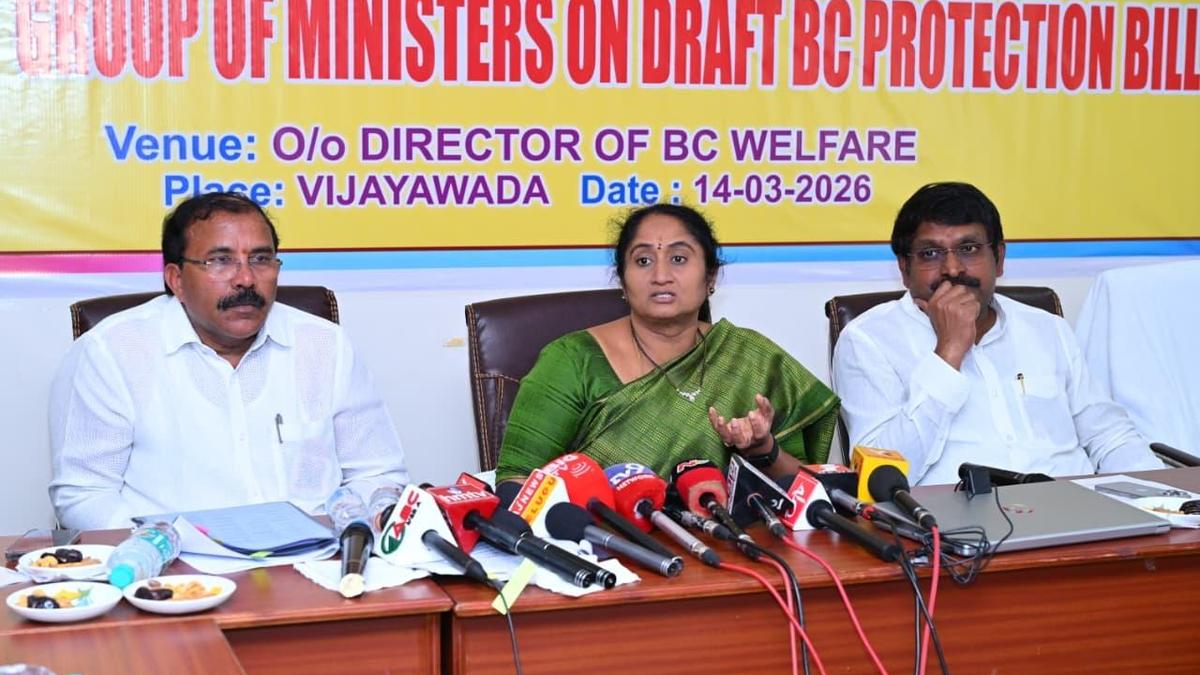
A senior Minister in the Andhra Pradesh government recently announced that the draft for the BC Protection Act is ready. The government has been working on this plan to address long-standing complaints from Backward Class communities. The Minister explained that the law will specifically target "social ostracism." This is a situation where a group of people decides to stop talking to, working with, or helping a specific person or family to punish them. The new law will make this kind of behavior illegal and punishable by law.
The government is not rushing to pass the law immediately. Instead, they are holding meetings with representatives from various BC groups. These consultations are meant to ensure that the law covers all the necessary issues and does not have any loopholes that people could use to avoid punishment.
Important Numbers and Facts
While the full text of the bill has not been released to the public yet, several key facts have been shared by the ministry. The law will include strict penalties for those found guilty of verbal abuse related to caste. It will also set up a faster process for reporting these crimes. The government intends to implement the act across all districts of Andhra Pradesh as soon as the final version is approved by the state assembly. The timeline suggests that these meetings with community leaders will happen over the next few weeks, with the goal of bringing the bill to the floor in the next legislative session.
Background and Context
In many parts of India, including Andhra Pradesh, people from Backward Classes have faced challenges for a long time. Even though there are general laws to protect citizens, specific types of social bullying often go unpunished. For example, if a family is blocked from using a village well or if people are told not to do business with them, it can be hard to prove a crime happened under old laws. The BC Protection Act is being created to fill these gaps in the legal system.
The demand for such a law has been growing for years. Community activists have argued that without a specific law, it is difficult for the police to take action against social boycotts. The government is responding to these demands by creating a framework that recognizes these social issues as serious crimes. This follows similar efforts in other states to protect marginalized groups from systemic unfairness.
Public or Industry Reaction
The reaction to the announcement has been mostly positive among social rights groups. Many leaders from the BC communities have welcomed the move, calling it a necessary step for equality. They believe that having a dedicated law will make it easier for victims to come forward. However, some groups have also asked the government to make sure the law is not misused. They want to ensure that the investigation process is fair for everyone involved.
Legal experts have noted that the success of the BC Protection Act will depend on how well the police are trained to handle these cases. Since social exclusion can be subtle, officers will need clear guidelines on how to gather evidence. There is also a call for the government to set up special help desks or helplines so that people in remote areas can report abuse easily without having to travel long distances to a police station.
What This Means Going Forward
Once the consultation phase is over, the government will finalize the draft and present it to the state assembly. If passed, the BC Protection Act will become a major part of the state's legal system. The next steps will involve setting up special committees to monitor how the law is being used. The government may also launch awareness campaigns to teach people about their rights under the new act.
In the long term, this law could lead to a more inclusive society where caste-based discrimination is seen as a thing of the past. It will likely serve as a model for other states looking to improve their own social protection laws. The focus will now be on the upcoming meetings between the Minister and the BC representatives to see what specific changes or additions are made to the final bill.
Final Take
The BC Protection Act is a bold move by the Andhra Pradesh government to tackle social inequality directly. By focusing on both verbal abuse and social exclusion, the law addresses the real-world problems that many people face every day. While the success of the law will depend on its implementation, the decision to consult with community leaders first is a good sign. It shows that the government wants to create a solution that actually works for the people it is meant to protect.
Frequently Asked Questions
What is the main goal of the BC Protection Act?
The main goal is to protect people from Backward Classes from caste-based insults and social exclusion. It aims to provide a legal way to punish those who mistreat others based on their caste.
What does "social ostracism" mean in this law?
Social ostracism refers to when a community or group collectively decides to ignore, exclude, or boycott a person or family. The new law will make this practice illegal.
Will the public have a say in the new law?
Yes, the government is holding meetings with representatives and leaders from the BC communities to get their advice and feedback before the law is finalized and passed.

