Summary
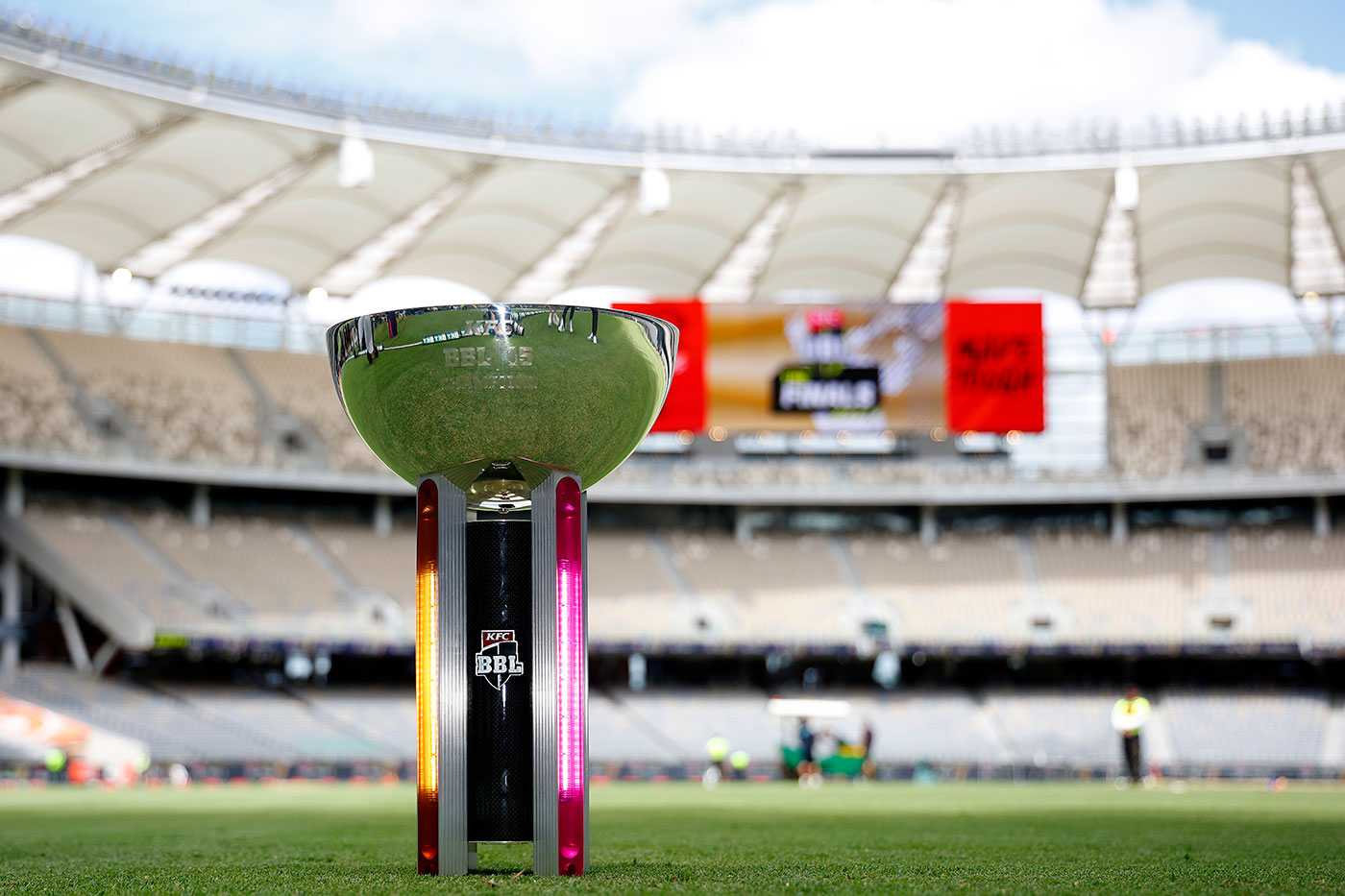
Cricket New South Wales has officially asked Cricket Australia to stop its current plan to bring private owners into the Big Bash League (BBL). The state organization believes the process is moving too quickly and needs more careful study. Queensland Cricket has also shared similar concerns, stating they are not ready to make a final choice on the matter. This pushback from two of the country's biggest cricket states could delay the plan to sell shares of BBL teams to outside investors.
Main Impact
The decision by New South Wales and Queensland to hesitate creates a major hurdle for Cricket Australia’s financial strategy. For months, the national body has been working on a plan to sell parts of the eight BBL teams to private companies or wealthy individuals. The goal was to bring in new money to help the league compete with other global cricket tournaments. However, without the support of the major states, this plan may stall, potentially affecting how much money is available for player salaries and stadium upgrades in the coming years.
Key Details
What Happened
Cricket New South Wales (CNSW) sent a clear message to the national governing body, calling for a "pause" on the privatization process. They argue that the current business model for selling the teams has not been fully explained. CNSW leaders are worried that selling off parts of the league might help in the short term but could hurt the sport's stability over the next ten or twenty years. Queensland Cricket followed this by saying they need more time to look at the facts before they can agree to such a massive change in how Australian cricket is run.
Important Numbers and Facts
The Big Bash League has been fully owned and operated by Cricket Australia and the state associations since it started in 2011. Under the new proposal, Cricket Australia wants to sell a percentage of each team—possibly up to 49 percent—to private investors. This move is expected to bring in hundreds of millions of dollars. However, the states are concerned about who will control the teams and how the profits will be shared between the national body and the local cricket communities that develop young players.
Background and Context
To understand why this is happening, it is important to look at the global cricket world. In recent years, leagues like the Indian Premier League (IPL) have become incredibly wealthy by using private ownership. Other countries, such as South Africa and the United Arab Emirates, have started their own leagues using this same model. Cricket Australia feels it must change to keep up. They want to make sure the BBL can still attract the best players in the world by offering higher pay.
On the other side, the Australian cricket system is built on a "member-owned" model. This means the sport is run for the benefit of the game and the fans, rather than for a company to make a profit. State associations like New South Wales fear that if a private owner takes over a team like the Sydney Sixers or the Sydney Thunder, the focus might shift away from helping local clubs and toward making money for the owner.
Public or Industry Reaction
The reaction within the cricket industry has been mixed. Some former players and commentators believe that private money is the only way to save the BBL from losing its best talent to overseas leagues. They argue that the league has become "stale" and needs the energy that private owners bring. However, many traditional fans and local club leaders are worried. They fear that private owners might try to change team colors, move games to different cities, or raise ticket prices to increase their earnings. The move by New South Wales is seen as a win for those who want to protect the traditional roots of the game.
What This Means Going Forward
Cricket Australia now faces a difficult choice. They can try to push the plan through despite the objections, or they can stop and rewrite the proposal to satisfy the states. If they choose to wait, it might mean the BBL stays under its current ownership for several more seasons. This would give the states more time to see if the league can grow its income through better TV deals and sponsorships instead of selling off pieces of the teams. The next few months of meetings between state CEOs and the national board will decide the future look of professional cricket in Australia.
Final Take
The move by New South Wales and Queensland shows that the future of Australian cricket is at a crossroads. While the need for more money is clear, the desire to keep control of the sport's identity is just as strong. This "pause" is a sign that the people running the game at the local level are not willing to trade long-term control for a quick cash payment. Any path forward will require a balance between making the league profitable and keeping it connected to the communities that support it.
Frequently Asked Questions
What is BBL privatization?
It is a plan to sell shares of Big Bash League teams to private investors or companies instead of having them owned entirely by the cricket governing bodies.
Why does New South Wales want to stop the plan?
They believe the plan is being rushed and are worried that private ownership might hurt the long-term health and control of the sport in Australia.
Will the BBL still happen if it is not privatized?
Yes, the league will continue to run under the current ownership of Cricket Australia and the state associations, though they may have less money to spend on star players.