Summary
The Bank of Spain has updated its economic forecast for 2026, showing a slight increase in expected growth despite global tensions. The central bank now predicts the Spanish economy will grow by 2.3% this year, which is a small improvement over previous estimates. However, officials warned that the ongoing war in Iran creates significant risks, particularly regarding energy costs and inflation. While government support measures are currently helping to protect the economy, a long-term conflict could lead to much slower growth and higher prices for consumers.
Main Impact
The primary impact of this report is the recognition that Spain's economy is currently in a delicate balancing act. On one hand, the country is performing better than expected thanks to strong internal activity and government intervention. On the other hand, the war in Iran has introduced a level of uncertainty that makes long-term planning very difficult. If the conflict continues to drive up the price of gas and oil, the positive growth seen today could quickly disappear, leading to a tighter financial situation for both the government and private citizens.
Key Details
What Happened
The Bank of Spain released its latest quarterly report, which serves as a guide for the country's financial health. The report highlights that the economy is showing resilience, but it also points out that this stability is largely dependent on external factors. The central bank explained that the war in Iran is the main reason why they cannot give a completely certain outlook for the rest of the year. This conflict has the power to change economic trends very quickly by affecting global supply chains and energy markets.
Important Numbers and Facts
The report includes several specific figures that outline the current economic path for Spain:
- 2.3% Growth: This is the new projected growth rate for 2026, up from the 2.2% predicted in December.
- 1.7% Growth: The expected growth rate for 2027, showing a slight slowdown in the coming years.
- The 2% Scenario: Without the government's anti-crisis measures, the bank estimates growth would have only reached 2%.
- The 2.4% Potential: If the war in Iran had not occurred, the economy was on track to grow by 2.4% this year.
- Risk Levels: If energy prices continue to spike, growth could drop to 2.2% or even 1.9% in a worst-case scenario.
Background and Context
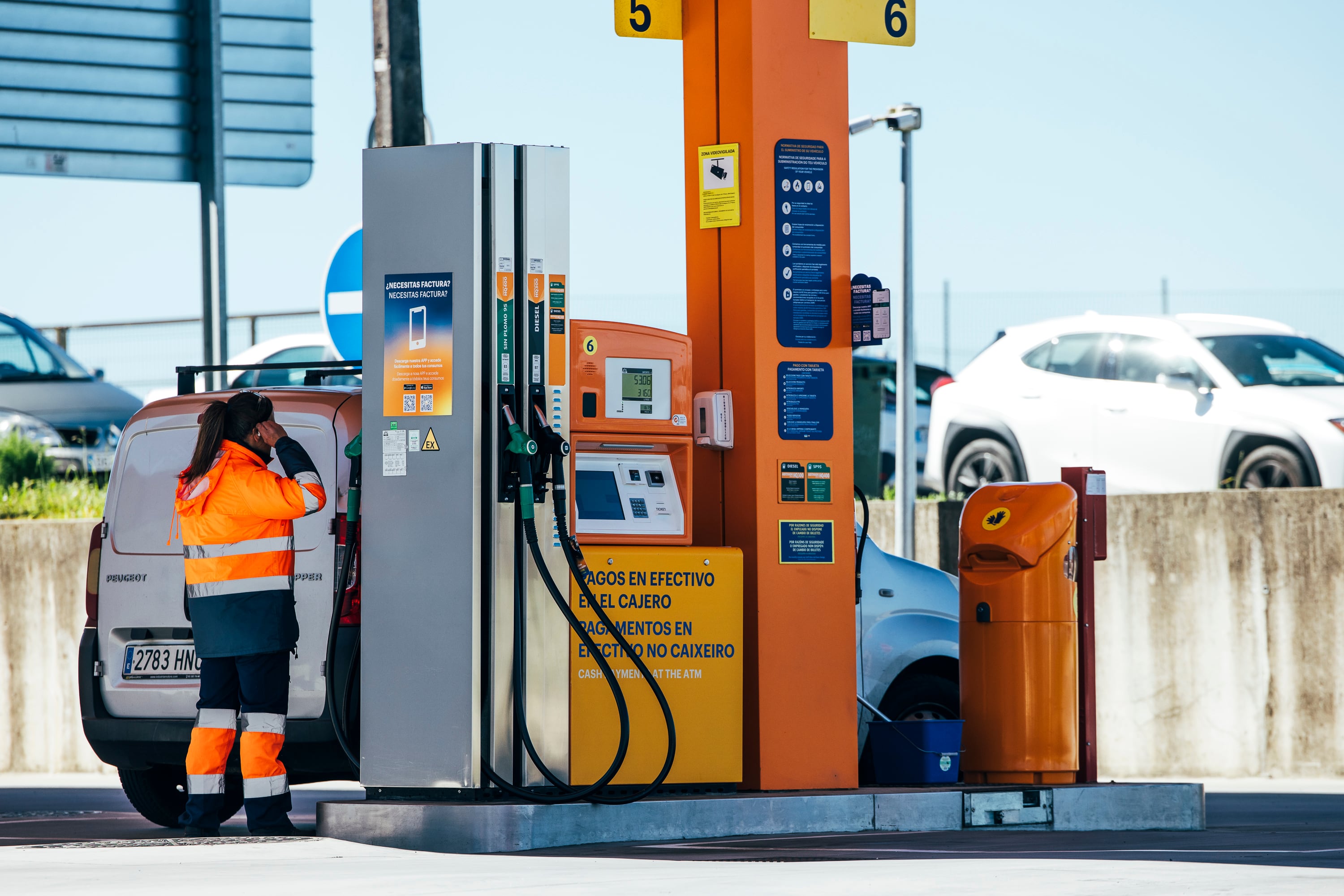
To understand why these numbers matter, it is important to look at how energy prices affect a country like Spain. Spain imports a large portion of its energy, meaning that when global oil and gas prices go up due to war, everything else becomes more expensive. This includes the cost of transporting goods, running factories, and heating homes. When prices rise too fast, people spend less money on other things, which slows down the whole economy.
The war in Iran has become what economists call a "disruptor." It has changed the way markets behave and has forced central banks to rethink their strategies. In December, the outlook was much more stable, but the start of hostilities has made economic forecasting a "high-risk exercise." The government has stepped in with subsidies and tax breaks to keep costs down for families, but the Bank of Spain warns that these measures may not be enough if the war lasts for a long time.
Public or Industry Reaction
Economic experts and industry leaders are watching these updates closely. Many businesses are concerned that the rising cost of energy will eat into their profits, making it harder to hire new workers or invest in new projects. At the same time, consumer groups are worried about "sticky" inflation, where prices stay high even after the initial shock of the war has passed. There is a general feeling of caution across the country, as people wait to see how the international situation develops before making major financial decisions.
What This Means Going Forward
Looking ahead, the next few months will be critical for the Spanish economy. The Bank of Spain will continue to monitor the price of crude oil and natural gas. If these prices stay at their current levels, the 2.3% growth target is achievable. However, if the war in Iran escalates, the government may need to introduce even more support measures to prevent a recession. For the average person, this means that the cost of living is likely to remain high, and interest rates may stay elevated to help control inflation.
Final Take
Spain's economy is currently holding its ground, but it is walking on thin ice. The slight increase in growth projections is a good sign, yet it is overshadowed by the threat of a global energy crisis. The coming year will test the strength of the country's financial policies and its ability to handle external shocks. For now, the message from the central bank is clear: be prepared for a period of high prices and unpredictable changes as the world watches the conflict in the Middle East.
Frequently Asked Questions
Why did the Bank of Spain raise its growth forecast?
The bank raised the forecast to 2.3% because the economy performed better than expected in the early part of the year, partly due to government aid programs that helped businesses and families stay afloat.
How does the war in Iran affect the Spanish economy?
The war causes uncertainty in global markets and leads to higher prices for oil and gas. Since Spain relies on these imports, higher energy costs make it more expensive to produce and transport goods, which can slow down economic growth.
What will happen if energy prices keep rising?
If energy prices continue to climb, the Bank of Spain warns that economic growth could fall as low as 1.9%. This would mean less money moving through the economy and potentially higher costs for everyday items like food and fuel.