
Summary
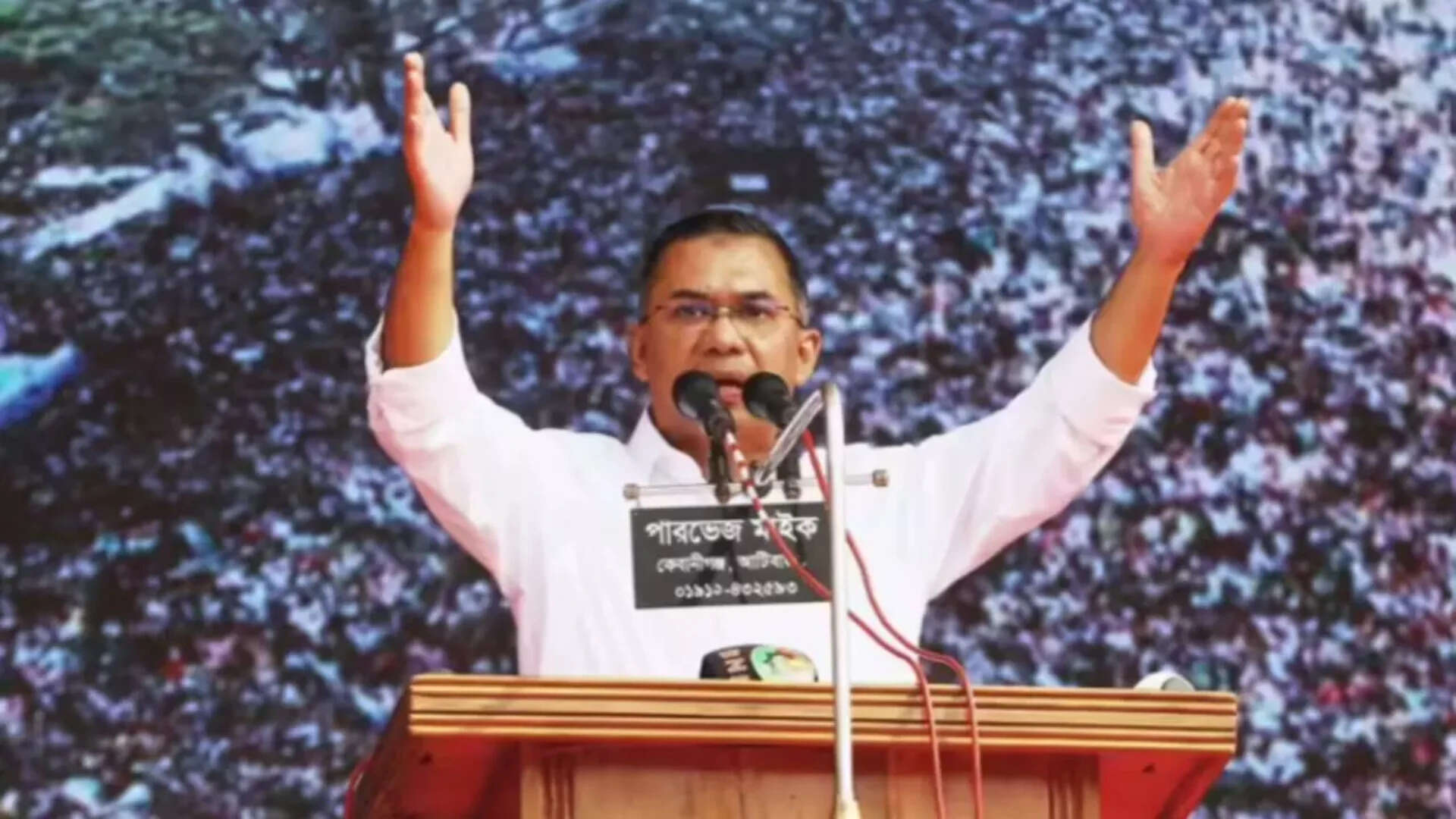
Bangladesh is observing Genocide Day to honor the victims of the 1971 massacre. Prime Minister Tarique Rahman strongly criticized the Pakistani military for the violence that took place during "Operation Searchlight." This day serves as a solemn reminder of the lives lost during the country's struggle for independence. The government continues to call for international recognition of these events as a genocide.
Main Impact
The observance of Genocide Day has a deep impact on the national identity of Bangladesh. By officially marking the start of the 1971 violence, the government ensures that the history of the liberation war remains a central part of public life. This annual event also strengthens the country’s demand for a formal apology from Pakistan. It highlights the ongoing effort to gain global recognition for the suffering of the Bengali people during that period.
Key Details
What Happened
The events being remembered began on the night of March 25, 1971. The Pakistani military launched a sudden and violent crackdown known as Operation Searchlight. The goal of this mission was to crush the growing movement for independence in what was then East Pakistan. Soldiers targeted students at the University of Dhaka, political leaders, and ordinary citizens. This night of extreme violence triggered a nine-month war that eventually led to the creation of Bangladesh as an independent nation.
Important Numbers and Facts
The scale of the 1971 conflict was massive. While the exact number of deaths is still a subject of historical study, the government of Bangladesh maintains that nearly 3 million people were killed during the entire liberation war. On the first night alone, thousands of unarmed civilians were murdered in their homes and on the streets. Additionally, the violence forced approximately 10 million people to flee their homes and seek safety as refugees in neighboring India. This remains one of the largest and fastest displacements of people in the 20th century.
Background and Context
To understand why this day is so significant, it is important to look at the history of the region. After the British left in 1947, the area was divided into India and Pakistan. Pakistan was split into two parts: West Pakistan and East Pakistan. Although they shared a religion, the two sides were very different in terms of language, culture, and politics. Most of the political power and money were kept in West Pakistan, which led to feelings of unfairness in the East.
In 1970, a general election was held, and the Awami League, a party from East Pakistan, won a clear majority. However, the military leaders in the West refused to let them take power. This led to massive protests and a demand for self-rule. Instead of finding a political solution, the military chose to use force, leading to the events of March 25, 1971. This decision changed the course of history and led to a bloody fight for freedom.
Public or Industry Reaction
The reaction within Bangladesh is one of deep respect and mourning. Every year, the nation observes a minute of silence to remember those who died. People light candles and gather at memorials to pay their respects. Human rights groups and historians in Bangladesh continue to work on gathering evidence of the crimes committed during the war. There is a strong public sentiment that the international community has not done enough to recognize the 1971 massacre as a genocide. Many citizens also feel that a formal apology from the Pakistani government is necessary for true healing to occur.
What This Means Going Forward
Moving forward, the government of Bangladesh is focused on educating the younger generation about these historical events. They are building more museums and documenting the stories of survivors to ensure the truth is preserved. On the international stage, Bangladesh will likely continue to lobby the United Nations and other global bodies for official genocide recognition. This is seen as a vital step for justice and for preventing similar tragedies in the future. The relationship between Bangladesh and Pakistan remains complicated by this history, and the demand for accountability will continue to shape their diplomatic interactions.
Final Take
Genocide Day is more than just a date on the calendar; it is a day that defines the spirit of Bangladesh. By remembering the "pre-planned massacre" of 1971, the nation honors the heavy price paid for its sovereignty. Keeping these memories alive ensures that the sacrifices of millions are never forgotten and that the value of peace and freedom is always protected.
Frequently Asked Questions
What is Genocide Day in Bangladesh?
Genocide Day is observed on March 25 to remember the victims of the 1971 massacre carried out by the Pakistani military against the Bengali people.
What was Operation Searchlight?
Operation Searchlight was a military mission launched by Pakistan on March 25, 1971, to stop the independence movement in East Pakistan through force and violence.
Why does Bangladesh want international recognition for these events?
Bangladesh seeks international recognition to ensure the world acknowledges the scale of the 1971 atrocities and to honor the millions of people who lost their lives or were displaced.

