
Summary
The city of Baltimore and the Baltimore Ravens have officially rejected a proposal from Elon Musk’s Boring Company to build a free transportation tunnel. This decision came just hours after Baltimore city officials filed a lawsuit against another one of Musk’s businesses, an artificial intelligence company called xAI. The lawsuit claims that the company’s chatbot has been used to create harmful and inappropriate images without the consent of the people pictured. This sudden shift shows a major change in how Maryland leaders view Musk’s companies compared to a few years ago.
Main Impact
The rejection of the "Ravens Loop" tunnel project marks a turning point for Elon Musk’s business interests in the region. For years, local officials were eager to work with Musk on high-tech transportation ideas. Now, political disagreements and legal concerns have replaced that excitement. The city’s lawsuit against xAI highlights growing fears about how new technology can be used to hurt residents. By walking away from a free project, the Baltimore Ravens and city leaders are sending a clear message that they no longer trust Musk’s brands or his business methods.
Key Details
What Happened
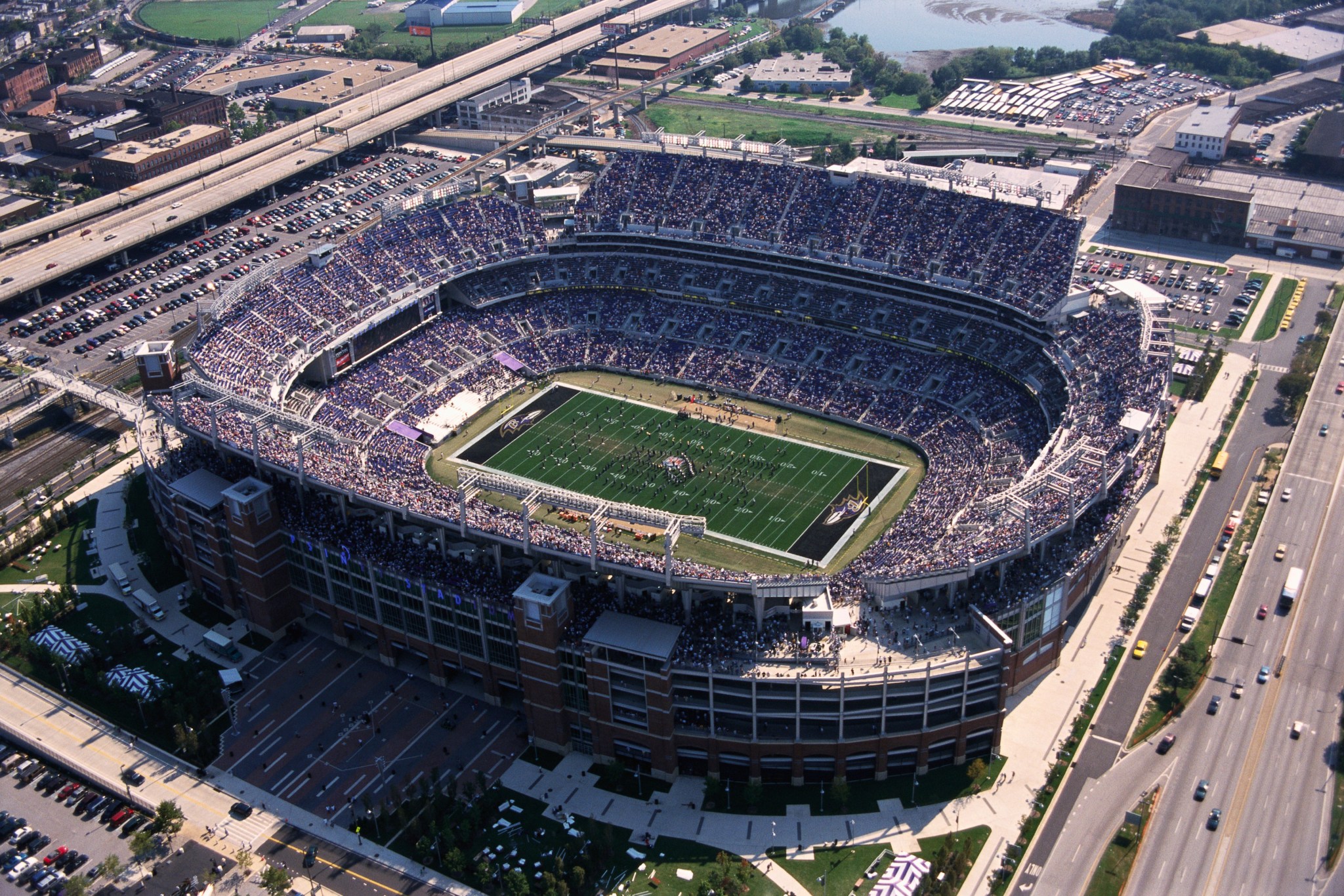
On a Tuesday in late March, the Boring Company began talks with Baltimore officials about a one-mile tunnel near the stadium where the Ravens play football. The project was offered for free as part of a national contest. However, within nine hours of the announcement, Baltimore’s mayor and city council took legal action against xAI. They alleged that the company’s chatbot, Grok, was flooding the internet with fake, explicit images of real people, including children. By Wednesday, the Ravens announced they would no longer pursue the tunnel project after talking with their partners in the local government.
Important Numbers and Facts
The proposed tunnel was intended to be 12 feet wide and about one mile long. It was meant to help move some of the 70,000 fans who visit M&T Bank Stadium for games. This project was one of over 480 ideas sent to the Boring Company during a "tunnel vision challenge." On the legal side, Maryland’s Attorney General and 33 other state attorneys had already warned xAI in January to fix its software. Additionally, the political tension is high because Musk recently donated $300 million to a presidential campaign and took a role in a new government department that aims to cut federal jobs.
Background and Context
A decade ago, Maryland was very welcoming to Elon Musk. In 2017, the state’s former governor supported a massive plan to build a 35-mile tunnel system between Baltimore and Washington, D.C. The goal was to have cars travel at 150 miles per hour underground. However, experts said the plan was not realistic, and the project eventually stopped. Since then, the political environment in Maryland has changed. The current governor, Wes Moore, and Baltimore Mayor Brandon Scott have been vocal critics of Musk’s recent political activities and his treatment of workers.
Public or Industry Reaction
Mayor Scott made it clear that he did not support the new tunnel project, stating publicly that it was not something he would have approved. The Baltimore Ravens released a short statement saying they decided to stop the process after talking with "public partners." On social media, the Boring Company confirmed the project was canceled and suggested they might look for a different city to work with. Meanwhile, legal experts are watching the xAI lawsuit closely, as it focuses on the dangers of "deepfakes," which are realistic but fake images created by computers.
What This Means Going Forward
This situation shows that being a famous billionaire does not always make it easy to get business deals done. Musk’s companies are now facing more rules and legal challenges in several states. In Nevada, for example, officials are looking into safety and environmental problems at other Boring Company sites. For Baltimore, the focus has shifted from building futuristic tunnels to protecting citizens from the risks of artificial intelligence. Other cities may follow Baltimore’s lead by looking more closely at the risks of working with Musk’s various businesses.
Final Take
The days of Baltimore giving Elon Musk a free pass are over. While a free tunnel sounds like a great deal for a city, local leaders have decided that the legal and social risks are too high. This move proves that local politics and safety concerns can stop even the most famous tech companies in their tracks. The focus is now on how these companies handle the data and privacy of the people they serve.
Frequently Asked Questions
Why did Baltimore sue Elon Musk’s AI company?
The city filed a lawsuit because it claims the xAI chatbot, Grok, was used to create and share harmful, explicit, and fake images of people without their permission. The city wants to protect its residents from these deceptive practices.
What was the Ravens Loop project?
It was a proposed one-mile underground tunnel near the Baltimore Ravens' stadium. The Boring Company offered to build it for free to help fans move around the area more easily during busy game days.
Is the Boring Company still working in Maryland?
No, the major projects in Maryland have been canceled. The high-speed tunnel to Washington, D.C., was stopped years ago, and the recent stadium tunnel project was rejected by both the team and the city.



