
Summary
A major explosion has rocked a primary oil refinery in Bahrain following a missile strike launched from Iran. The attack targeted critical energy infrastructure, causing massive fires and an immediate halt to operations at the site. This event marks a significant escalation in regional tensions and has raised urgent concerns about the safety of global energy supplies. Emergency teams are currently working to contain the blaze while security forces assess the total damage to the facility.
Main Impact
The immediate impact of this strike is a sharp disruption in Bahrain’s oil processing capabilities. As a key player in the regional energy market, any damage to Bahrain's refining capacity affects the flow of fuel to international markets. Beyond the economic damage, the attack represents a direct military confrontation that could draw in other regional powers and international allies. Global oil prices saw a quick jump following the news, as traders fear further instability in the Middle East.
Key Details
What Happened
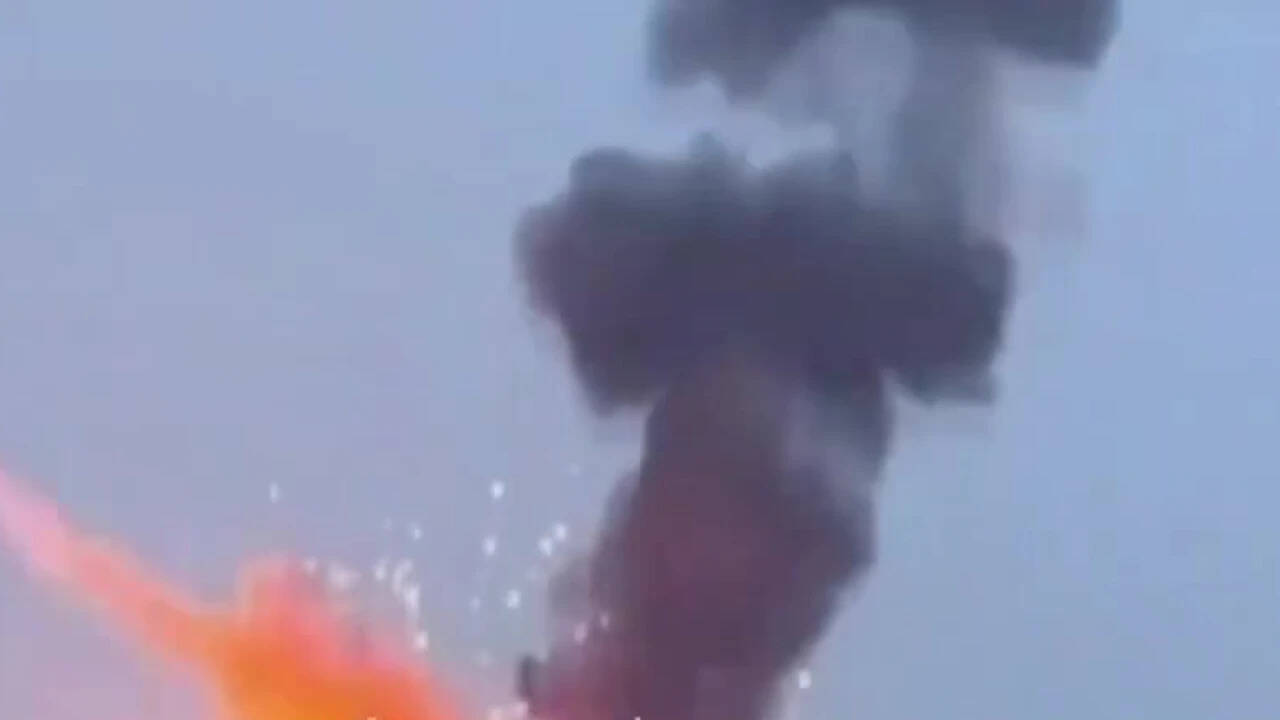
Early this morning, several missiles were detected entering Bahraini airspace. Local reports and video footage show a series of bright flashes followed by a massive explosion at the refinery site. The facility, which is central to the country's economy, was quickly engulfed in thick black smoke. Witnesses reported hearing loud blasts that could be felt several miles away. Initial reports from security officials confirm that the missiles originated from Iranian territory, marking a rare and direct hit on Bahraini soil.
Important Numbers and Facts
The refinery involved is one of the oldest and most important in the region, typically processing over 260,000 barrels of crude oil every day. While official casualty counts are still being verified, early reports suggest that several workers were injured during the initial blast. In the hours following the attack, Brent crude oil prices rose by more than 3%, reflecting the market's anxiety. Bahrain’s energy sector accounts for a large portion of its government revenue, making this facility a vital part of the nation’s financial health.
Background and Context
To understand why this matters, it is important to look at the relationship between Bahrain and Iran. The two countries have had a difficult history for many years. Bahrain is a close ally of Saudi Arabia and the United States. It also hosts the United States Navy’s 5th Fleet, which is responsible for patrolling the waters of the Persian Gulf. Iran has often expressed its disapproval of this military presence. An oil refinery is a factory that turns raw oil from the ground into usable products like gasoline and jet fuel. By hitting this site, the attackers are targeting the heart of Bahrain’s economy and its ability to provide fuel to the world.
Public or Industry Reaction
The international community has reacted with deep concern. Leaders from neighboring Gulf countries have condemned the attack, calling it a threat to regional peace. The United States government issued a statement promising to support Bahrain’s defense and monitor the situation closely. Within the oil industry, experts are worried that this could lead to a series of "tit-for-tat" attacks on energy sites across the region. Shipping companies that move oil through the nearby sea lanes are also on high alert, fearing that the conflict could spread to the water and disrupt trade routes.
What This Means Going Forward
In the coming days, the focus will be on two things: repairing the damage and preventing another attack. Bahrain will likely increase its air defense systems around all major industrial sites. There is also a high risk of military retaliation, which could lead to a wider conflict. If the refinery stays offline for a long time, Bahrain may need to import fuel from its neighbors to meet local needs. For the rest of the world, this event serves as a reminder of how quickly regional disputes can affect the price of gas at the pump. Security at other oil facilities in the Middle East is being tightened as a precaution.
Final Take
This missile strike is more than just an attack on a building; it is a direct challenge to the stability of the global energy market. The explosion at Bahrain’s refinery shows how vulnerable critical infrastructure can be during times of political unrest. As the smoke clears, the world will be watching to see how Bahrain and its allies choose to respond. The path taken in the next few days will determine if this remains an isolated incident or becomes the start of a much larger and more dangerous confrontation.
Frequently Asked Questions
Why was the oil refinery targeted?
The refinery is the most important part of Bahrain's economy. By attacking it, the goal was likely to cause economic damage and show that key infrastructure is not safe from long-range missiles.
Will this cause gas prices to go up?
Yes, oil prices have already started to rise. When a major refinery is damaged, there is less fuel available, which usually leads to higher prices for consumers around the world.
What is the role of the US in this situation?
The US is a major security partner for Bahrain. Because the US Navy has a large base there, any attack on Bahrain is seen as a threat to American interests in the region, which could lead to US military involvement.

