
Summary
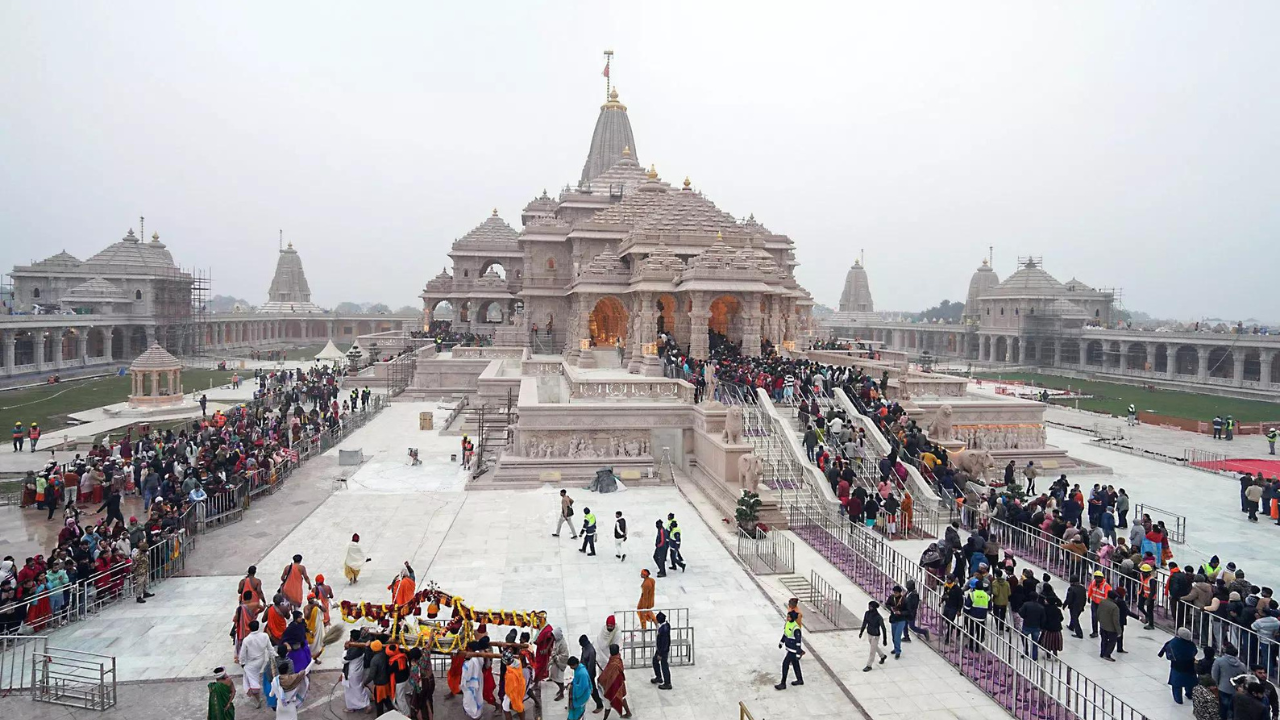
The Ram Janmabhoomi complex in Ayodhya is entering a new phase of its development as officials begin preparations to hoist flags on six sub-temples. This follows the successful placement of the flag on the main temple’s tall spire. These ceremonies mark an important step in finishing the religious site and making it ready for full traditional use. The events will take place over the next two weeks, involving a small group of experts and religious leaders.
Main Impact
Hoisting the flags, known as the Dhwaj, is a major milestone in temple construction. It shows that the buildings are moving from being construction projects to active places of worship. While the main temple has been the focus of global attention, these six sub-temples are essential to the spiritual layout of the complex. By completing these spires, the temple trust is ensuring that every part of the site is treated with the same level of detail and religious respect as the main structure.
Key Details
What Happened
Engineers and temple officials have started the technical and ritual work needed to place flags on the peaks of six smaller temples within the complex. These sub-temples are located around the main temple area. The process is being done carefully to ensure the flag poles are secure and follow traditional rules. Unlike the massive public event for the main temple, these ceremonies are designed to be quiet and focused on the work at hand.
Important Numbers and Facts
The schedule for these events is divided into different stages. Five of the flag hoisting ceremonies will happen between March 22 and March 31. The most significant individual ceremony will take place on April 2, which coincides with Hanuman Jayanti. This specific date was chosen for the flag hoisting at the Hanuman temple within the complex. The gatherings will remain small, consisting mainly of seers, engineers, and the workers who built the structures.
Background and Context
In Hindu temple building, the flag on top of the spire is more than just a decoration. It is a symbol of the deity’s presence and can be seen from a long distance. It tells devotees that the temple is active. The Ram Janmabhoomi complex is designed to include several smaller shrines dedicated to other important figures and gods. This follows a traditional style of temple planning where the main deity is surrounded by other related shrines.
The work in Ayodhya has been moving steadily since the grand opening earlier this year. While thousands of people visit every day, construction teams are still working on the outer parts of the complex. Adding the flags to these six sub-temples is part of the plan to finish the first major layer of the project. It helps complete the skyline of the temple grounds, making the entire area look unified and finished.
Public or Industry Reaction
Religious leaders in Ayodhya have welcomed the news, noting that the Hanuman temple ceremony on April 2 is particularly special. Hanuman is seen as the protector of the site, so placing his flag on his birthday is considered a very positive sign. Engineers working on the project have also noted the technical success of the flag poles. These poles must be strong enough to handle high winds and heavy rain while remaining perfectly straight on the stone spires.
Devotees who visit the site have expressed excitement about seeing the complex grow. Many feel that each new flag represents another step toward the full vision of the temple being realized. Even though the public cannot attend these specific small ceremonies, the sight of the new flags will be visible to everyone visiting the grounds shortly after.
What This Means Going Forward
Once these six flags are in place, the focus will shift to the next stages of construction. This includes finishing the intricate stone carvings on the outer walls and completing the walkways for pilgrims. The phased approach to hoisting the flags allows the temple trust to manage the site without stopping the flow of daily visitors. It also ensures that each sub-temple receives the proper religious dedication it requires.
In the coming months, more parts of the complex will likely be finished. The successful installation of these flags serves as a test for the remaining structures that are still under construction. It shows that the project is moving forward on time and according to the planned religious calendar.
Final Take
The addition of flags to the six sub-temples is a quiet but vital part of the work at Ram Janmabhoomi. It completes the spiritual look of the site and honors the traditions of temple building. As each spire receives its flag, the complex moves closer to being the fully finished religious center that millions of people have waited to see.
Frequently Asked Questions
Why are the flags being hoisted now?
The flags are being hoisted because the construction of the spires on these six sub-temples is now complete. It is a traditional way to signal that a temple is ready for worship.
Who is allowed to attend these ceremonies?
The ceremonies are kept small for safety and tradition. Only the engineers, construction workers, and a few religious leaders or seers will be present for the actual hoisting.
What is special about the April 2 ceremony?
April 2 is Hanuman Jayanti, the birthday of Lord Hanuman. The flag for the Hanuman temple within the complex will be raised on this day to mark the special occasion.



