Summary
The Middle East has seen a massive shift in power over the last two and a half years. Following the October 7, 2023, attacks by Hamas, Israel and the United States began a long-term campaign to weaken Iran and its allied groups. This effort reached a peak this past weekend with a series of major strikes that killed Iran’s Supreme Leader, Ayatollah Ali Khamenei. These events have broken the strength of Iran’s proxy network and changed the political balance of the entire region.
Main Impact
The most significant result of this conflict is the rapid loss of Iranian influence. For years, Iran used a network of armed groups, known as the "Axis of Resistance," to project power and threaten its enemies. However, constant military pressure has now left these groups struggling to survive. The recent death of Iran’s top leader and the destruction of key military sites show that the old rules of the region no longer apply. Israel and the U.S. have moved from small skirmishes to a direct and devastating confrontation with the Iranian government itself.
Key Details
What Happened
The current situation began after Hamas militants attacked Israel on October 7, 2023, killing 1,200 people. Israel responded with a massive military operation in Gaza. Soon, the fighting spread to other areas where Iran-backed groups operate. In Lebanon, Israel fought a full-scale war against Hezbollah, killing its long-time leader and destroying its weapon supplies. In Syria, the fall of the Assad government cut off the main path Iran used to send weapons to its allies. Finally, this weekend, the U.S. and Israel launched direct attacks on Iran, causing widespread damage and killing the country's highest official.
Important Numbers and Facts
The human and military cost of this period has been enormous. In Gaza, more than 72,000 Palestinians have died during the conflict. Hezbollah, which once claimed to have 100,000 fighters and 150,000 rockets, has seen its leadership wiped out and its arsenal heavily reduced. In June 2024, a 12-day air campaign by Israel targeted Iran’s nuclear facilities and defense headquarters. The most recent strikes this weekend involved a massive wave of aircraft and missiles that hit the heart of the Iranian government.
Background and Context
For decades, Iran relied on "proxy" groups to fight its battles. By supporting groups like Hamas in Gaza, Hezbollah in Lebanon, and the Houthis in Yemen, Iran could attack Israel and the U.S. without getting into a direct war. This strategy kept the conflict at a steady, manageable level for a long time. However, the October 7 attacks were so violent that they forced Israel to change its strategy completely. Instead of just managing the threat, Israel decided to remove it entirely by attacking both the proxy groups and their sponsor, Iran.
Public or Industry Reaction
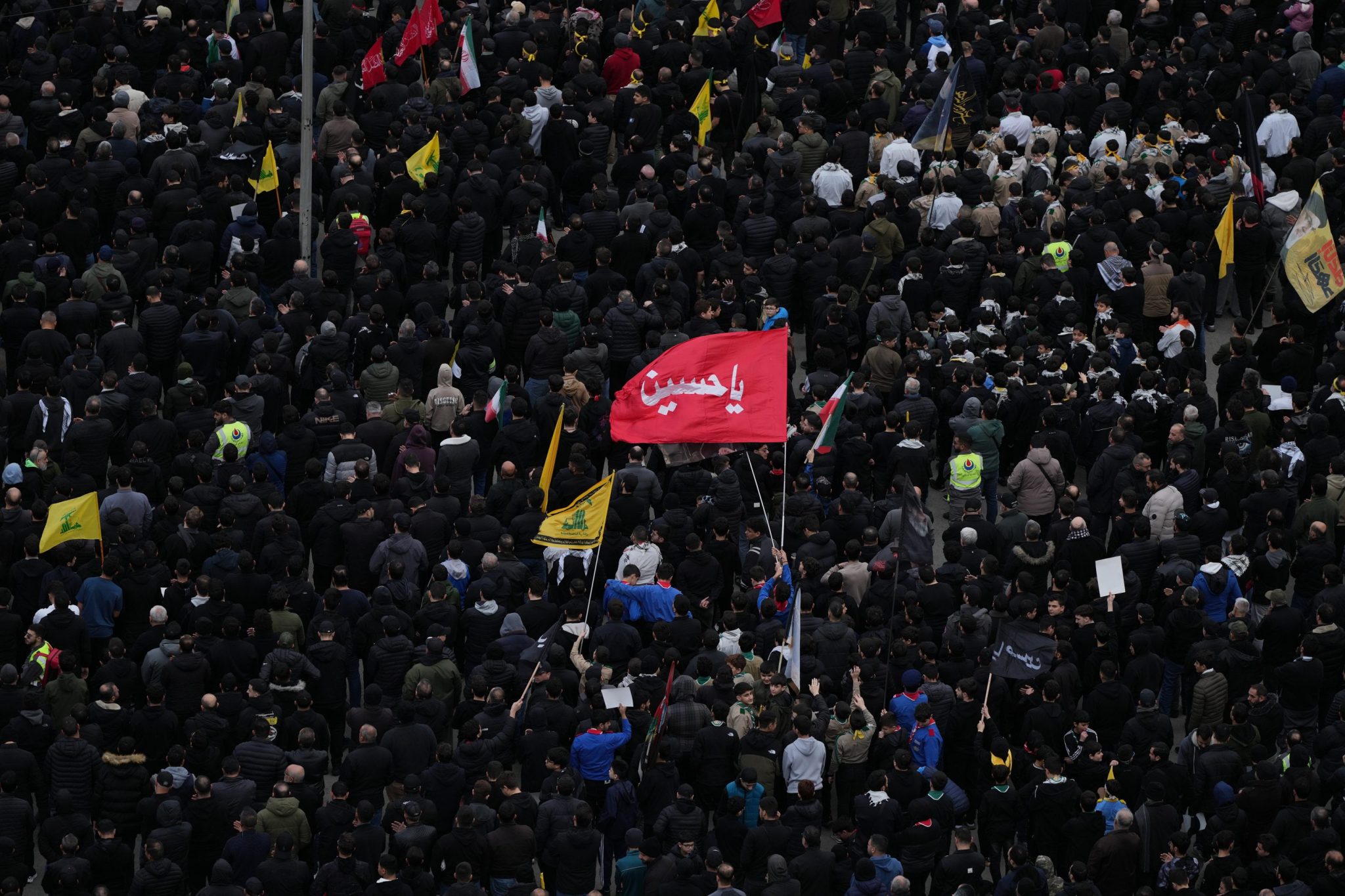
Experts say the region is in a "transformative moment" that is both bloody and unpredictable. Many analysts believe that Iran’s allies are now more worried about their own survival than they are about helping Tehran. While Hezbollah fired missiles into Israel on Monday to show support for Iran, they are under heavy pressure from the Lebanese government to stay out of the fight. In Iraq, some militias are planning to attack U.S. bases, but it is unclear if they have the strength to make a major impact. Most of these groups are now making decisions based on their own local needs rather than following orders from Iran.
What This Means Going Forward
The future of the Middle East is now very uncertain. With the death of Ayatollah Khamenei, Iran faces a massive leadership crisis at the same time its military is being hammered. The "Axis of Resistance" is no longer a unified force. This could lead to a period of even more violence as different groups fight for control, or it could lead to a new era where Iran has much less power to interfere in other countries. The risk of a wider war remains high, especially as Israel continues to occupy parts of southern Lebanon and carry out daily strikes to prevent groups from rebuilding.
Final Take
The events of the last two years have shown that the old way of doing things in the Middle East is over. By targeting the head of the network in Tehran, Israel and the U.S. have signaled that they will no longer tolerate proxy warfare. The fall of Iran’s top leadership marks the end of an era and the beginning of a much more direct and dangerous phase of this long conflict.
Frequently Asked Questions
Who was killed in the recent attacks on Iran?
Iran’s Supreme Leader, Ayatollah Ali Khamenei, was killed during a wave of attacks launched by the United States and Israel over the weekend.
What is the "Axis of Resistance"?
It is a network of armed groups and governments, including Hezbollah, Hamas, and the Houthis, that are supported by Iran to oppose Israel and Western influence in the Middle East.
Why is Hezbollah weaker than it was before?
Hezbollah has lost its top leaders, much of its rocket supply, and its main weapon supply route through Syria. It is also facing heavy military pressure from Israel in southern Lebanon.