Summary
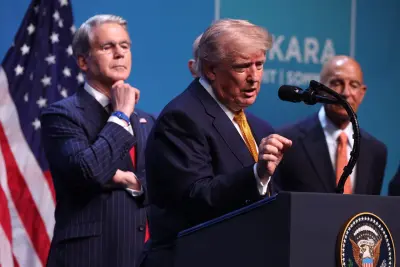
Iranian Supreme Leader Ayatollah Ali Khamenei has been killed following a massive military operation by the United States and Israel. President Donald Trump announced the death on Saturday, describing it as a historic moment for the people of Iran to reclaim their nation. The joint aerial attack targeted several high-level military and government locations across the country. This event has caused immediate chaos in the region, with Iran launching retaliatory strikes against U.S. bases and Israeli territory.
Main Impact
The death of Khamenei removes the most powerful figure in Iran’s government, a man who held total control over the country's policies and military for decades. Because he did not have a named successor, his death creates a power vacuum that could lead to internal fighting or a total collapse of the current government. The strike also signals a major escalation in U.S. foreign policy, moving from economic pressure to direct military action against top foreign leaders. This has put the entire Middle East on high alert as military exchanges continue.
Key Details
What Happened
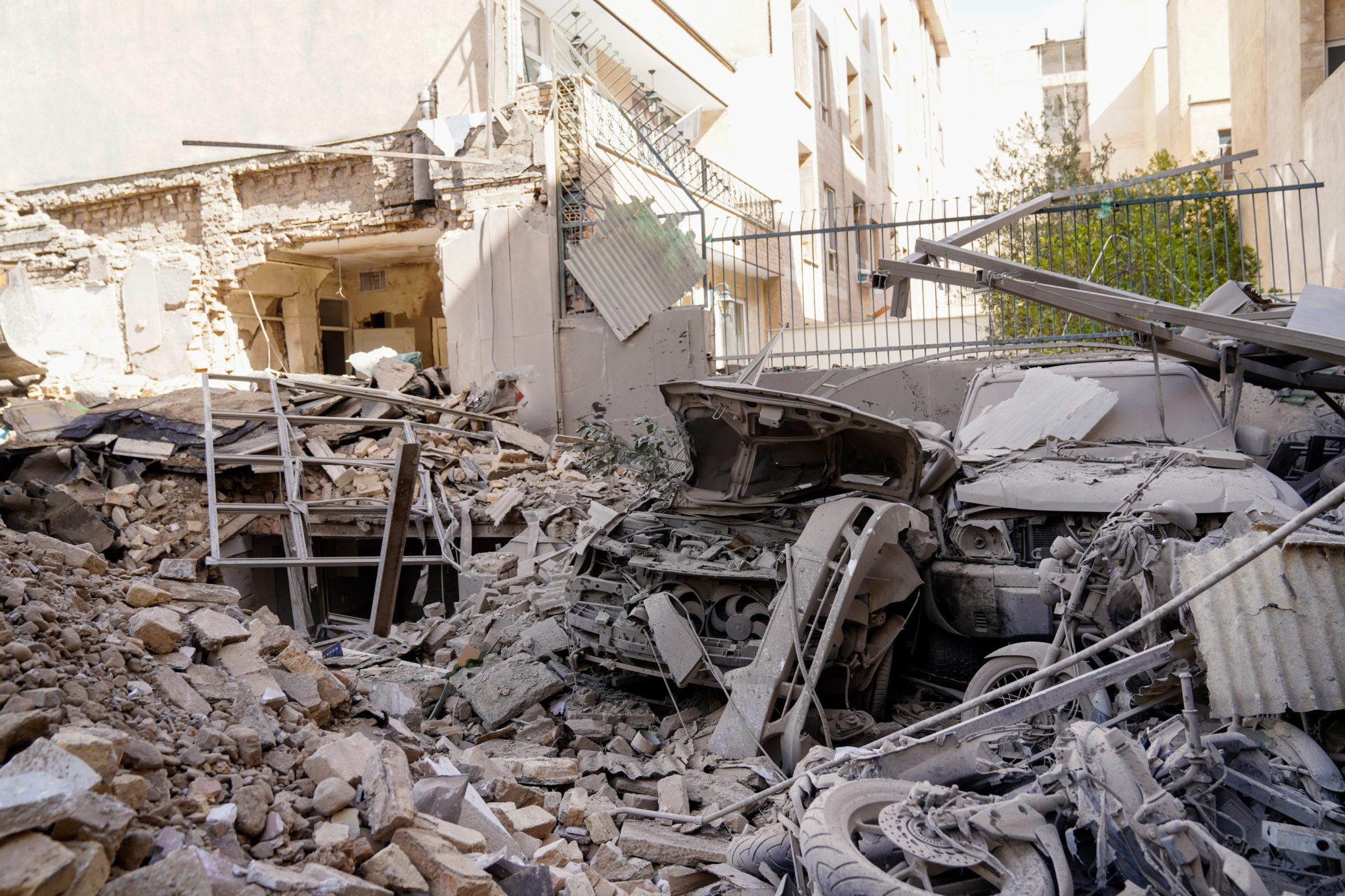
On Saturday morning, U.S. and Israeli forces launched a coordinated series of air strikes using what President Trump described as "heavy and pinpoint bombing." The operation specifically targeted a compound in Tehran where top Iranian officials were meeting. Israeli Prime Minister Benjamin Netanyahu confirmed that intelligence showed Khamenei was at the site during the attack. Shortly after, Israeli officials verified his death. The U.S. military reported that the operation used advanced tracking systems to ensure the targets were hit accurately.
Important Numbers and Facts
The human cost of the strikes has been high. Iranian state media reported that at least 201 people were killed and more than 700 were injured in the first wave of attacks. In one specific incident, a girls' school in southern Iran was hit, resulting in 85 deaths. On the military side, Israel claimed to have killed several other high-ranking officials, including the commander of the Revolutionary Guard and the defense minister. In response, Iran fired hundreds of drones and missiles. While most were intercepted, 89 people in Israel were treated for minor injuries, and one person was killed by falling debris in the United Arab Emirates.
Background and Context
Ayatollah Ali Khamenei had been the Supreme Leader of Iran since 1989. He took over after the death of the leader of the 1979 Islamic Revolution. In Iran's system of government, the Supreme Leader has the final word on everything, including the military and the economy. For years, the U.S. and Iran have been in a standoff over Iran's nuclear program and its support for various armed groups in the region. Recently, Iran has also faced internal trouble, with many citizens protesting against the government due to a failing economy and strict social rules. These strikes happened just after a round of nuclear talks failed to reach an agreement.
Public or Industry Reaction
President Trump spoke strongly about the event, calling Khamenei an "evil" figure and telling the Iranian public that this is their best chance in generations to change their government. In the U.S., the reaction was split. While some praised the move, members of the Democratic party criticized the president for taking such a major military action without asking Congress for permission first. Internationally, the United Nations Security Council scheduled an emergency meeting to prevent the situation from turning into a full-scale regional war. The Iranian government called the attack an illegal act of war and vowed to continue fighting.
What This Means Going Forward
The situation remains very dangerous. President Trump has stated that the bombing will continue for at least a week to destroy Iran's military capabilities. There is a high risk that the conflict could block the Strait of Hormuz, a narrow waterway where a third of the world's sea-traded oil passes. If this happens, gas prices could rise significantly across the globe. Additionally, while the U.S. hopes for a peaceful transition of power in Iran, there is no guarantee that a new government will be friendlier to the West. The Iranian military remains a powerful force and may try to keep control of the country through force.
Final Take
The death of Ayatollah Ali Khamenei is a turning point that will change the Middle East forever. By removing the head of the Iranian government, the U.S. and Israel have taken a massive gamble that could either lead to a new era of freedom for Iranians or a long and bloody war. The world is now watching closely to see how the Iranian people respond and whether the region can avoid a larger disaster.
Frequently Asked Questions
Who was Ayatollah Ali Khamenei?
He was the Supreme Leader of Iran and the highest-ranking political and religious authority in the country. He had been in power since 1989.
Why did the U.S. and Israel attack now?
The attack followed the failure of nuclear talks and years of rising tension. The U.S. stated the goal was to stop Iran's nuclear program and remove leaders they consider dangerous.
Is there a war starting in the Middle East?
While a full-scale war has not been officially declared, there is heavy fighting. Iran has launched missiles at several countries, and the U.S. has promised to continue its bombing campaign.