Summary
The National Anti-Doping Agency (NADA) has updated its list of athletes who must follow strict drug-testing rules. Indian cricketers Axar Patel and Abhishek Sharma are the latest names added to the Registered Testing Pool (RTP) during the 2026 IPL season. This move means both players must now provide regular updates about their location to allow for surprise testing. Being on this list is a standard part of professional sports to ensure all players compete fairly and follow clean sport guidelines.
Main Impact
The biggest change for Axar Patel and Abhishek Sharma is the requirement to share their "whereabouts" with health officials. This is not just a suggestion; it is a mandatory rule. They must tell NADA exactly where they will be for at least one hour every single day. This allows testing officers to show up unannounced to collect samples. If a player fails to provide this information or is not where they said they would be three times in one year, they can face a long ban from cricket, even if they have never used a banned substance.
Key Details
What Happened
During the middle of the 2026 Indian Premier League, NADA revised its monitoring list. Axar Patel, who leads the Delhi Capitals, and Abhishek Sharma, the vice-captain of Sunrisers Hyderabad, were officially included. They take the spots previously held by Shreyas Iyer and Smriti Mandhana. This change shows that NADA is constantly shifting its focus to different top-performing athletes to maintain a high level of oversight across the sport.
Important Numbers and Facts
The updated Registered Testing Pool now includes a total of 348 athletes from many different sports. Out of these, 14 are cricketers. While the list includes many famous names, cricket is not the most monitored sport. Athletics has the highest number of athletes on the list, with 134 people being tracked. This is an increase from the 118 track and field athletes who were on the previous list.
Other cricketers who remain on the list include:
- Shubman Gill
- Hardik Pandya
- Rishabh Pant
- Jasprit Bumrah
- Yashasvi Jaiswal
- KL Rahul
- Arshdeep Singh
- Tilak Varma
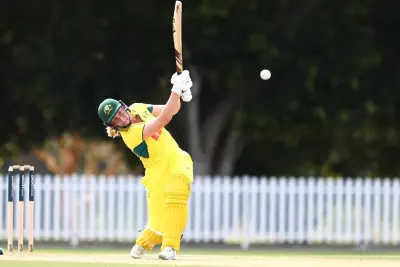
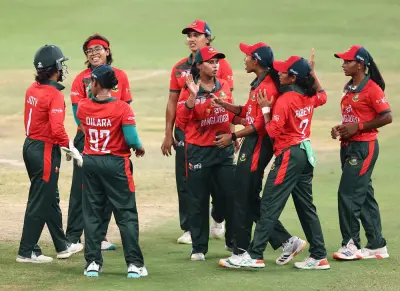
From the women’s national team, players like Deepti Sharma, Shafali Verma, and Renuka Singh Thakur are also being closely monitored by the agency.
Background and Context
Anti-doping agencies like NADA work to keep sports clean by making sure no one uses illegal drugs to improve their performance. The Registered Testing Pool is a tool used worldwide by sports organizations. It focuses on top-tier athletes because they are the most visible figures in their fields. By testing them "out-of-competition"—meaning when they are at home or practicing, not just on match days—agencies can ensure that players are staying clean all year round.
In India, NADA follows the rules set by the World Anti-Doping Agency (WADA). For a cricketer, being added to this pool is often a sign that they have reached a high level of success and importance in the game. It is a routine part of a professional athlete's life, though it requires a lot of discipline to manage the daily paperwork and reporting.
Public or Industry Reaction
The news has been met with interest from fans and experts, mainly because both players are currently busy with the IPL. However, the cricket community views this as a normal administrative step. There is no suggestion that either player has done anything wrong. Instead, the reaction focuses on the responsibility that comes with being a top athlete. Sports officials have noted that as cricket grows globally, the pressure to maintain strict anti-doping standards will only increase. Most experts agree that having high-profile players like Axar and Abhishek on the list helps set a good example for younger players entering the league.
What This Means Going Forward
For Axar Patel and Abhishek Sharma, the next few months will involve more than just focusing on their batting and bowling. They will need to be very careful with their schedules. During the IPL, teams travel frequently between different cities. The players must ensure that their location data is updated every time they move to a new hotel or city. If they forget to update the system and a testing officer arrives at the wrong place, it counts as a "missed test."
This development also shows that NADA is becoming more active in monitoring cricketers during major tournaments. We may see more players added or removed from this list as their form and roles within their teams change. For the fans, it provides confidence that the game they are watching is being played fairly and under strict supervision.
Final Take
The inclusion of Axar Patel and Abhishek Sharma in the anti-doping testing pool is a reminder of the high standards required in modern cricket. While it adds an extra layer of responsibility for the players, it is a necessary step to protect the integrity of the sport. As the IPL continues, these athletes will show that they can handle both the pressure of the game and the requirements of being a professional role model.
Frequently Asked Questions
What is the Registered Testing Pool (RTP)?
The RTP is a list of top athletes who must provide their daily location details to anti-doping officials. This allows the agency to conduct surprise drug tests at any time, even when the athlete is not competing in a match.
Why were Axar Patel and Abhishek Sharma added to the list?
They were added as part of a routine update by NADA. As top players and leaders in their IPL teams, they are considered high-priority athletes for monitoring. They replaced Shreyas Iyer and Smriti Mandhana on the current list.
What happens if a player misses a drug test?
If an athlete fails to provide their location or is not available when a testing officer arrives, it is called a "whereabouts failure." If an athlete has three of these failures within a 12-month period, they can be suspended from sports for a long time.