Summary
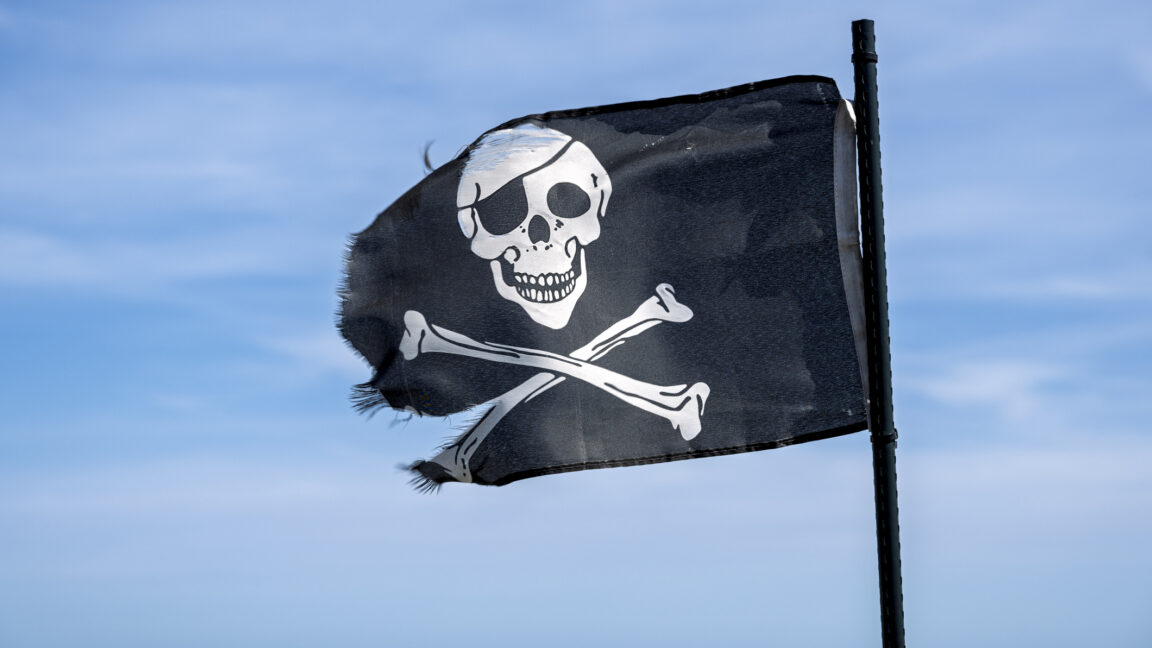
Meta is currently facing a major legal battle over how it collected data to train its Artificial Intelligence (AI) systems. The company is accused of using torrents to download more than 80 terabytes of pirated books and other written works. Authors and media companies argue that by using these torrents, Meta helped spread stolen content. Meta is now trying to use a recent Supreme Court decision to avoid being held responsible for these copyright violations.
Main Impact
The result of this case could change the way AI companies operate. For years, tech giants have scraped the internet for data, often ignoring copyright rules. If the court rules against Meta, it could mean that AI companies must pay billions of dollars to creators. It also sets a standard for whether using file-sharing software like BitTorrent makes a company legally responsible for piracy, even if they claim they were only trying to download data for research.
Key Details
What Happened
Meta needed a massive amount of text to teach its AI how to speak and write like a human. To get this data, the company allegedly used BitTorrent to download a collection of files that included thousands of pirated books. In the world of torrenting, when a person downloads a file, their computer often automatically uploads pieces of that file to other people. This is called "seeding." Because Meta’s computers were likely seeding these pirated books while downloading them, authors argue that Meta was helping to distribute stolen property.
Important Numbers and Facts
The scale of the data involved is enormous. Reports show that Meta downloaded over 81.7 terabytes of data. This collection included a famous dataset of pirated books. Two main legal actions are moving forward. One is a class-action lawsuit from a group of authors, and the other is a case filed by Entrepreneur Media. Meta recently filed a statement in court pointing to a Supreme Court ruling involving Sony. That ruling stated that internet service providers are not responsible for the piracy committed by their users. Meta wants the court to apply that same logic to its own actions.
Background and Context
To understand why this matters, you have to understand how AI is built. AI models like Llama need to read millions of pages of text to learn patterns. While there is a lot of free text on the internet, books are much better for training because they are well-written and follow clear logic. However, most books are protected by copyright. Buying the rights to millions of books would be very expensive. This is why many AI companies have been accused of taking shortcuts by using pirated databases.
The legal fight centers on two types of copyright claims. The first is "direct infringement," which means Meta stole the work itself. The second is "contributory infringement," which means Meta helped others steal the work. The second claim is often easier to prove in court because the lawyers only have to show that Meta’s actions made piracy easier for everyone else using the torrent network.
Public or Industry Reaction
Authors are understandably upset. They argue that their life's work is being used to build a product that might eventually replace them, all without them getting paid a cent. On the other side, tech companies argue that using data for AI training should be considered "fair use." They believe that because the AI is creating something new, it should not have to pay for the data it reads. Meta’s lawyers have even tried to use technical excuses, claiming the company was just a "leech" on the network and did not intend to share files with others.
What This Means Going Forward
If Meta wins this argument using the Supreme Court's recent ruling, it could create a shield for all AI companies. They could continue using torrents and pirated sites to gather data without fear of being sued for helping pirates. However, if the authors win, it will force a massive shift in the AI industry. Companies would have to be much more careful about where they get their data. They might be forced to delete their current AI models and start over using only legal, licensed content. This would be a huge setback for the speed of AI development but a big win for writers and artists.
Final Take
This legal battle is about more than just a few downloaded books. It is about who owns the information used to build the future of technology. Meta is trying to use a legal loophole intended for internet providers to protect its own data-gathering habits. Whether the court views Meta as a neutral tool or an active participant in piracy will decide the fate of copyright in the age of artificial intelligence. Creators are watching closely, hoping the law will finally protect their work from being used for free by the world's richest companies.
Frequently Asked Questions
What is Meta accused of doing?
Meta is accused of using BitTorrent to download over 80 terabytes of pirated books to train its AI models. By doing this, they allegedly helped share these stolen files with other people on the internet.
Why is the Supreme Court ruling important?
A recent ruling said that internet providers are not responsible for piracy on their networks. Meta is trying to use this decision to argue that they should also not be held responsible for the piracy that happens through torrenting software.
What is the difference between seeding and leeching?
In torrenting, "leeching" means you are only downloading a file. "Seeding" means you are uploading parts of the file to others. Meta claims it was only a leech, but authors argue that the software naturally seeds files, making Meta a distributor of pirated content.