Summary
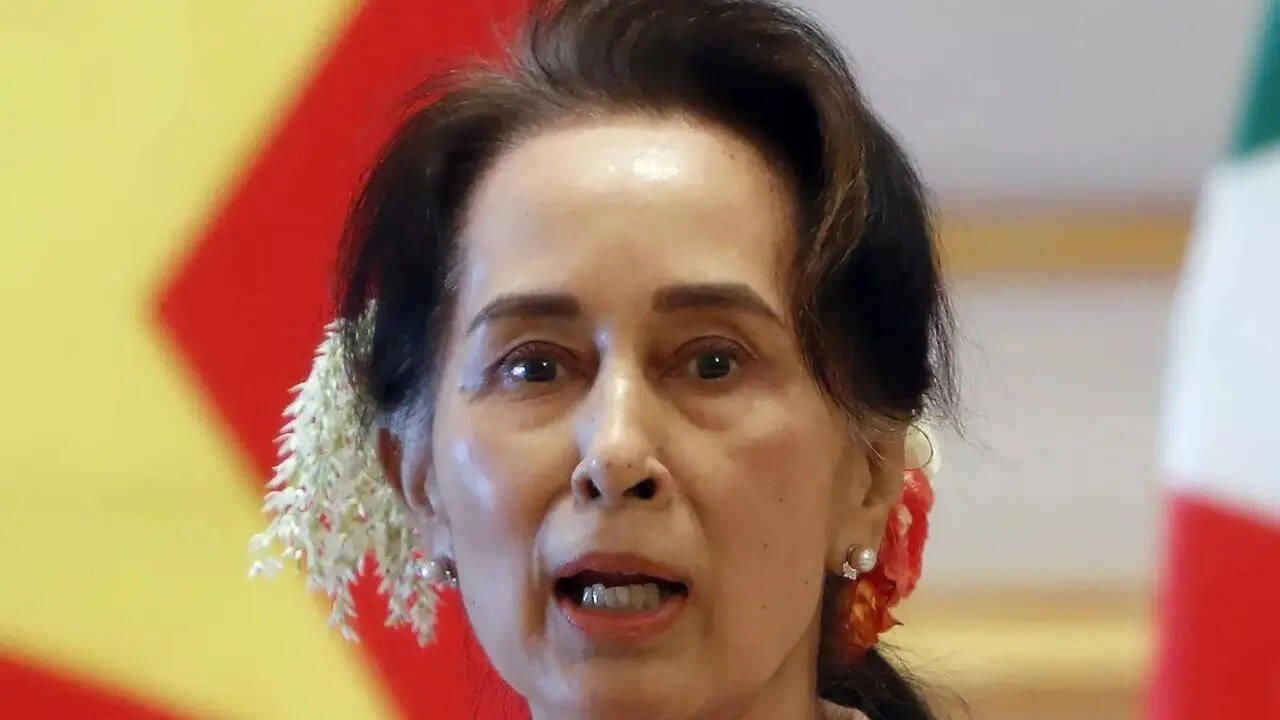
The military government in Myanmar has announced a reduction in the prison sentence of the country’s former leader, Aung San Suu Kyi. Her current 27-year sentence has been cut by one-sixth, which equals about four and a half years. Despite this change, the 78-year-old Nobel Peace Prize winner remains in detention. This move comes as the nation continues to struggle with internal conflict and international pressure following the military takeover in 2021.
Main Impact
The primary impact of this decision is a slight shortening of the time Suu Kyi is expected to spend behind bars. However, for a woman of her age, a sentence that still lasts over two decades is effectively a life term. This reduction does not change her status as a prisoner, nor does it suggest a major shift in the military's political strategy. Most experts see this as a symbolic gesture rather than a step toward her full release or a return to democratic rule in Myanmar.
Key Details
What Happened
The military authorities issued a partial pardon for Aung San Suu Kyi as part of a broader announcement. In Myanmar, it is common for the government to reduce sentences or release prisoners during significant national or religious holidays. While the reduction sounds helpful, it only applies to some of the many charges she was convicted of since the military took power. She has been held in various locations, including a prison in the capital city and, more recently, reported house arrest due to health concerns during extreme heat.
Important Numbers and Facts
Aung San Suu Kyi was originally facing a much longer time in prison. After several trials, her total sentence was set at 27 years. The new order cuts that time by one-sixth. She was found guilty of a long list of charges, including illegally importing walkie-talkies, breaking public health rules during the pandemic, and several counts of corruption. Her legal team and international observers have consistently stated that these charges were politically motivated and designed to keep her out of the public eye forever.
Background and Context
Aung San Suu Kyi was the de facto leader of Myanmar until February 2021. At that time, the military staged a coup and removed her government from power. The military claimed that the general election held in late 2020, which Suu Kyi’s party won by a landslide, was full of fraud. Since the coup, Myanmar has fallen into a state of chaos. There have been widespread protests, and many people have joined armed groups to fight against military rule. Suu Kyi has spent a large portion of her life in detention; she was previously held under house arrest for 15 years by a different military regime before being released in 2010.
Public or Industry Reaction
The reaction from the international community has been mostly negative. Human rights groups and foreign governments have called the sentence reduction "meaningless." They argue that the entire legal process against her was a sham and that she should be released immediately without any conditions. Within Myanmar, many people still view her as a hero and a symbol of democracy. However, the military maintains strict control over the country, making it dangerous for citizens to protest or speak out against the ongoing detention of their former leader.
What This Means Going Forward
Looking ahead, the situation in Myanmar remains very tense. The military is currently facing strong resistance from various groups across the country and has lost control of some regions. Some believe the military might use Suu Kyi as a bargaining chip in future negotiations. There are also concerns about her health, as she is elderly and has been kept in isolation for long periods. The international community continues to demand a peaceful resolution to the conflict, but the military has shown little interest in giving up power or allowing Suu Kyi to return to politics.
Final Take
While any reduction in a prison sentence might seem like progress, this decision does very little to change the reality on the ground in Myanmar. Aung San Suu Kyi remains a prisoner of the state, and the country remains divided by war. Until there is a real effort to include all political leaders in a dialogue, small changes to prison terms will likely be seen as a distraction from the larger crisis facing the nation.
Frequently Asked Questions
Why was Aung San Suu Kyi’s sentence reduced?
The military government often grants partial pardons during national holidays. This reduction is seen as a symbolic move rather than a change in legal policy.
Is Aung San Suu Kyi going home?
No, she is not going home. Even with the reduction, she still has more than 20 years left on her sentence and remains in government custody.
What are the main charges against her?
She was convicted of several crimes, including corruption, election fraud, and violating state secret laws. Her supporters say these charges were created to stop her from leading the country.