
Summary
The Mumbai Metropolitan Region Development Authority (MMRDA) is introducing new ways to generate income from the Mumbai Trans Harbour Link (MTHL), also known as Atal Setu. Instead of relying only on toll fees paid by drivers, the agency will now use advertising and fiber optic cable leasing to boost its earnings. This plan is designed to help pay off the massive construction costs and ensure the bridge remains well-maintained for years to come.
Main Impact
This decision marks a shift in how major infrastructure projects in India are funded. By using the bridge for more than just transportation, the MMRDA is turning the Atal Setu into a digital and commercial hub. This move will provide a steady stream of non-toll revenue, which reduces the financial pressure on the government. For the public, this could lead to better internet services in the region and more stable toll rates, as the agency will have other ways to cover its expenses.
Key Details
What Happened
The MMRDA has officially started looking for private partners to manage advertising and telecommunications on the bridge. They are inviting companies to bid for the rights to place advertisements at specific locations. Additionally, they are offering to lease out the fiber optic infrastructure that was built into the bridge. These cables are essential for high-speed internet and mobile data transmission between Mumbai and the mainland.
Important Numbers and Facts
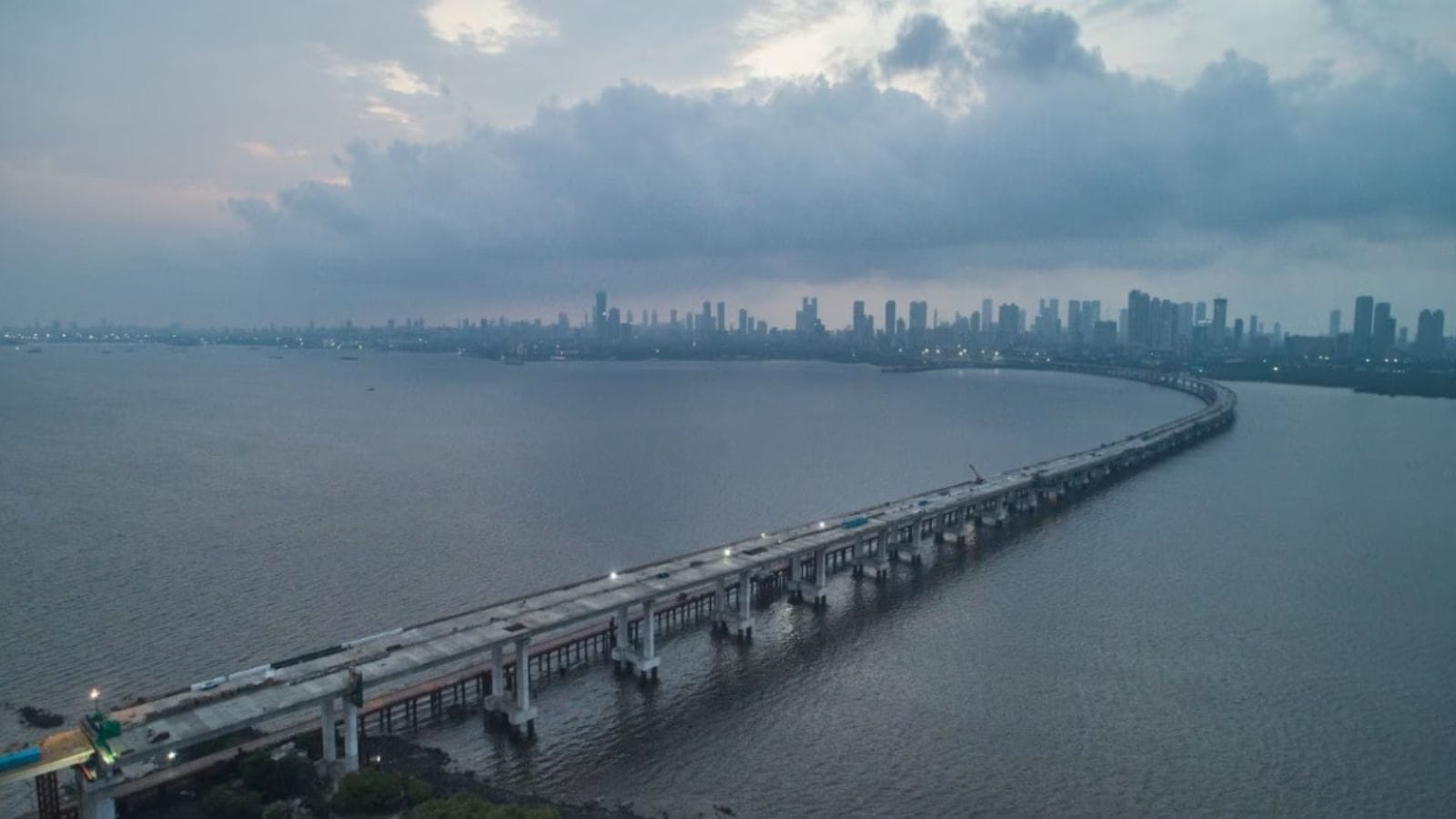
The Atal Setu is India’s longest sea bridge, stretching 21.8 kilometers across the sea. The project was completed at a cost of approximately ₹18,000 crore, with a large portion of the funding coming from international loans. Since its opening, the bridge has seen a steady flow of traffic, but the toll collection alone is not enough to quickly repay the debt. The fiber optic network consists of several ducts that can house multiple cables, offering a huge opportunity for telecom companies to expand their reach.
Background and Context
The MTHL was built to solve a major problem: the long travel time between Mumbai and Navi Mumbai. Before the bridge opened, the journey could take more than two hours through heavy traffic. Now, the same trip takes less than 20 minutes. However, building a bridge over the ocean is very expensive and requires constant maintenance to protect it from salt water and heavy winds. To manage these costs, the MMRDA is following a global trend where large bridges and tunnels are used to generate extra money through side businesses like technology and marketing.
Public or Industry Reaction
Industry experts have praised the move, calling it a practical way to manage public assets. Telecom companies are particularly interested because laying cables across the sea is usually a very difficult and expensive task. Using the existing bridge infrastructure makes it much easier for them to provide better service to customers in Navi Mumbai and the upcoming airport area. Some residents have raised questions about whether billboards will be a distraction for drivers, but the MMRDA has stated that all advertisements will be placed safely at toll plazas and entry points where they will not interfere with driving.
What This Means Going Forward
In the near future, travelers will notice digital displays and billboards near the Sewri and Chirle ends of the bridge. These ads will likely feature major brands and local businesses. At the same time, the hidden fiber optic cables will begin carrying vast amounts of data, helping the region become a "Smart City." The success of this revenue model could serve as a blueprint for other major projects in India, such as the Coastal Road or new metro lines, showing that infrastructure can pay for itself in multiple ways.
Final Take
The plan to use advertising and fiber optics on the Atal Setu is a smart financial strategy. It ensures that the bridge is not just a road, but a valuable piece of technology and marketing real estate. By diversifying its income, the MMRDA is taking a responsible step toward keeping the bridge safe, modern, and financially successful for the millions of people who will use it in the future.
Frequently Asked Questions
How will the ads affect drivers on the bridge?
The ads will be placed at toll plazas and specific entry or exit points. They are designed to be visible without distracting drivers who are traveling at high speeds on the main section of the bridge.
What are fiber optic cables used for?
Fiber optic cables are thin strands of glass that carry internet and telephone data using light. Leasing these cables allows telecom companies to provide faster and more reliable internet to the surrounding areas.
Will this make the toll prices go down?
While there is no official word on lowering tolls, the extra money from ads and leasing helps the MMRDA cover costs. This makes it less likely that they will need to increase toll prices frequently in the future.



