
Summary
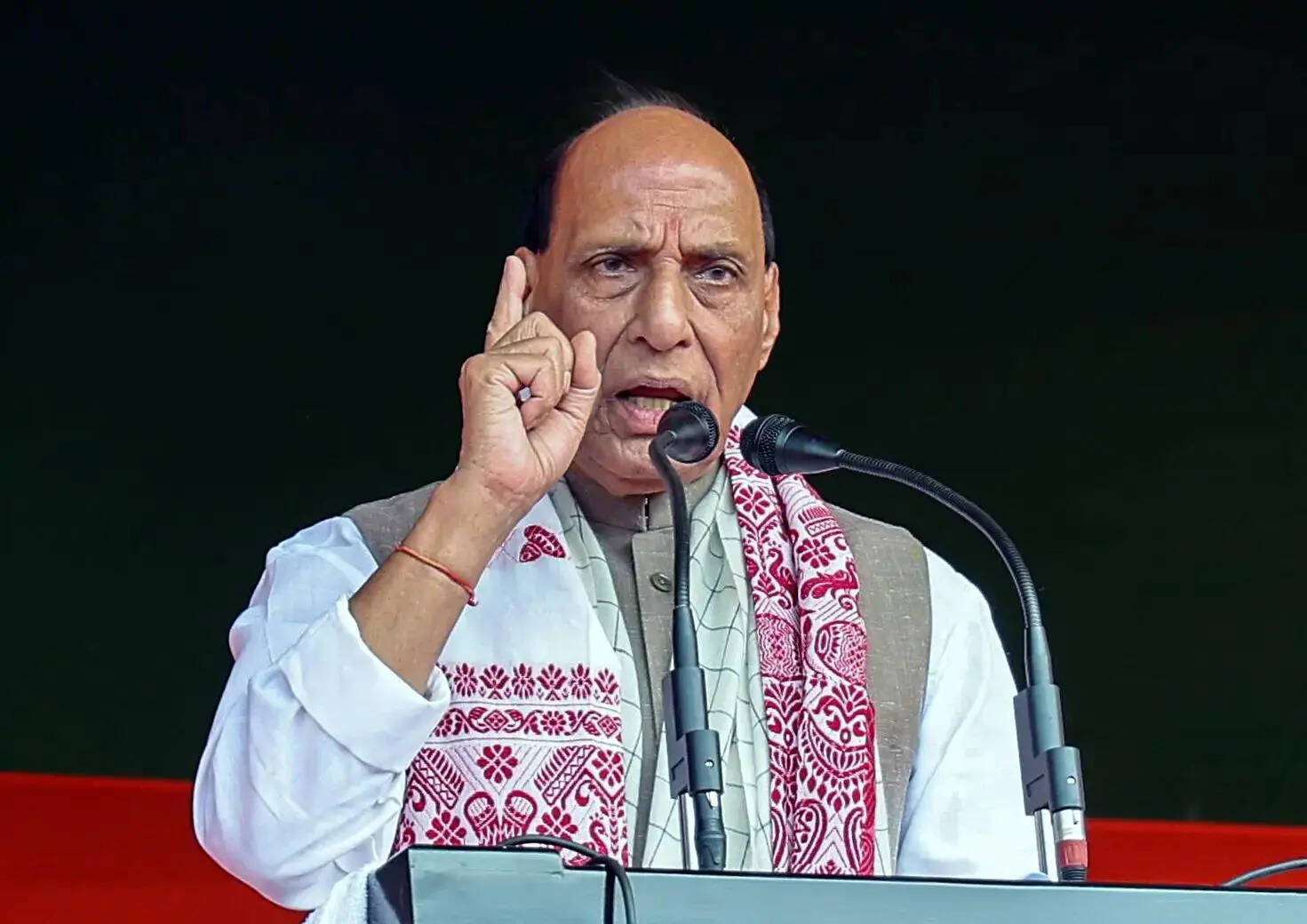
Defense Minister Rajnath Singh recently highlighted the significant changes in Assam under the Bharatiya Janata Party (BJP) government. He stated that the state has moved away from a history of violence and instability toward a new era of safety and growth. By focusing on peace deals and building better roads and bridges, the government claims to have turned Assam into a key player in India’s economy. This shift is seen as a major win for the region, which struggled with internal conflicts for many decades.
Main Impact
The primary impact of these changes is the visible improvement in daily life for the people of Assam. For a long time, the state was known for frequent strikes, protests, and violent clashes between different groups. Today, the focus has shifted to building schools, hospitals, and transport links. This stability has made it easier for businesses to invest in the state, creating more jobs for local youth. The removal of strict security laws in many areas also shows that the government feels the region is much safer than it used to be.
Key Details
What Happened
During a public address, Rajnath Singh explained how the central and state governments worked together to bring order to Assam. He pointed out that several armed groups that were once fighting against the government have now given up their weapons. These groups have signed peace agreements, choosing to join the mainstream political process instead of continuing with violence. Singh emphasized that without peace, no real progress could have happened in the Northeast.
Important Numbers and Facts
The government has shared several key facts to support these claims of progress. Since the BJP took office, thousands of members from various insurgent groups have surrendered. Peace accords were signed with major groups like the Bodo, Karbi, and Dimasa communities. In terms of building the state, the government has spent billions of rupees on connectivity. This includes the completion of the Bogibeel Bridge, which is India’s longest rail-cum-road bridge, and the Dhola-Sadiya Bridge, which has greatly reduced travel time across the Brahmaputra River. Additionally, the Armed Forces Special Powers Act (AFSPA), which gives the military extra powers, has been removed from a large majority of Assam’s districts.
Background and Context
To understand why this matters, one must look at the history of Northeast India. For many years after independence, Assam and its neighboring states felt ignored by the central government in New Delhi. This feeling of neglect led to the rise of many rebel groups who wanted more control over their own land or even complete independence. Travel was difficult because of the hilly terrain and lack of good roads. The region was often seen as a troubled corner of the country. The current government’s "Act East" policy aims to change this by making the Northeast a gateway for trade with countries like Myanmar, Thailand, and Vietnam.
Public or Industry Reaction
The reaction to these developments has been mostly positive among business leaders and local residents who value safety. Many people are happy that they no longer have to deal with constant "bandhs" or forced closures of shops and offices. However, some critics and opposition parties argue that while physical building projects are moving fast, there are still concerns about social unity and the rights of all communities. Despite these debates, the general feeling in the industrial sector is that Assam is now a much more attractive place for setting up factories and tourism businesses.
What This Means Going Forward
Looking ahead, the goal is to make Assam a central hub for the entire Northeast region. The government plans to continue expanding the railway network and improving air travel by building new airport terminals. If the peace holds, the next step will be to increase trade across international borders. This would allow farmers and craftsmen in Assam to sell their goods to a much larger market in Southeast Asia. The challenge will be to maintain this peace and ensure that the benefits of growth reach people living in the most remote villages, not just those in the big cities.
Final Take
The transformation of Assam from a zone of conflict to a center of development is a significant achievement for the current administration. By prioritizing peace treaties and large-scale building projects, the government has changed the way the rest of India views the state. While challenges remain in keeping different social groups happy, the foundation for a more stable and wealthy Assam has clearly been laid. Safety and connectivity are the two pillars that will likely define the state's future in the coming years.
Frequently Asked Questions
What is the main reason for the peace in Assam?
The peace is largely due to several successful peace agreements signed between the government and various rebel groups, who agreed to stop fighting and help build the state instead.
How has travel improved in the state?
Travel has improved because of the construction of massive new bridges over the Brahmaputra River and the expansion of highways and train lines that connect remote areas to the rest of India.
What is the "Act East" policy?
The "Act East" policy is a government plan to improve the economy of Northeast India by creating better trade and political links with countries in Southeast Asia.



