
Summary
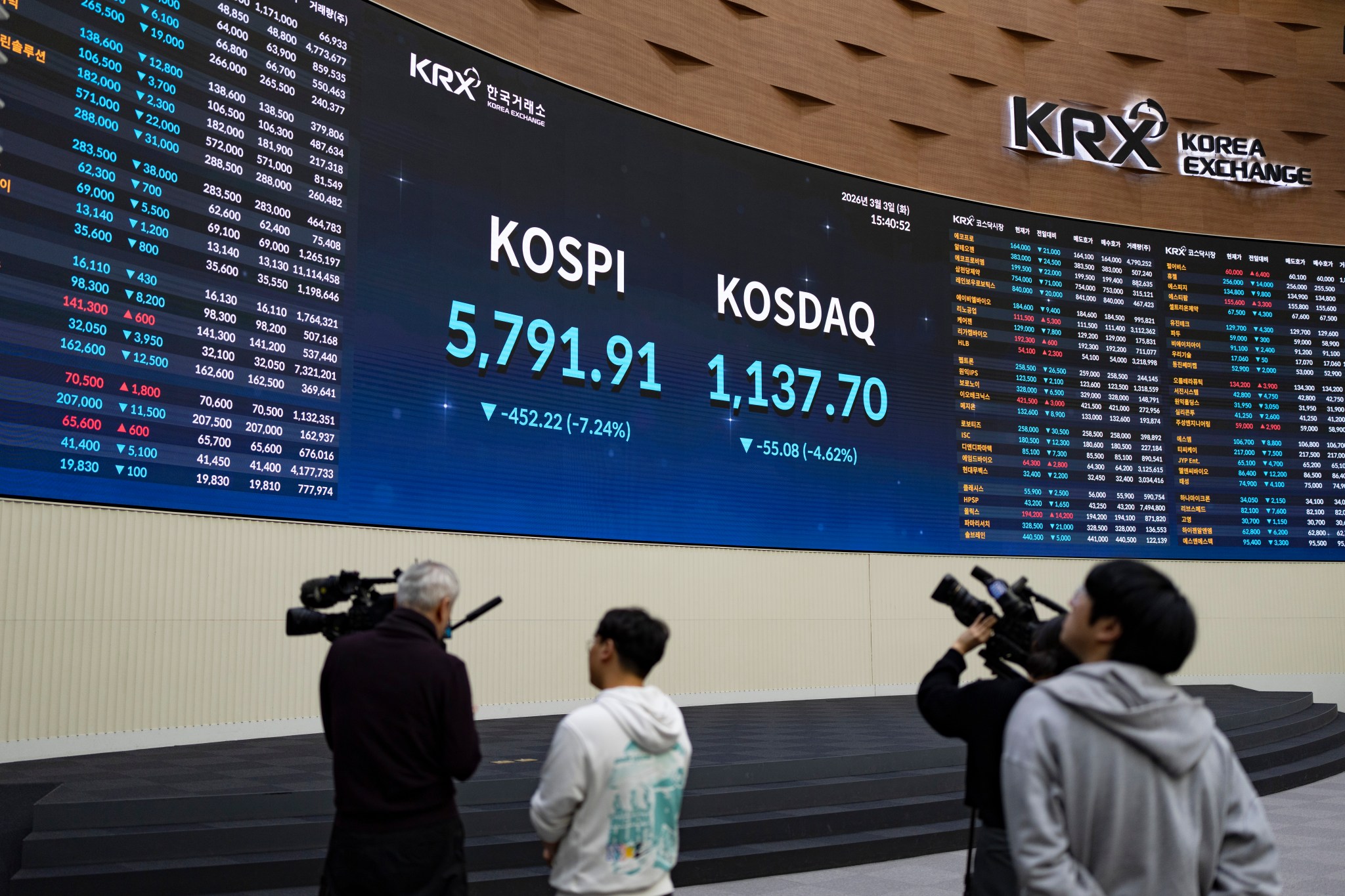
Asian stock markets faced a major sell-off on Monday as investors reacted to the growing conflict between the United States and Iran. The tension follows recent military strikes ordered by U.S. President Donald Trump, which have caused fears of a long-term war in the Middle East. These worries have led to a sharp rise in oil prices and a drop in investor confidence across the region. South Korea and Japan have been hit the hardest because they depend heavily on imported energy to power their economies.
Main Impact
The primary impact of this conflict is the disruption of global energy supplies. When Iran closed the Strait of Hormuz last week, it blocked a vital path for oil tankers. This move caused oil prices to jump quickly, with some prices going over $115 per barrel. For countries in Asia that do not have their own oil sources, this means higher costs for businesses and consumers. The uncertainty has caused many people to sell their stocks, leading to billions of dollars in lost market value in just a few days.
Key Details
What Happened
The market decline began after the U.S. launched large strikes against targets in Iran. This military action caused an immediate reaction from the Iranian government, which decided to halt oil and gas exports through the Strait of Hormuz. This waterway is one of the most important shipping lanes in the world. Because so much of the world's oil passes through this narrow area, any closure creates an immediate supply problem. Investors are now worried that if the war continues, energy prices will stay high for a long time, hurting global trade.
Important Numbers and Facts
The stock market losses on Monday were significant across several major Asian cities. South Korea’s KOSPI index saw the largest drop, falling by 6.2%. Japan’s Nikkei 225 was not far behind, losing 5.2% of its value. In Vietnam, the main index fell by 5.7%, while India’s NIFTY 50 dropped by 2.5%. Since the conflict started, the KOSPI has lost more than 16% of its total value.
The tech sector has also been hit very hard. Two of the world’s largest chipmakers, Samsung and SK Hynix, have seen their stock prices fall by about 20% since the strikes began. This is a major change from earlier in the year when these companies were seeing record growth due to the high demand for artificial intelligence technology.
Background and Context
To understand why these markets are falling so fast, it is important to look at where they get their energy. South Korea gets about 70% of its crude oil from the Middle East. Japan is even more dependent, getting nearly 90% of its oil from that region. When the supply of oil is threatened, these countries face a direct risk to their factories, transportation, and power grids. Without a steady flow of affordable oil, it becomes much harder for these nations to produce goods and keep their economies growing.
Before this war started, Asian tech stocks were in the middle of a massive boom. Investors were excited about new computer chips used for AI. However, the high cost of energy and the fear of war have caused many investors to move their money out of these growth stocks and into safer options.
Public or Industry Reaction
Financial experts have different views on how long this downturn will last. Analysts from Goldman Sachs have told investors not to panic. They pointed out that the South Korean market had grown by 176% since early 2025, so a drop was likely to happen eventually. They believe the market will recover once the situation becomes more stable. Other experts from the Bank of Singapore noted that while wars cause a quick "knee-jerk" reaction where prices fall, markets usually bounce back unless the oil supply is permanently cut off.
In contrast, China’s markets have remained much more stable. The CSI 300 index in China only fell by 2.3%. This is because China has spent years building up large stockpiles of oil and has planned for energy emergencies. Some analysts believe that if the war continues, investors might move their money from Japan and Korea into Chinese markets because they seem safer right now.
What This Means Going Forward
The next few weeks will be critical for the global economy. If the Strait of Hormuz remains closed, oil prices could stay above $100 per barrel, which would lead to higher inflation worldwide. This would make it difficult for central banks to lower interest rates. However, if the U.S. and Iran find a way to stop the fighting, markets could recover just as quickly as they fell. For now, the U.S. market has stayed relatively steady because the U.S. produces a lot of its own oil, but even American investors are starting to show signs of worry as futures prices begin to slip.
Final Take
The sudden drop in Asian stocks shows how quickly geopolitical events can change the global economy. While the tech boom of the past year brought great wealth to the region, the reliance on Middle Eastern oil remains a major weakness for countries like Japan and South Korea. Investors are now waiting to see if diplomatic efforts can reopen shipping lanes and bring stability back to the energy market. Until then, the path for stocks remains uncertain and tied directly to the price of a barrel of oil.
Frequently Asked Questions
Why did South Korea's stock market fall more than others?
South Korea is very dependent on oil from the Middle East and has a large tech sector. Both of these areas are highly sensitive to war and rising energy costs, leading to a 6.2% drop in its main stock index.
What is the Strait of Hormuz and why does it matter?
It is a narrow waterway between the Persian Gulf and the Gulf of Oman. It is the most important oil shipping route in the world. When it is closed, a large portion of the global oil supply cannot reach buyers, causing prices to skyrocket.
Will the stock markets recover soon?
Many financial analysts believe the markets will recover once the initial shock of the war passes. However, a full recovery depends on whether oil prices go back down and if the conflict stays contained to a small area.



