
Summary
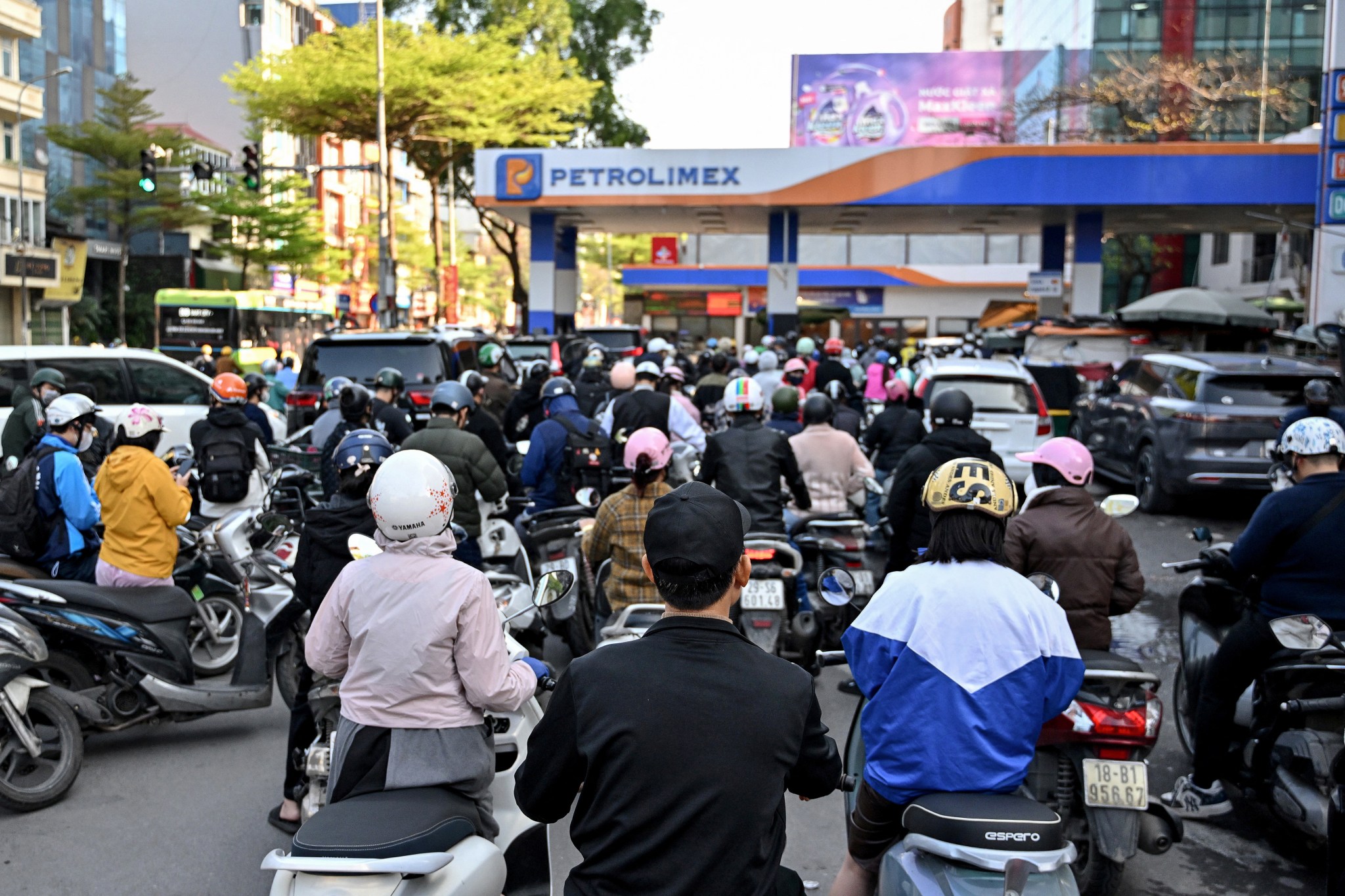
Governments across Asia are taking fast and serious steps to deal with a major fuel shortage. This crisis is caused by the ongoing war involving Iran and the closure of a key water path used by oil ships. To save energy, many countries are telling people to work from home, closing schools early, and even changing how offices use air conditioning. These measures are meant to protect the economy as oil prices stay high and supplies become harder to find.
Main Impact
The biggest problem for Asia is its heavy reliance on oil from the Middle East. Because the Strait of Hormuz is currently closed, oil tankers cannot move through the region easily. This has caused a sudden drop in the amount of fuel available for countries like Japan, South Korea, and Thailand. Without enough oil, prices for gas and electricity are rising quickly, forcing governments to step in and control how much energy people use every day.
Key Details
What Happened
In the last few days, several Asian nations have announced emergency rules to cut down on fuel use. Thailand has ordered its government workers to stop using elevators and take the stairs instead. They have also been told to set their air conditioning to 27 degrees Celsius, which is warmer than usual, to save power. In the Philippines and Pakistan, the government has started a four-day work week. By having people stay home one extra day, these countries hope to reduce the amount of fuel used for commuting and running large office buildings.
In South Asia, the situation is also difficult. Bangladesh has closed universities earlier than planned by moving up a major holiday. India has decided to stop sending certain types of gas to businesses so that there is enough for families to use at home. This has caused a lot of worry for owners of hotels and restaurants who need that gas to stay open.
Important Numbers and Facts
The scale of this crisis is clear when looking at the data. Japan gets about 90% of its oil from the Middle East, while South Korea gets 70%. This makes them very vulnerable when shipping paths are blocked. South Korea reports that about 1.7 million barrels of oil meant for their country are being held back every single day. To help its citizens, Indonesia is spending $22.6 billion on subsidies to keep fuel and power prices from getting too high. Meanwhile, the International Energy Agency (IEA) has agreed to release 400 million barrels of oil from emergency storage to help stabilize the global market.
Background and Context
The Strait of Hormuz is a very narrow path of water that connects oil producers in the Middle East to the rest of the world. It is one of the most important places for global trade. When a war happens in this area, it often leads to the path being blocked or becoming too dangerous for ships. Since Asia does not have as much of its own oil as other regions, it feels the impact of these disruptions almost immediately. This is why governments are acting so quickly to change how people work and live.
Public or Industry Reaction
The reaction to these changes has been a mix of cooperation and concern. While many people understand the need to save energy, business owners are worried about their future. In India, restaurant owners fear they will have to shut down because the government is prioritizing home cooking gas over commercial use. In other places, workers are adjusting to the new four-day work weeks and work-from-home rules. While these rules help save fuel, they also change how businesses operate and how students learn in schools.
What This Means Going Forward
The future of energy prices remains uncertain. While oil prices have gone up and down recently, experts warn that the situation could get much worse. Some analysts believe that if the conflict continues and the shipping paths stay closed, the price of oil could reach $200 per barrel. This would be a record high and would cause even more financial pain for families and businesses. Asian countries are now looking for other ways to get energy, such as using different types of fuel or finding new trade partners, to make sure they are not caught off guard again.
Final Take
This fuel crisis shows how much the world relies on a few key shipping routes. For Asia, the current emergency measures are a necessary way to keep the lights on and the economy moving. However, these changes also show that the region needs to find more stable ways to get energy in the future. For now, the focus remains on saving every drop of fuel possible until the conflict ends and oil begins to flow normally again.
Frequently Asked Questions
Why are Asian countries having a fuel crisis?
The crisis is caused by a war involving Iran that has led to the closure of the Strait of Hormuz. This is a vital waterway that most oil ships must use to bring fuel from the Middle East to Asia.
What are governments doing to save energy?
Many governments are using four-day work weeks, telling people to work from home, and closing schools. Some are also limiting air conditioning use and asking workers to take the stairs instead of elevators.
Will oil prices continue to rise?
Prices have been very unstable. While some oil is being released from emergency reserves to help, some experts warn that prices could reach as high as $200 per barrel if the war continues for a long time.



