
Summary
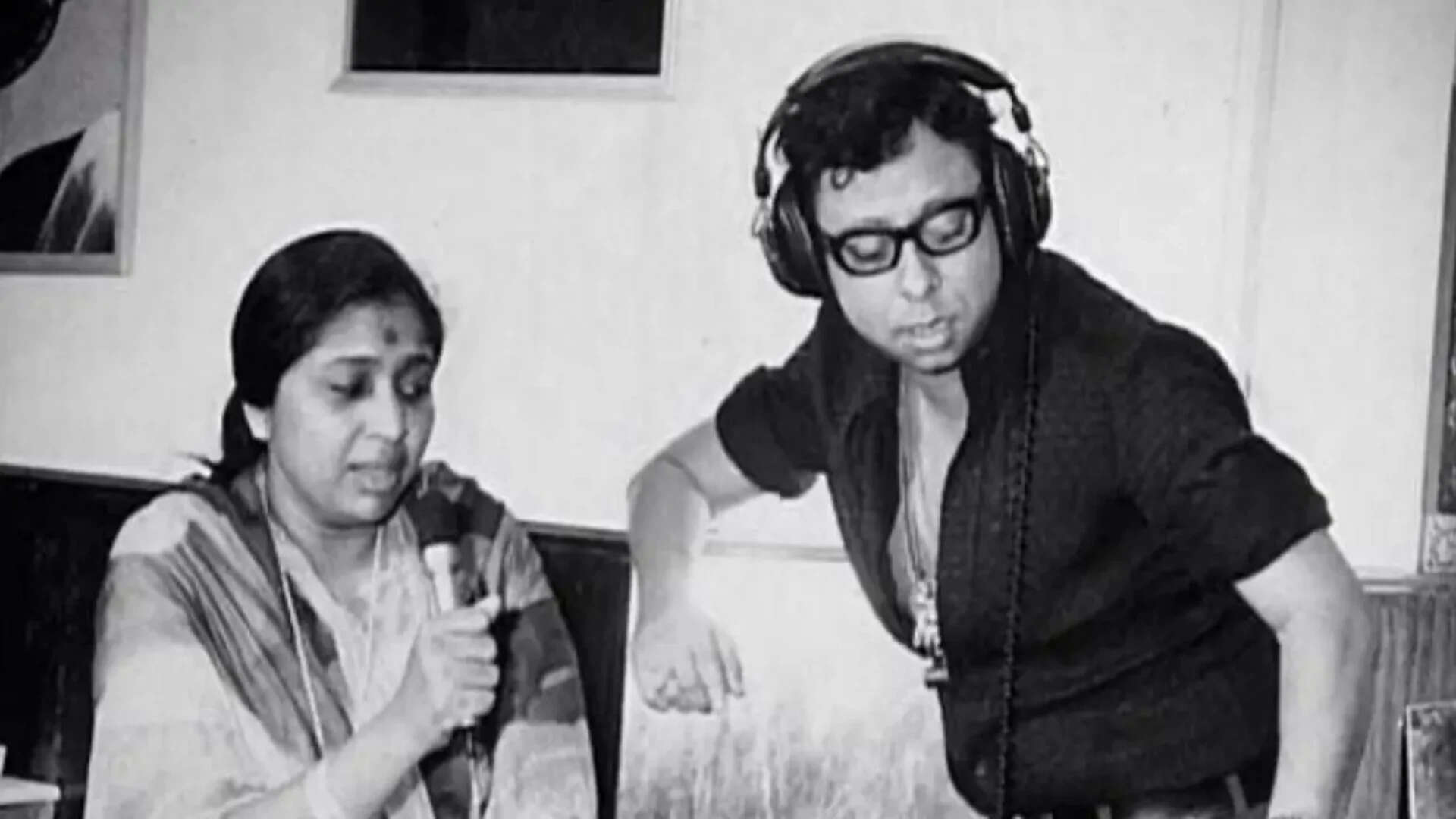
Asha Bhosle and R.D. Burman formed one of the most influential partnerships in the history of Indian cinema. Their work together did more than just create hit songs; it changed the entire sound of Bollywood by mixing traditional styles with modern, global beats. This creative bond eventually led to a personal one, as the two artists married and continued to shape the music industry for decades. Even years after R.D. Burman passed away, their music remains a vital part of Indian culture.
Main Impact
The biggest impact of the Bhosle-Burman era was the modernization of Hindi film music. Before they rose to fame, most movie songs followed a very strict and traditional pattern. This duo broke those rules by introducing sounds from jazz, rock and roll, and even disco. They made music that felt young, energetic, and bold. This shift helped Bollywood reach a wider audience and proved that Indian music could be as experimental and exciting as anything heard in the West. Their work gave singers more freedom to use their voices in new ways, moving away from the standard singing styles of the time.
Key Details
What Happened
The magic started in 1966 with the movie 'Teesri Manzil'. At the time, R.D. Burman was a young composer looking to make his mark, and Asha Bhosle was a talented singer ready for a challenge. The director, Nasir Hussain, wanted something different, and the duo delivered a soundtrack that was unlike anything heard before. Songs like "O Haseena Zulfonwali" and "Aaja Aaja Main Hoon Pyar Tera" became instant hits. This success proved that their combined talents were a perfect match. Over the next few decades, they worked on hundreds of songs together, covering everything from high-energy dance numbers to deep, emotional ballads.
Important Numbers and Facts
R.D. Burman, often called "Pancham Da" by his fans and friends, was known for his unusual methods. He would sometimes use everyday objects, like sandpaper or glass bottles, to create unique percussion sounds. Asha Bhosle, known for her incredible range, could sing in many different styles and languages. The couple officially married in 1980, solidifying a bond that was both professional and romantic. Together, they produced music for iconic films such as 'Yaadon Ki Baaraat', 'Caravan', and 'Hare Rama Hare Krishna'. Their song "Dum Maro Dum" became an anthem for a whole generation and remains famous even today.
Background and Context
To understand why this partnership mattered so much, it is important to look at the state of music in the 1960s and 70s. During this time, India was changing, and the youth wanted music that reflected their energy. R.D. Burman grew up in a musical family—his father was the famous composer S.D. Burman—but he wanted to create his own path. Asha Bhosle was often in the shadow of her older sister, Lata Mangeshkar, who was known for a very classical and pure singing style. By working with Burman, Asha found a way to show off her versatility. She became the go-to voice for "cabaret" songs, romantic duets, and experimental tracks, proving she was a master of all genres.
Public or Industry Reaction
At first, some traditional music critics were unsure about the new sounds R.D. Burman was bringing to the screen. They thought the heavy use of guitars and drums was too "Western." However, the public felt differently. Moviegoers loved the catchy rhythms and the way Asha Bhosle brought life to the lyrics. Other composers soon began to copy Burman’s style, realizing that the audience wanted more variety. Within the industry, the duo was respected for their hard work and their ability to record complex songs in very little time. They were seen as trendsetters who weren't afraid to take risks.
What This Means Going Forward
The influence of Asha Bhosle and R.D. Burman did not end when Burman passed away in 1994. Asha Bhosle spent many years making sure his music stayed alive. She released tribute albums and performed his songs in concerts all over the world. Today, their music is still heavily used in Bollywood. Many modern music producers remix their old hits for new movies, showing that the melodies are still relevant. Their story serves as a reminder that true creativity comes from being brave enough to try something new. For young musicians, their partnership is a lesson in how to blend different cultures and styles to create something timeless.
Final Take
The story of Asha Bhosle and R.D. Burman is a rare example of how two people can change an entire industry through their shared passion. They didn't just make songs; they created a new language for Indian film music. Their legacy is found in every beat of a modern Bollywood track and in the hearts of millions of fans who still hum their tunes. Their music was, and always will be, a celebration of life and love.
Frequently Asked Questions
Which movie first made the Asha Bhosle and R.D. Burman duo famous?
The 1966 film 'Teesri Manzil' is considered the major turning point that made their partnership famous and changed the sound of Bollywood music.
What was R.D. Burman’s nickname?
He was widely known as "Pancham Da." The name "Pancham" comes from the fifth note of the Indian musical scale, which he reportedly used to cry as a child.
How did Asha Bhosle keep R.D. Burman's legacy alive?
After his death, she continued to perform his songs at global concerts and recorded several tribute albums to ensure that younger generations would know his work.



