
Summary
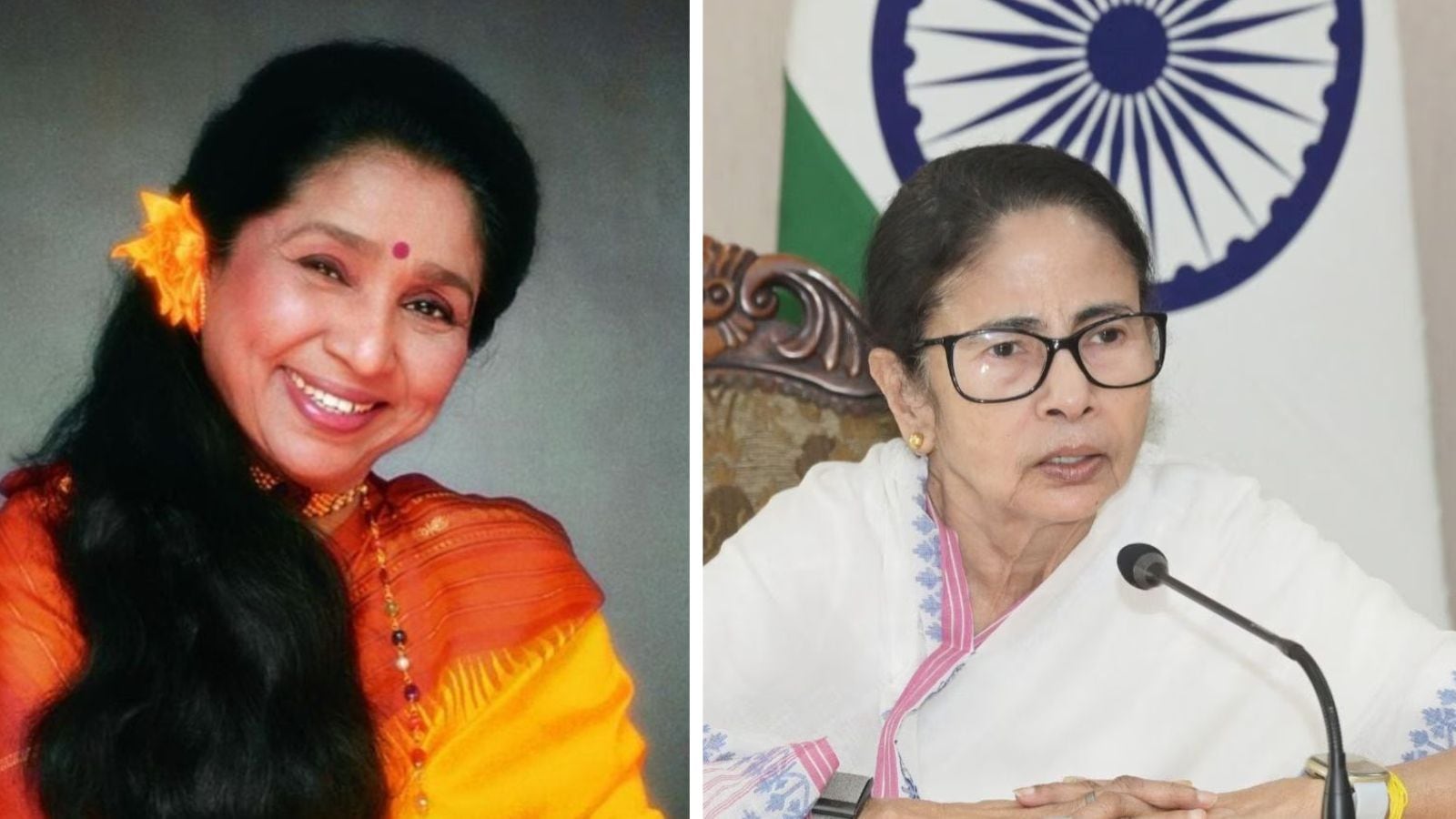
The music world is in mourning following the passing of legendary playback singer Asha Bhosle. West Bengal Chief Minister Mamata Banerjee expressed her deep sadness, noting that the singer was immensely popular in the state. Asha Bhosle was a household name across India, but her connection with Bengal was particularly strong due to her many Bengali songs. Her death marks the end of a golden era in Indian music that spanned over seven decades.
Main Impact
The loss of Asha Bhosle is felt deeply by millions of fans and the entire Indian film industry. She was one of the last remaining icons from the classic age of Bollywood music. In West Bengal, the impact is significant because she was not viewed as an outsider. She sang many "Pooja songs" and film tracks in the Bengali language, making her a local favorite. Her death leaves a void in the cultural world that will be very difficult to fill.
Key Details
What Happened
Asha Bhosle passed away at the age of 92, leaving behind a massive legacy of recorded music. Upon hearing the news, leaders and celebrities from across the country began sharing their tributes. Chief Minister Mamata Banerjee was among the first to speak out, highlighting how much the people of Bengal loved her. The Chief Minister mentioned that Asha’s voice was a part of every Bengali home, especially during festivals and special occasions.
Important Numbers and Facts
Asha Bhosle’s career was record-breaking in many ways. She started singing in the 1940s and continued to perform for over 70 years. She is credited with singing more than 12,000 songs in over 20 different languages. In 2011, the Guinness World Records officially recognized her as the most recorded artist in music history. She received the Dadasaheb Phalke Award and the Padma Vibhushan, which are some of the highest honors given by the Indian government.
Background and Context
Asha Bhosle came from a very musical family. She was the sister of the late Lata Mangeshkar, another legendary singer who passed away a few years ago. While her sister was known for a more classical and soft style, Asha was famous for her versatility. She could sing anything from slow, sad songs to fast-paced dance numbers and cabaret tracks. This ability to change her voice and style made her the top choice for music directors for many years.
In Bengal, her work with music directors like R.D. Burman and Salil Chowdhury created some of the most memorable melodies in the state's history. She mastered the pronunciation of the Bengali language so well that many listeners often forgot she was not a native speaker. This dedication to her craft earned her a permanent place in the hearts of the people in Kolkata and beyond.
Public or Industry Reaction
The reaction to her death has been an outpouring of grief. On social media, fans are sharing their favorite songs and clips of her performances. Musicians from the younger generation have spoken about how she was a teacher and an inspiration to them. In Kolkata, many music schools and cultural groups held small prayer meetings to honor her memory. Mamata Banerjee stated that the state has lost a "true friend" and a "musical giant" who bridged the gap between different cultures through her art.
What This Means Going Forward
While Asha Bhosle is no longer with us, her music will continue to be played for generations. The music industry will likely focus on preserving her vast catalog of songs in digital formats. There are already calls to create a memorial or a museum dedicated to her and her sister’s contributions to Indian culture. For new singers, her life serves as a lesson in hard work and the ability to adapt to changing musical trends over many decades.
Final Take
Asha Bhosle was more than just a singer; she was a cultural force who defined the sound of Indian cinema for over half a century. Her special bond with West Bengal showed that music has no language barriers. While the nation mourns her physical absence, her voice will remain a constant presence in the lives of music lovers everywhere. She leaves behind a record of excellence that may never be matched again.
Frequently Asked Questions
How many songs did Asha Bhosle sing?
Asha Bhosle recorded over 12,000 songs throughout her career. She sang in more than 20 languages, including Hindi, Bengali, Marathi, and many others.
Why was she so popular in West Bengal?
She was popular in Bengal because she sang many original Bengali songs and film tracks. Her perfect pronunciation and collaboration with famous Bengali composers made her feel like a local artist to the people of the state.
What awards did Asha Bhosle receive?
She received many high honors, including the Padma Vibhushan and the Dadasaheb Phalke Award. She also held a Guinness World Record for being the most recorded artist in the world.



