
Summary
Arvind Kejriwal, the Chief Minister of Delhi, recently made a legal move to ask a Delhi High Court judge to step down from his case. This process, known as recusal, happens when a person involved in a lawsuit believes the judge might not be able to make a fair decision. Rekha Gupta, a well-known political leader, has publicly criticized this move, calling it a sad and "unfortunate" event for the legal system. This development is important because it shows the growing tension between political leaders and the courts in India’s capital.
Main Impact
The primary impact of this request is a significant delay in the legal proceedings involving the Chief Minister. When a high-profile leader questions the fairness of a judge, it creates a complicated situation for the entire court system. If the judge decides to leave the case, a new judge must be found, which takes time and slows down the path to a final decision. On the other hand, if the judge stays, the legal team might continue to argue that the trial is not being handled fairly. This situation affects how the public views the independence and strength of the judiciary.
Key Details
What Happened
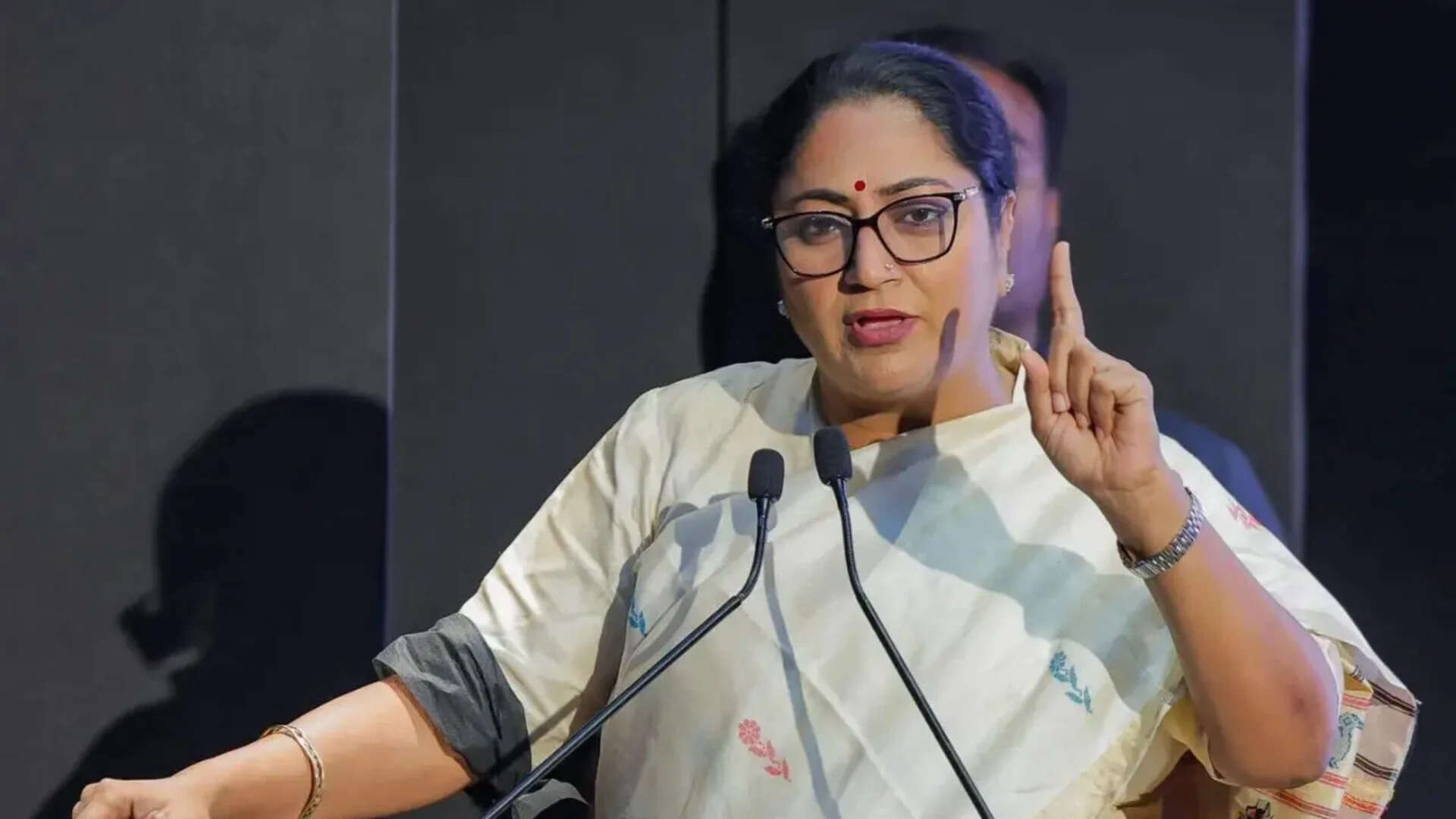
The legal team representing Arvind Kejriwal filed a formal request asking the presiding judge of the Delhi High Court to recuse themselves. The lawyers suggested that the judge might have a bias or a pre-existing opinion that could influence the outcome of the case. Shortly after this request was made public, Rekha Gupta spoke to the media to express her disapproval. She argued that such moves are often used as a way to put pressure on the court or to avoid facing a quick judgment. She stated that the attempt to change the judge was a sign of disrespect toward the legal process.
Important Numbers and Facts
The case involves several complex legal issues that have been under investigation for many months. While the specific case numbers are part of the court's private records, the public impact is clear. This is not the first time a political leader in Delhi has faced legal challenges, but the request for a judge to step down is a serious step that does not happen every day. The court now has to review the arguments and decide whether there is a real reason for the judge to stop hearing the case or if the trial should continue as planned.
Background and Context
To understand why this matters, it is helpful to know what recusal means in simple terms. In the legal world, a judge is expected to be like a neutral referee in a sports game. If a judge has a personal connection to someone in the case, or if they have expressed strong opinions about it before, they might step away to make sure the trial stays fair. This is meant to protect the rights of the person being accused. However, in the world of politics, these legal tools are sometimes seen as weapons. Opponents often claim that asking for a judge to leave is just a way to stall for time or to find a judge who might be more sympathetic to their side.
Public or Industry Reaction
The reaction to this move has been divided along political lines. Supporters of Arvind Kejriwal and his party argue that everyone has a right to a fair trial. They believe that if there is even a small chance that a judge is not neutral, it is better for the justice system to bring in someone else. They see this as a necessary step to ensure the law is followed correctly. However, leaders like Rekha Gupta and other members of the opposition see it differently. They believe that the Chief Minister is trying to control the court's actions. They argue that by questioning the judge, the government is making it harder for the courts to do their job without fear or favor.
What This Means Going Forward
In the coming days, the Delhi High Court will have to make a choice. The judge in question will likely listen to the arguments from both sides before deciding whether to stay on the case. If the judge agrees to step down, it could lead to a long wait while a new judge learns all the facts of the case. If the judge refuses to leave, the case will move forward, but the legal battle over the judge's fairness will likely continue in higher courts. This situation will be a test for the Delhi legal system, showing how it handles pressure from powerful political figures while trying to maintain public trust.
Final Take
The legal system works best when everyone involved respects the rules and the people who enforce them. While it is a legal right to ask for a fair judge, doing so in a highly public and political way can create doubt in the minds of the citizens. The goal of any court case should be to find the truth and provide justice quickly. When political fights enter the courtroom, it often makes that goal much harder to reach. The outcome of this specific request will tell us a lot about the future of legal accountability for leaders in Delhi.
Frequently Asked Questions
What does it mean when a judge is asked to recuse themselves?
It means that one of the parties in a court case asks the judge to stop participating. This is usually done if there is a concern that the judge cannot be completely fair or neutral.
Why did Rekha Gupta call the move "unfortunate"?
She believes that asking the judge to step down is a tactic used to delay the legal process and show a lack of respect for the authority of the High Court.
Will this stop the case against Arvind Kejriwal?
No, it will not stop the case, but it could cause a delay. If a new judge is assigned, they will need time to review all the evidence and previous hearings before the case can continue.



