
Summary
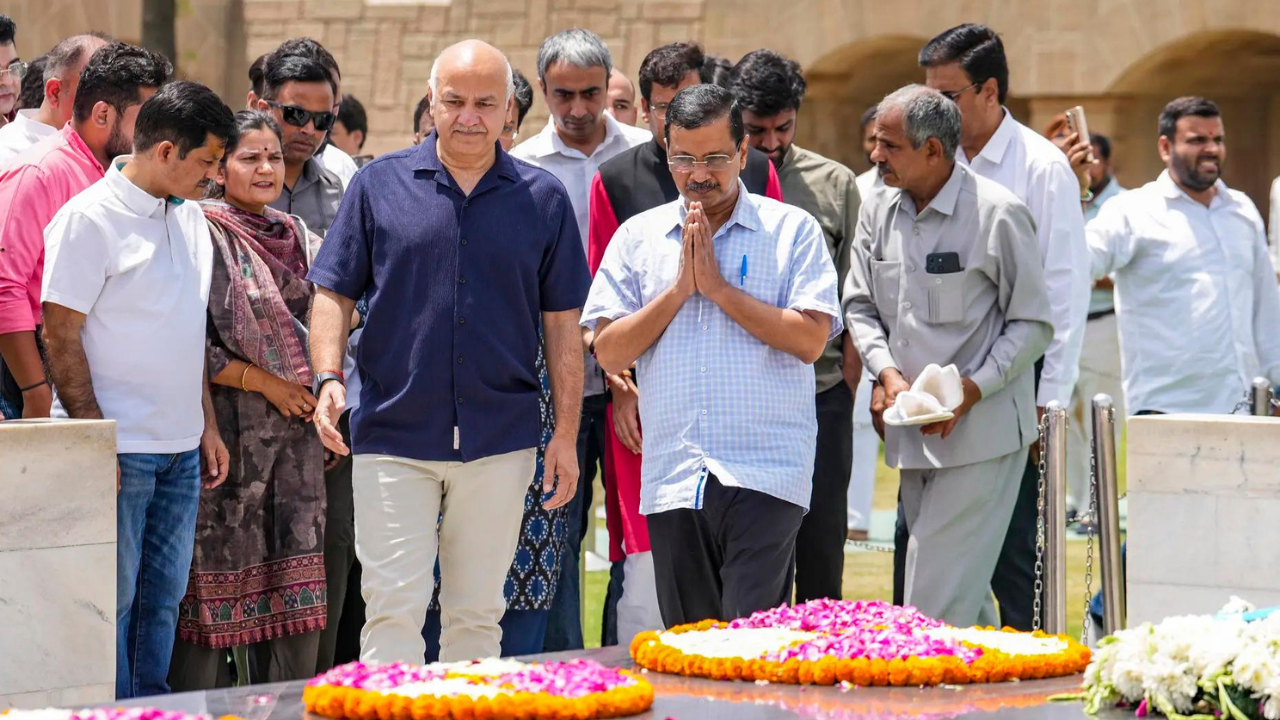
Delhi Chief Minister Arvind Kejriwal and former Deputy Chief Minister Manish Sisodia have taken a firm stand against the ongoing legal proceedings in the Delhi Excise Policy case. The two leaders announced they would boycott the court process, claiming that the current judicial setup is biased against them. To mark this decision, Kejriwal visited Rajghat to pay his respects to Mahatma Gandhi and stated that his fight is a form of "Satyagraha," or a peaceful struggle for truth.
Main Impact
This decision marks a major shift in how the Aam Aadmi Party (AAP) is handling its legal battles. By refusing to participate in the court proceedings, Kejriwal and Sisodia are publicly questioning the fairness of the Indian legal system in this specific case. This move moves the conflict from a strictly legal setting into a political and moral one. It suggests that the leaders no longer believe they can receive a neutral trial under the current circumstances, which could lead to more tension between the Delhi government and central authorities.
Key Details
What Happened
Arvind Kejriwal and Manish Sisodia officially stated that they would no longer take part in the hearings related to the Delhi liquor policy case. They believe there is a conflict of interest involving the officials overseeing the matter. After making this announcement, Kejriwal went to Rajghat, the memorial of Mahatma Gandhi. He spent time there in reflection, signaling that he views his legal troubles as a political fight similar to the independence movements led by Gandhi. The leaders expressed that they have lost faith in the current legal process because of the perceived political leanings of those in charge.
Important Numbers and Facts
The case centers on the Delhi Excise Policy of 2021-22, which has been under investigation for several years. Both Kejriwal and Sisodia have spent significant time in custody during these investigations. The leaders specifically pointed to the Solicitor General and the presiding judge, alleging that their personal ideologies are linked to the Rashtriya Swayamsevak Sangh (RSS). They argue that these links make it impossible for the court to remain objective. This is one of the few times in recent history that high-ranking elected officials have openly boycotted a major criminal trial while citing judicial bias.
Background and Context
The Delhi Excise Policy was originally created to change how alcohol was sold in the city. The goal was to stop the government from running liquor stores and let private companies take over. The government hoped this would increase revenue and stop the sale of fake alcohol. However, shortly after the policy started, officials claimed there were many rules broken. They alleged that private companies were given unfair advantages in exchange for bribes. This led to a massive investigation by the Central Bureau of Investigation (CBI) and the Enforcement Directorate (ED).
For the Aam Aadmi Party, this case has been a major hurdle. Many of their top leaders have been arrested or questioned. The party has always maintained that the case is a political move by their opponents to stop their work in Delhi and other states. By using the word "Satyagraha," Kejriwal is connecting his current situation to the famous non-violent protests used during India's fight for freedom. This term is used to show that they believe they are being punished for telling the truth and helping the public.
Public or Industry Reaction
The reaction to this boycott has been divided. Supporters of the Aam Aadmi Party see this as a brave move against a system they believe is being used as a political tool. They view the visit to Rajghat as a powerful symbol of honesty. On the other hand, legal experts and political opponents have criticized the move. Some argue that boycotting a court case is a sign of disrespect toward the law. Opponents claim that if the leaders are innocent, they should prove it in court rather than walking away from the process. The legal community is also discussing whether such a boycott will set a precedent for other political cases in the future.
What This Means Going Forward
The decision to boycott the case creates a complicated situation for the court. Usually, a trial continues even if the accused person refuses to participate, but it makes the process much more difficult. The court will have to decide how to move forward without the active involvement of the main defendants. For Kejriwal and Sisodia, this path carries high risks. It could lead to further legal penalties or be seen as a challenge to the authority of the courts. However, it also keeps their message alive in the public eye, framing them as victims of a biased system as they prepare for future elections.
Final Take
The choice to stop participating in the excise policy case is a bold political gamble. By invoking the spirit of Mahatma Gandhi, Arvind Kejriwal is trying to shift the public focus from legal technicalities to a broader debate about justice and fairness. Whether this strategy helps his cause or leads to more legal trouble will depend on how the courts and the public respond in the coming months. This event highlights the deep divide between the Delhi government and the legal institutions currently handling their cases.
Frequently Asked Questions
What is the Delhi Excise Policy case about?
It is a legal investigation into a 2021 liquor policy in Delhi. Authorities claim the policy was used to give unfair favors to private liquor businesses in exchange for illegal payments, which the Delhi government denies.
Why did Arvind Kejriwal visit Rajghat?
Kejriwal visited Rajghat to pay tribute to Mahatma Gandhi. He used the visit to show that he is following a path of peaceful resistance, which he calls "Satyagraha," against what he describes as an unfair legal process.
What does it mean to boycott a court case?
In this context, it means the leaders are refusing to take part in the hearings or cooperate with the court proceedings. They are doing this because they believe the judge and other officials are biased and cannot give them a fair trial.



