
Summary
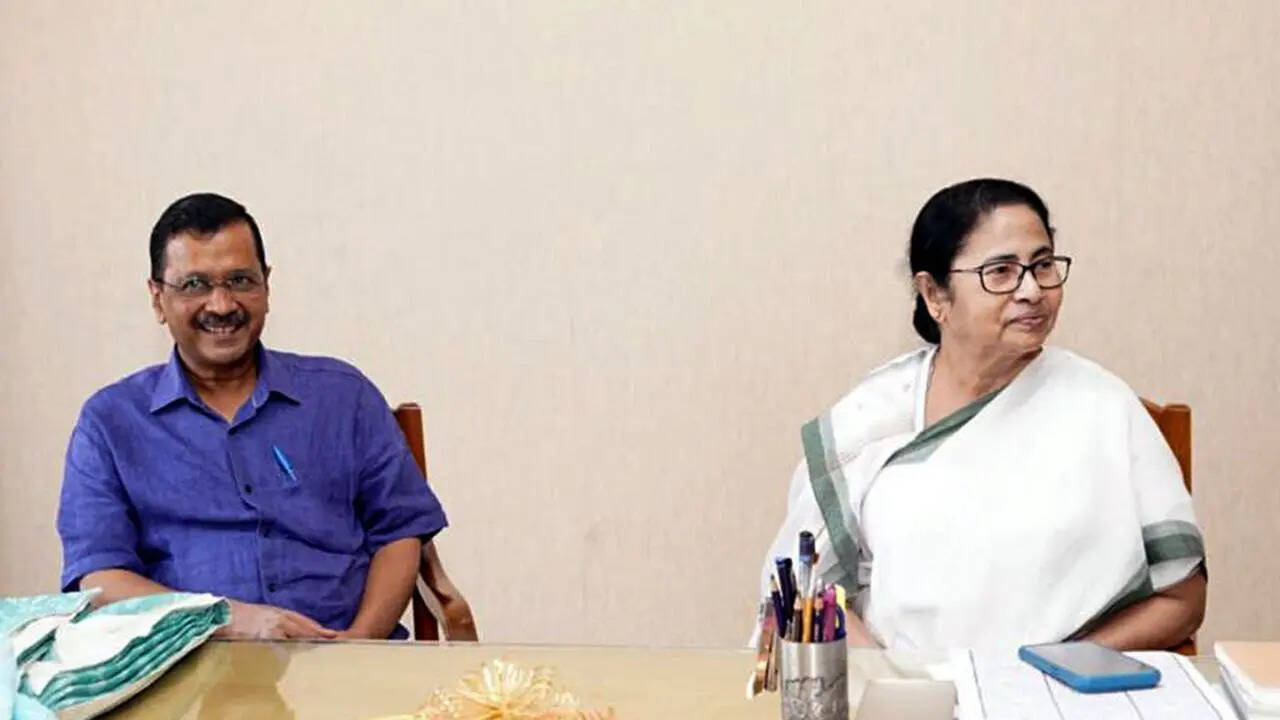
Arvind Kejriwal, the leader of the Aam Aadmi Party (AAP), has publicly shared his support for Mamata Banerjee as West Bengal prepares for its upcoming elections. Kejriwal stated that the West Bengal Chief Minister is currently facing one of the hardest political fights of her career. This move highlights the growing bond between opposition leaders who are trying to challenge the ruling Bharatiya Janata Party (BJP) on a national level. By standing together, these leaders hope to show a united front to voters across the country.
Main Impact
The primary impact of this announcement is the strengthening of the opposition alliance. When a major leader like Kejriwal supports Mamata Banerjee, it sends a message to voters that the opposition is not divided. This support could help influence undecided voters in West Bengal who are looking for a strong alternative to the BJP. It also puts more pressure on the ruling party, as they now have to face a more coordinated group of rivals instead of fighting small, separate battles in different states.
Key Details
What Happened
Arvind Kejriwal used his platform to speak about the political situation in West Bengal. He praised Mamata Banerjee for her courage and strength. He noted that the pressure she is facing from central authorities and rival political groups makes this election particularly tough. Kejriwal’s support is not just about words; it represents a shared goal among different state leaders to protect their regional power and push back against federal influence that they feel is too strong.
Important Numbers and Facts
The West Bengal assembly has 294 seats, making it one of the most important states in Indian politics. In previous elections, the fight has been mostly between the Trinamool Congress (TMC) and the BJP. By bringing the AAP’s voice into the mix, the opposition hopes to consolidate the "anti-BJP" vote. While the AAP does not have a large presence in Bengal, Kejriwal’s popularity in cities like Delhi and in the state of Punjab gives his endorsement significant weight in the national news cycle.
Background and Context
To understand why this matters, we have to look at the current state of Indian politics. For the past few years, several state-level parties have tried to work together. They often complain that the central government uses federal agencies to target them. Mamata Banerjee has been a very vocal critic of the central government for a long time. Similarly, Arvind Kejriwal has faced his own set of legal and political challenges in Delhi. Because they both feel they are being treated unfairly by the same opponents, they have found common ground. This "battle" Kejriwal mentions refers to the intense campaigning, the legal cases, and the high-energy rallies that define Bengal elections.
Public or Industry Reaction
The reaction to Kejriwal’s support has been mixed. Supporters of the TMC and AAP see this as a brave and necessary step toward unity. They believe that if regional leaders do not stand together, they will lose their influence one by one. On the other hand, critics from the BJP have dismissed the move. They argue that these leaders are only joining forces because they are afraid of losing. Some political experts say that while this support looks good in the news, it might not change how people in rural Bengal actually vote, as local issues often matter more than what leaders in Delhi say.
What This Means Going Forward
Looking ahead, we can expect to see more leaders from the "INDIA" bloc visiting West Bengal or sending messages of support. This could lead to a more organized campaign where parties agree not to cut into each other's votes. However, there are risks. If the alliance looks too much like a group of leaders just trying to save themselves, voters might not trust them. The next few weeks will be critical as the election dates get closer. We will see if this verbal support turns into actual help on the ground, such as shared rallies or joint advertisements.
Final Take
The political fight in West Bengal is about more than just who runs the state; it is a test for the future of the entire country's political direction. Arvind Kejriwal’s decision to back Mamata Banerjee shows that the opposition is willing to set aside their local differences to fight a bigger common rival. Whether this unity will be enough to win over the people of Bengal remains to be seen, but it certainly makes the race much more intense and interesting for everyone watching.
Frequently Asked Questions
Why did Arvind Kejriwal support Mamata Banerjee?
Kejriwal supports her to show opposition unity against the BJP. He believes she is fighting a very difficult battle against the central government's influence and wants to stand by her as a fellow regional leader.
Does the AAP have candidates in West Bengal?
The AAP does not have a major presence or many candidates in West Bengal. Their support is mostly symbolic and intended to help the Trinamool Congress (TMC) gather more votes against the BJP.
What makes the Bengal election so difficult?
The election is considered difficult because of the high stakes, the intense competition between the TMC and BJP, and the various legal and political challenges faced by local leaders during the campaign period.



