
Summary
NASA engineers recently discovered a technical problem with the toilet system on the Orion spacecraft. During testing for the upcoming Artemis II mission, a fan inside the waste management system jammed, causing the unit to stop working correctly. This issue is a major concern because the spacecraft will carry four astronauts on a trip around the Moon. Having a reliable way to handle human waste is essential for the health and comfort of the crew during their multi-day journey. NASA is now working to fix the glitch to ensure the mission can move forward safely.
Main Impact
The failure of a simple fan might seem like a small detail, but in the vacuum of space, it is a critical safety matter. Without a working fan, the toilet cannot create the suction needed to move waste away from the body in a weightless environment. This glitch highlights the high stakes of space hygiene and the difficulty of building machines that work perfectly in zero gravity. If the system fails while the astronauts are far from Earth, it could lead to unsanitary living conditions, potential health risks, and damage to the sensitive electronics inside the cabin. NASA must now decide if the system needs a simple repair or a more significant redesign before the launch.
Key Details
What Happened
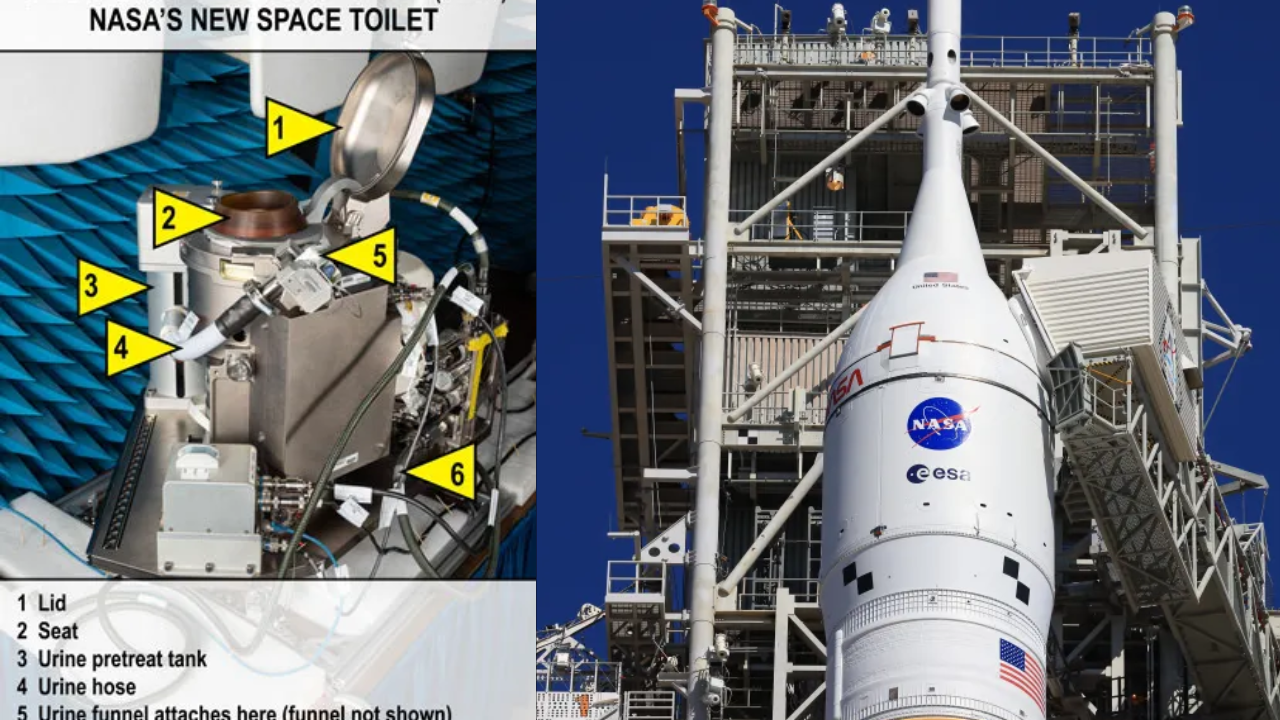
The problem occurred during ground tests of the Orion capsule’s Universal Waste Management System (UWMS). This system is a high-tech toilet designed to be smaller and lighter than the ones used on the International Space Station. During the test, a fan that pulls air and waste into the storage tank stopped spinning. Engineers found that the fan had jammed, which prevented the entire system from functioning. This type of failure is exactly what NASA tries to find during ground testing so that it does not happen while the crew is in space.
Important Numbers and Facts
The Artemis II mission is scheduled to carry four astronauts: three from the United States and one from Canada. The mission is expected to last approximately 10 days, during which the crew will travel thousands of miles past the Moon before returning to Earth. The Orion capsule provides about 330 cubic feet of living space, which is roughly the size of a large SUV. Because the space is so small, any failure in the waste system would be felt immediately by everyone on board. The toilet system itself cost millions of dollars to develop and was designed to be the most advanced version ever sent into deep space.
Background and Context
Going to the bathroom in space is much harder than it is on Earth. On our planet, gravity pulls waste down and away. In space, everything floats. To solve this, space toilets use powerful fans to create air flow. This air flow acts like a vacuum cleaner, pulling waste into a container where it can be stored or treated. The Orion spacecraft is the vehicle that will eventually take humans back to the Moon and later to Mars. Because these trips are long and the spacecraft is small, every piece of equipment must be incredibly reliable. In the past, early space missions used simple bags, but modern missions require more complex systems to keep the air clean and the crew healthy.
Public or Industry Reaction
Space experts and industry observers have noted that while a toilet glitch sounds funny to the public, it is a serious engineering challenge. Many former astronauts have shared stories about the difficulties of using space bathrooms, noting that a malfunction can ruin a mission. The general reaction from the space community is one of caution. Most agree that it is better to find these "bugs" now while the spacecraft is still on the ground. NASA has a history of being very open about these technical hurdles, as they want to ensure the public understands the risks and the hard work involved in moon exploration.
What This Means Going Forward
NASA engineers are currently taking the fan assembly apart to find the exact cause of the jam. They are looking for signs of "foreign object debris," which could be a tiny piece of metal or plastic that got stuck in the blades. Once they find the cause, they will likely perform more tests to make sure it does not happen again. This might involve changing how the fan is built or adding a filter to keep debris out. While this work is happening, NASA is still aiming for a launch in late 2025 or early 2026. If the fix takes too long, it could potentially push the launch date back further, as the agency will not fly a crew without a working bathroom.
Final Take
The success of a mission to the Moon depends on thousands of parts working together perfectly. While most people focus on the giant rockets and heat shields, small systems like the toilet fan are just as important for the people inside. This glitch serves as a reminder that space travel is difficult and that even the most basic human needs require advanced engineering. By solving this problem now, NASA ensures that the Artemis II crew can focus on their historic flight around the Moon without worrying about the equipment they rely on every day.
Frequently Asked Questions
Why does a space toilet need a fan?
In space, there is no gravity to pull waste down. A fan creates suction and air flow to move waste away from the body and into a storage container, keeping the cabin clean.
Will this glitch delay the Artemis II mission?
NASA is currently investigating the cause. While they hope to fix it quickly, they will not launch the mission until they are sure the system is safe and reliable for the crew.
How many people will use this toilet during the mission?
The Artemis II mission will have four crew members on board. They will rely on this single waste management system for the entire 10-day journey around the Moon.

