
Summary
The Artemis II mission has successfully launched, marking a historic moment as humans return to the vicinity of the Moon for the first time in over five decades. This mission carries a crew of four astronauts who will fly around the Moon to test the safety and systems of NASA’s new spacecraft. Shortly after reaching space, the crew sent a moving message back to Earth, noting that the "sun is rising" on their journey. This flight is the final major step before NASA attempts to land humans on the lunar surface once again.
Main Impact
The success of this launch proves that the years of planning and testing have paid off. By sending a crew into deep space, NASA is showing that its new rocket and capsule are ready for the challenges of long-distance travel. This mission is not just about flying past the Moon; it is about making sure that humans can live and work safely far away from Earth. It sets the stage for a permanent human presence on the Moon and eventually helps prepare for trips to Mars.
Key Details
What Happened
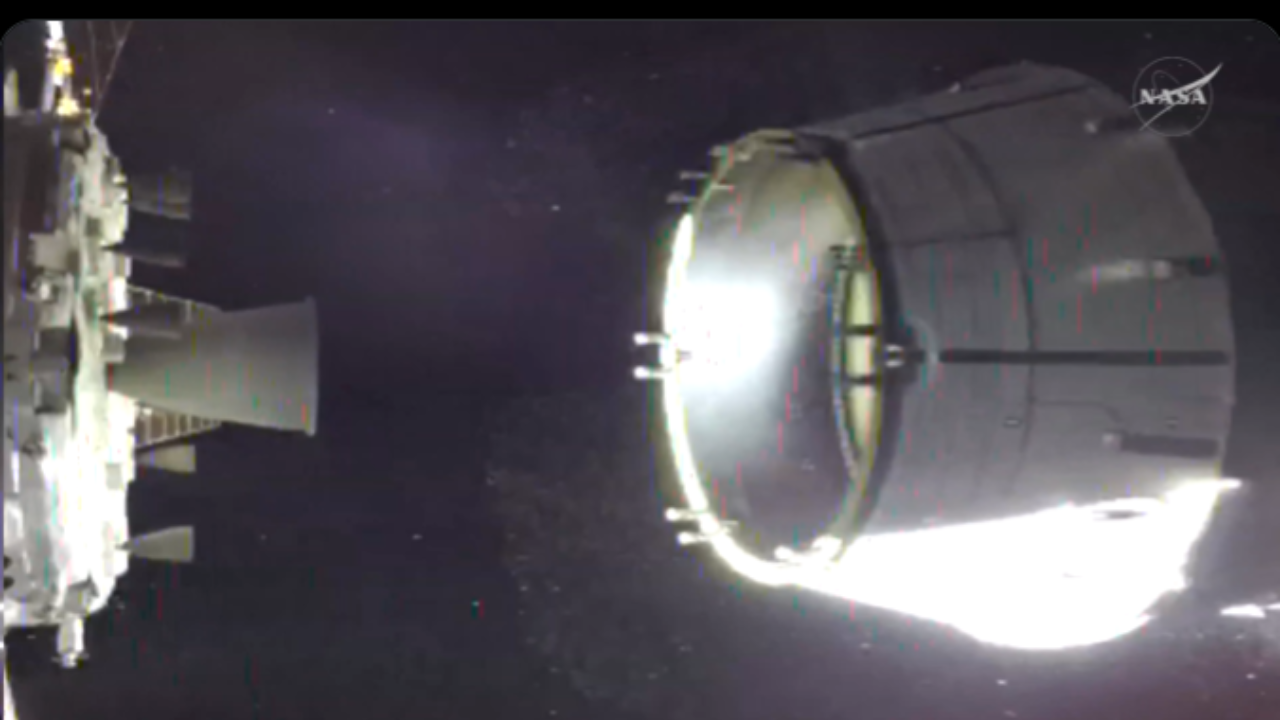
The massive Space Launch System rocket lifted off from the Kennedy Space Center, carrying the Orion spacecraft into the sky. After a smooth climb, the spacecraft separated from the rocket and began its journey toward the Moon. Once the crew was settled in, they looked out the windows to see the Earth getting smaller. It was during this time that the message about the rising sun and the ship's integrity was shared with mission control. The crew reported that all systems were working as expected and that the view was unlike anything they had ever seen.
Important Numbers and Facts
The Artemis II mission is scheduled to last about ten days. The crew consists of four experienced astronauts: Commander Reid Wiseman, Pilot Victor Glover, and Mission Specialists Christina Koch and Jeremy Hansen. They will travel thousands of miles beyond the far side of the Moon, reaching a point further than any human has traveled before. The spacecraft is designed to keep the crew safe from extreme radiation and the freezing cold of deep space. During the trip, the crew will perform several tests to see how the ship handles manual steering and life-support tasks.
Background and Context
The last time humans traveled to the Moon was during the Apollo 17 mission in 1972. For many years, human spaceflight was limited to low Earth orbit, where the International Space Station stays. The Artemis program is different because it aims to establish a long-term base on the Moon. This mission, Artemis II, follows the Artemis I flight, which was an uncrewed test of the rocket and ship. Now that people are on board, the stakes are much higher. NASA is working with international partners and private companies to make these missions possible, sharing the cost and the scientific discoveries.
Public or Industry Reaction
People all over the world watched the launch with great excitement. Space experts have praised the precision of the flight so far, noting that the rocket performed exactly as it was supposed to. Many people feel a sense of pride seeing a diverse crew represent humanity in deep space. In the space industry, this success is seen as a green light for future commercial projects, such as lunar mining and space tourism. Scientists are also eager to receive the data the crew will collect during their flight around the lunar far side.
What This Means Going Forward
Once the Artemis II crew returns safely to Earth, NASA will begin final preparations for Artemis III. That mission will be the one where humans actually step onto the Moon’s surface, including the first woman and the first person of color to do so. The data gathered during this current flight will help engineers fix any small issues with the Orion capsule’s air, water, and power systems. If everything continues to go well, we could see a human landing on the Moon within the next two years. This mission is the bridge between testing a machine and starting a new era of human exploration.
Final Take
The message sent from the spacecraft reminds us that space exploration is about more than just technology; it is about human spirit and working together. By successfully launching Artemis II, we have moved past the era of just dreaming about the Moon and have started the work of living there. The journey is far from over, but the first few hours of this mission have shown that the hardware and the people are ready for the challenge. The world is now waiting for the crew to complete their loop around the Moon and return home safely.
Frequently Asked Questions
Will the Artemis II crew land on the Moon?
No, this mission is a flyby. The crew will travel around the Moon and use its gravity to swing back toward Earth. They will test the ship's systems but will not touch the lunar surface.
How long will the astronauts be in space?
The mission is expected to last approximately ten days from launch to splashdown in the ocean. This gives the crew enough time to reach the Moon, circle it, and return.
Why is this mission called Artemis?
In Greek mythology, Artemis is the twin sister of Apollo. Since the first Moon missions were named Apollo, NASA chose Artemis to represent the return to the Moon with a new generation of explorers.

