Summary
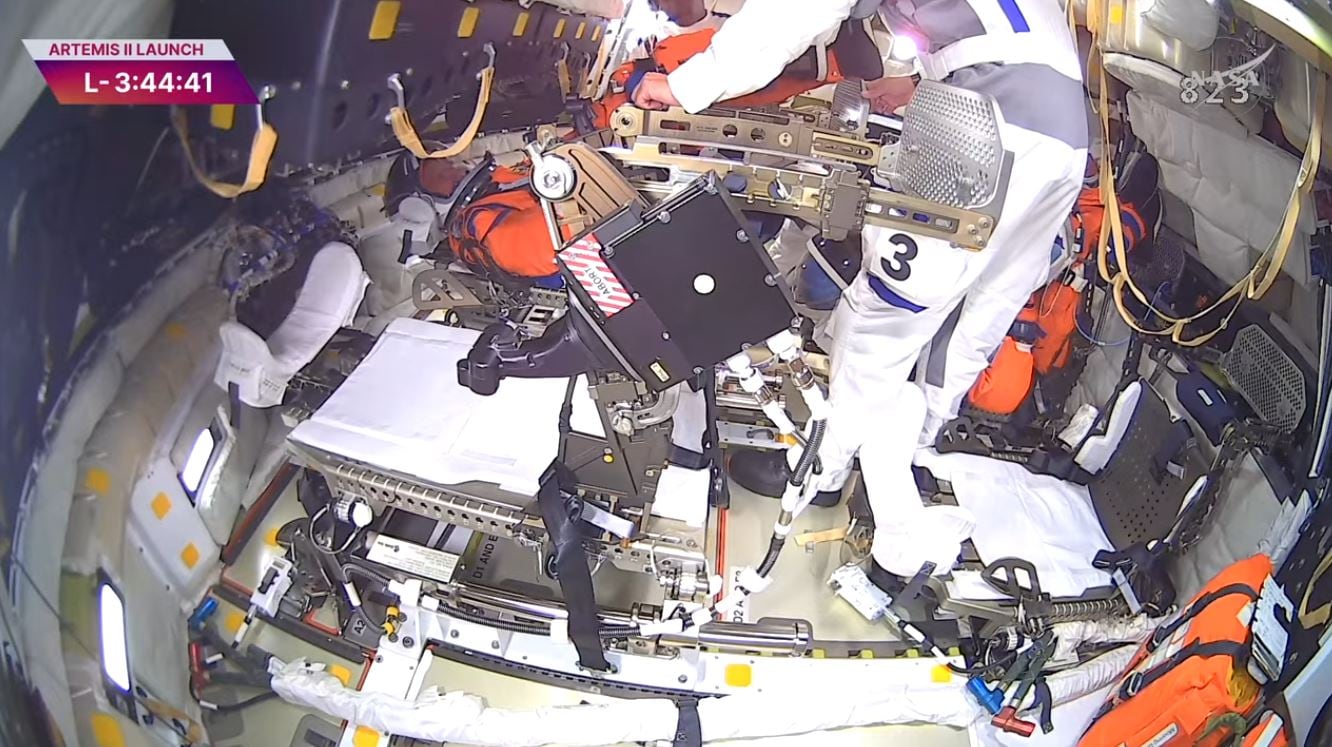
Four astronauts are currently sitting inside the Orion spacecraft at the Kennedy Space Center in Florida. They are preparing for the Artemis 2 mission, which will take them on a 10-day trip around the Moon. This is a historic moment because it is the first time humans have headed toward the Moon in more than 50 years. The crew will not land on the lunar surface, but they will fly around the far side of the Moon to test how the ship works with people on board. This mission is a major step toward building a permanent base where humans can live and work in space.
Main Impact
The Artemis 2 mission marks the return of human deep-space travel. For decades, astronauts have mostly stayed in low Earth orbit on the International Space Station. By sending a crew to the Moon, NASA is proving that its new technology is safe for long journeys. This mission also shows the power of international teamwork, as the crew includes both American and Canadian astronauts. If this flight is successful, it will clear the way for the next mission, which aims to put boots on the ground for the first time since 1972. It signals a new era where space travel is no longer just about visiting, but about staying.
Key Details
What Happened
The four crew members finished their final preparations and entered the Orion capsule several hours before the scheduled liftoff. They are strapped into their seats, performing final system checks with ground control. The atmosphere at the Kennedy Space Center is filled with excitement as the countdown continues. The mission is set to last 10 days, during which the crew will travel thousands of miles past the Moon before using gravity to swing back toward Earth. They will spend their time testing life support systems and communication tools to ensure everything works perfectly for future landing missions.
Important Numbers and Facts
The mission features a diverse and highly skilled crew. The team includes Americans Christina Koch, Reid Wiseman, and Victor Glover, along with Jeremy Hansen from Canada. They will live together in a space about the size of a large van. The rocket is scheduled to launch at 6:24 PM local time in Florida. This flight comes more than half a century after the last Apollo mission ended. During their trip, the astronauts will travel further from Earth than any human has gone in history, giving them a unique view of the lunar surface that few have ever seen in person.
Background and Context
The Artemis program is the modern successor to the Apollo missions of the 1960s and 70s. While Apollo was focused on winning a race to reach the Moon, Artemis has different goals. NASA wants to learn how to sustain human life on another world for long periods. To do this, they have built the Space Launch System (SLS), which is the most powerful rocket ever made, and the Orion capsule, designed specifically for deep space. This mission is the second part of the plan. The first part, Artemis 1, was an uncrewed flight that proved the rocket and ship could make the trip and return safely. Now, the goal is to see how the systems handle a human crew.
Public or Industry Reaction
The launch has drawn attention from leaders and people all over the world. President Donald Trump shared his support on social media, praising the astronauts and the hard work of NASA. He stated that the United States is leading the way in space exploration once again. Space experts are also watching closely, as the success of this mission is vital for the future of the space industry. Many people are excited to see high-quality photos and videos from the far side of the Moon, which the crew will capture during their journey. The global interest shows that the Moon still captures the imagination of people everywhere.
What This Means Going Forward
Once the Artemis 2 crew returns safely to Earth, NASA will begin the final preparations for Artemis 3. That mission will be the one that actually lands people on the lunar surface, including the first woman and the first person of color to walk on the Moon. The data gathered during these 10 days will help engineers fix any small problems with the Orion capsule. In the long run, the Moon will serve as a testing ground. Lessons learned there will eventually help humans travel even further, with the ultimate goal of sending a crewed mission to Mars in the coming decades.
Final Take
This mission is more than just a flight; it is a sign that humanity is ready to explore the stars again. By moving beyond Earth's orbit, these four astronauts are opening a door for future generations. The technology being tested today will become the foundation for how we live and work in space tomorrow. As the world watches the countdown, it is clear that the journey to the Moon is just the beginning of a much larger story for all of mankind.
Frequently Asked Questions
Will the astronauts land on the Moon during Artemis 2?
No, the Artemis 2 mission is a flyby. The crew will orbit the Moon and return to Earth to test the spacecraft's systems, but they will not walk on the surface.
How long will the mission last?
The entire journey is expected to take about 10 days from the time of launch until the capsule splashes down in the ocean.
Who is on the crew?
The crew consists of four people: Commander Reid Wiseman, Pilot Victor Glover, and Mission Specialists Christina Koch and Jeremy Hansen.