Summary
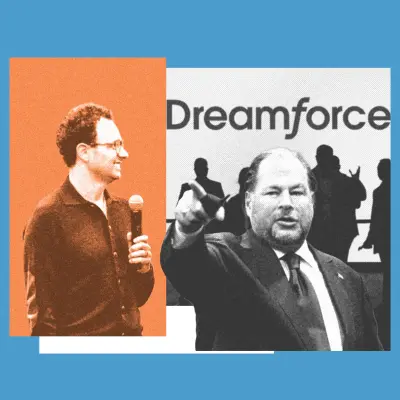
Jack Clark, the co-founder of the AI company Anthropic, recently confirmed that his team has been in close contact with the Trump administration. Speaking at the Semafor World Economy Summit, Clark noted that the company provided briefings on a project known as Mythos. This news is surprising to many because Anthropic is currently in the middle of a legal battle against the U.S. government. The situation highlights the complicated relationship between major technology firms and federal regulators in the current political climate.
Main Impact
The decision to brief the government while simultaneously suing it shows a new strategy in the tech world. Anthropic is trying to protect its legal interests without losing its seat at the table where policy is made. By sharing details about Mythos, the company ensures that the White House understands its technology. This move suggests that for AI companies, national security and policy influence are just as important as winning a court case. It also shows that the government remains deeply interested in the inner workings of powerful AI systems, regardless of ongoing legal disputes.
Key Details
What Happened
During an interview at the Semafor World Economy Summit, Jack Clark was asked about the company's relationship with the current administration. He explained that Anthropic felt it was necessary to keep government officials informed about their latest developments. The project mentioned, Mythos, represents a significant step in Anthropic’s work. Clark defended the choice to communicate with the government, even as the company fights federal mandates in court. He argued that the safety and future of AI are too important to ignore, even when legal disagreements exist.
Important Numbers and Facts
Anthropic is currently valued as one of the most important AI labs in the world, often compared to OpenAI and Google. The briefings with the Trump administration took place as the government looks to set new rules for how AI is built and used. While the specific details of the lawsuit were not the main focus of the summit, the fact that Anthropic is suing the government while providing high-level briefings is a rare occurrence in the business world. This dual approach is part of a broader trend where tech giants try to balance innovation with strict government oversight.
Background and Context
To understand why this matters, it is helpful to look at how AI companies operate. Anthropic was started by former OpenAI employees who wanted to focus more on safety and reliability. Because of this focus, the company has always tried to be a responsible partner to the public. However, as the U.S. government introduces more rules, companies like Anthropic feel that some regulations might hurt their ability to compete. This has led to a "push and pull" relationship. On one hand, the government wants to control AI to prevent risks. On the other hand, companies want the freedom to build new tools quickly. Mythos appears to be a central part of this conversation, representing the next generation of AI capabilities that the government is eager to monitor.
Public or Industry Reaction
The reaction from the tech industry has been mixed. Some experts believe that Anthropic is doing the right thing by staying in contact with the White House. They argue that if a company stops talking to the government, it loses the chance to help write the rules that will govern the industry. Others are more skeptical, wondering if these briefings give the government too much power over private innovation. Within the legal community, lawyers are watching the situation closely to see if the briefings will affect the ongoing lawsuit. Most agree that this shows how essential AI has become to national interests, making it impossible for companies to completely walk away from the government.
What This Means Going Forward
Looking ahead, we can expect more companies to follow this path. The days of tech companies working in total isolation are over. As AI becomes more powerful, the government will likely demand more transparency. Anthropic’s actions suggest that "coopetition"—a mix of cooperation and competition—will be the standard way of doing business. The outcome of the Mythos briefings could set a pattern for how other AI labs share their secrets with officials. If these talks lead to better safety rules, it could be a win for the public. However, if the legal battle turns sour, it could create a deeper divide between Silicon Valley and Washington, D.C.
Final Take
The relationship between Anthropic and the Trump administration is a clear sign that AI is no longer just a private business matter. It is now a core part of how a country functions. By briefing the government on Mythos while fighting them in court, Anthropic is playing a high-stakes game. They are proving that in the world of advanced technology, you must be willing to talk to your rivals and your regulators at the same time to stay ahead.
Frequently Asked Questions
What is Mythos?
Mythos is a project or model developed by Anthropic. While full details are not public, it is a major part of the company's current work that they felt was important enough to share with government officials.
Why is Anthropic suing the government?
Anthropic is involved in legal action to challenge certain regulations or mandates that they believe are unfair or harmful to the development of AI technology.
Who is Jack Clark?
Jack Clark is a co-founder of Anthropic. He is a well-known figure in the AI industry and often speaks about the balance between building powerful technology and ensuring it remains safe for the public.