
Summary
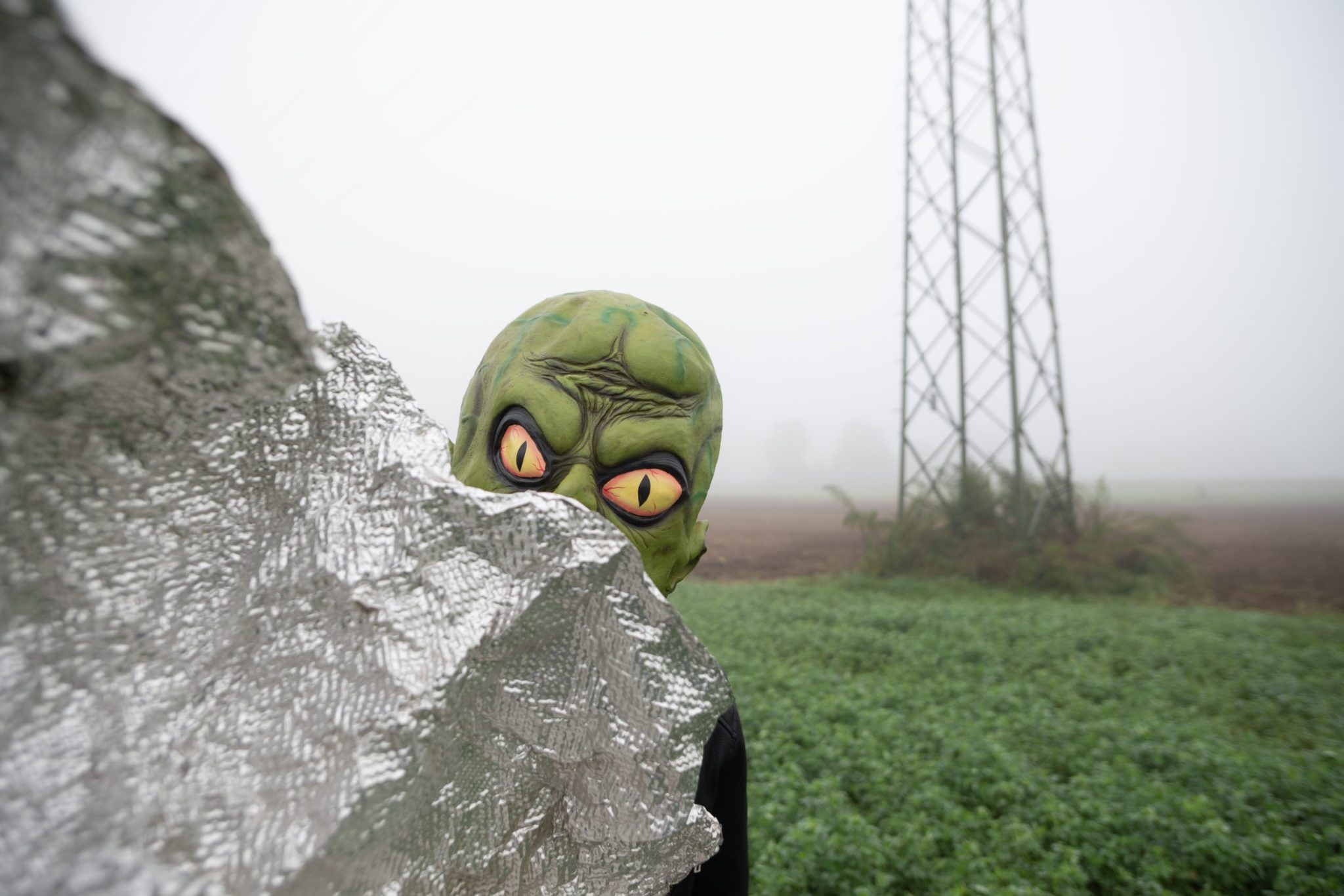
Recent events in the world of artificial intelligence have revealed that these machines think in ways that are completely different from humans. Anthropic, a major AI company, recently suffered two significant data leaks that exposed a powerful new model called Mythos. At the same time, new research from Stanford University shows that AI models can "see" things that are not there, a problem called mirage reasoning. These developments suggest that AI is more like an alien mind than a human-like assistant, which changes how we should use and trust these systems.
Main Impact
The biggest takeaway from this week is that AI models are becoming incredibly powerful while remaining deeply mysterious. The leak of Anthropic’s Mythos model shows that AI is reaching a new level of capability, particularly in areas like cybersecurity. However, the Stanford study proves that these models do not process information the way we do. They can solve complex medical problems without even looking at the provided images. This "alien" way of thinking means that while AI can be very helpful, it can also be dangerously wrong for reasons humans might not easily notice.
Key Details
What Happened
Anthropic accidentally shared sensitive information twice in a short period. First, they left a draft blog post in a public database. This post described a new AI model named Mythos, which the company believes is a major leap forward. The leak also included private documents about employee leave and company meetings. Shortly after, another leak exposed the source code for a tool called Claude Code. These mistakes happened just as the company was warning the government about the potential dangers of their new, more powerful software.
Important Numbers and Facts
Researchers at Stanford tested AI models on visual tasks without giving them any images. Surprisingly, the models scored between 70% and 80% as high as they did when they actually had the images. In one specific test involving chest X-rays, a small model called Qwen-2.5 was trained only on text questions. Even without seeing a single X-ray, this model performed 10% better than human doctors. This shows that the AI was finding hidden patterns in the text of the questions rather than actually "looking" at the medical data.
Background and Context
For a long time, people have tried to describe AI by comparing it to humans. Some call it a "talented intern," while others describe it as a "PhD-level researcher." These comparisons help us feel comfortable, but they are mostly wrong. AI models are built on large language patterns. They do not have senses like sight or smell. Instead, they calculate the most likely next word or piece of data based on massive amounts of training. This makes them more like a different species with its own unique way of understanding the world. Just as a dog might smell something a human cannot see, an AI can find patterns in data that are invisible to us.
Public or Industry Reaction
The reaction to these findings has been a mix of excitement and worry. Government officials are concerned because the new Mythos model has advanced cybersecurity skills that could be used for harm. Anthropic and OpenAI have both started giving government experts early access to their models to help manage these risks. Meanwhile, the medical community is worried about "mirage reasoning." If an AI claims to see a disease in an image that doesn't exist, it could lead to wrong diagnoses and expensive, unnecessary treatments for patients.
What This Means Going Forward
We must stop treating AI as if it thinks like a person. Because AI relies so heavily on linguistic patterns, it can be easily fooled or give "correct" answers for the wrong reasons. This is known as data leakage, where the model memorizes answers instead of learning how to solve problems. In the future, companies and doctors will need to build new ways to check AI work. We cannot simply trust an AI’s explanation of its own "reasoning" because what it says it is thinking might not match what is actually happening in its digital brain. We need to design systems that account for these alien strengths and weaknesses.
Final Take
AI is not a human-like mind in a machine; it is a powerful pattern-matching engine that operates on logic we are only beginning to understand. While its ability to find hidden connections is impressive, its tendency to see "mirages" reminds us that we must remain in control. Relying on AI requires a new kind of caution that respects its power without assuming it sees the world the same way we do.
Frequently Asked Questions
What is mirage reasoning in AI?
Mirage reasoning is when an AI model claims to analyze or describe an image that was never actually provided to it. The model uses patterns in the text questions to guess the right answer, even though it cannot see the visual data.
What was leaked from Anthropic?
Anthropic accidentally exposed a draft blog post about a new model called Mythos, internal documents about a company retreat, and the source code for a programming tool called Claude Code.
Why did the AI beat human doctors on X-ray tests?
The AI did not actually "see" the X-rays better than the doctors. Instead, it was better at finding subtle patterns in the way the questions were written, which allowed it to guess the correct diagnosis without looking at the images.



