Summary
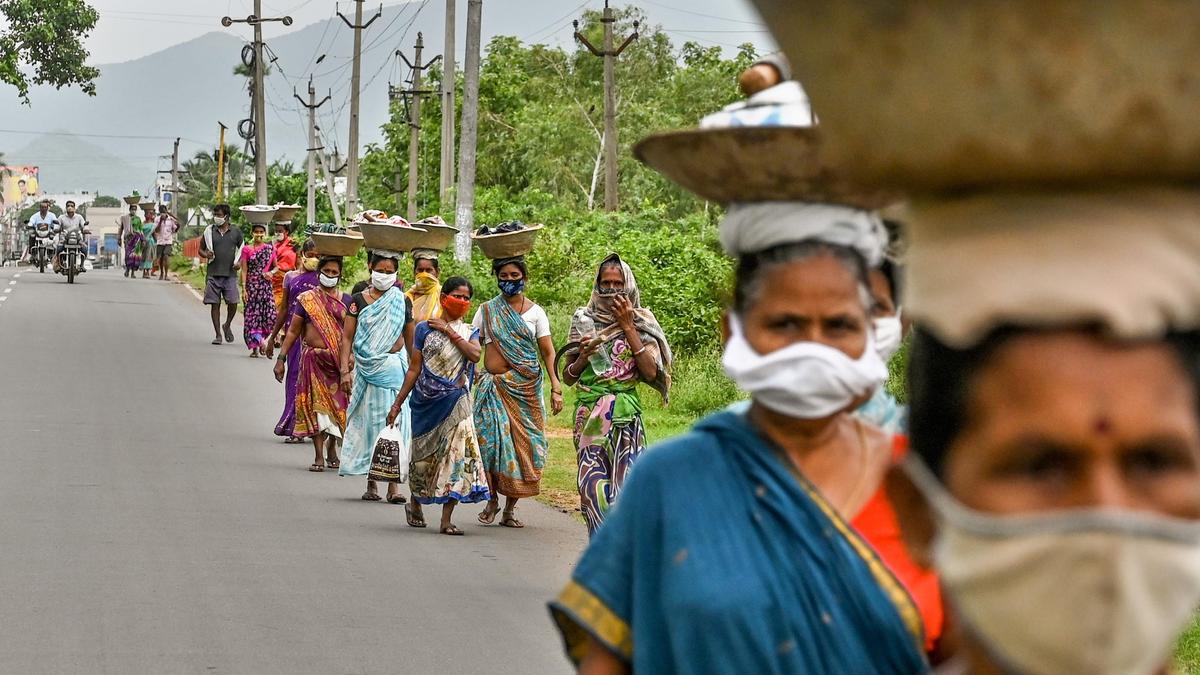
Andhra Pradesh has reported its lowest performance in the national rural employment scheme since the state was divided in 2014. Recent data shows a sharp drop in the amount of work provided, the number of people participating, and the total wages paid to workers. This decline has created a difficult situation for rural families who depend on this program for their daily needs. The most affected groups are those from vulnerable communities, who have seen a significant portion of their yearly income disappear.
Main Impact
The shrinking of the Mahatma Gandhi National Rural Employment Guarantee Act (MGNREGA) program in Andhra Pradesh is a major blow to the rural economy. When the program fails to provide enough work, it directly reduces the spending power of villagers. This leads to a cycle of poverty where families struggle to buy food, pay for healthcare, or fund their children's education. The most striking impact is the massive loss of wages, which has hit the poorest sections of society the hardest, making it difficult for them to maintain a basic standard of living.
Key Details
What Happened
The performance of the rural job program has reached a record low. Since the state of Andhra Pradesh was reorganized ten years ago, the program has usually been a reliable safety net. However, recent figures show that the workforce is getting smaller and the total number of working days has fallen. This means that even people who want to work are not finding enough opportunities through the scheme. The reduction in work hours has led to a direct drop in the total money distributed as wages across the state.
Important Numbers and Facts
The financial data reveals a troubling trend for the state's rural population. Total wage spending has decreased significantly, and a large portion of this loss is concentrated among specific groups. Scheduled Caste (SC) and Scheduled Tribe (ST) households have lost a total of ₹484 crore in wages. This amount represents about 40% of the total decline in wage spending across the entire state. These figures highlight that the burden of the program's poor performance is not shared equally, as the most marginalized families are losing the most money.
Background and Context
MGNREGA is a federal law in India that guarantees at least 100 days of manual work every year to every rural household that asks for it. It was designed to help people survive during times when there are no farming jobs available. In Andhra Pradesh, this program has been very important since the state bifurcation in 2014. After the split, many rural areas faced economic challenges, and the job scheme helped keep families afloat. When the program performs poorly, it suggests that the safety net is weakening, leaving many people without a backup plan for income.
Public or Industry Reaction
Social activists and experts who study rural labor are concerned about these new numbers. Many believe that the drop in work is not because people do not want to work, but because the system is becoming harder to use. There have been reports of technical issues with digital attendance and delays in paying wages. Critics argue that if the government does not fix these administrative problems, more people will stop trying to get work through the scheme. Community leaders from SC and ST groups have also expressed worry, noting that the loss of nearly ₹500 crore in wages will lead to more debt and hardship in their neighborhoods.
What This Means Going Forward
If the trend of shrinking work and income continues, Andhra Pradesh may see more people moving from villages to cities in search of jobs. This movement, often called migration, can break up families and put pressure on city resources. The state government will need to look closely at why the program is failing to reach those who need it most. There is an urgent need to simplify the process for getting work and to ensure that wages are paid on time. Without these changes, the rural economy could face a long-term crisis that will be hard to reverse.
Final Take
The current state of the rural employment program in Andhra Pradesh is a warning sign for the local economy. The sharp decline in wages, especially for SC and ST households, shows that the most vulnerable people are losing their primary source of support. For the state to grow fairly, it must ensure that its most basic job programs are working effectively for everyone. Protecting the income of rural workers is not just about numbers; it is about ensuring that every family has the means to survive and thrive.
Frequently Asked Questions
What is MGNREGA and why is it important?
It is a government program that gives rural families 100 days of guaranteed manual work each year. It is important because it provides a steady income for people who cannot find other jobs in their villages.
Why did SC and ST households lose so much money?
These households often rely more heavily on the program for their income. When the total amount of work available in the state dropped, these families were hit the hardest, accounting for 40% of the total wage loss.
What happens if the program continues to perform poorly?
If the program does not improve, rural poverty may increase, and more people will be forced to leave their villages to find work in big cities, which can lead to social and economic stress.