
Summary
Andhra Pradesh is getting ready for a very hot summer as temperatures across the state begin to climb. The state Health Minister recently held a high-level meeting to review how prepared the health department is for the coming months. To help manage the heat, the government will use a new digital tool called the Advanced Warning Advisory for Resilient Ecosystem (AWARE). This system will provide data on how severe the heat is in different regions, allowing officials to take quick action in areas where people are most at risk.
Main Impact
The primary goal of this new plan is to protect public health and prevent deaths caused by extreme heat. By using the AWARE system, the government can move away from just reacting to heatwaves and instead start preparing for them before they arrive. This data-driven approach helps the health department send resources, such as medicine and extra staff, to the hottest parts of the state. It also ensures that hospitals are not caught off guard when the number of heat-related cases starts to rise.
Key Details
What Happened
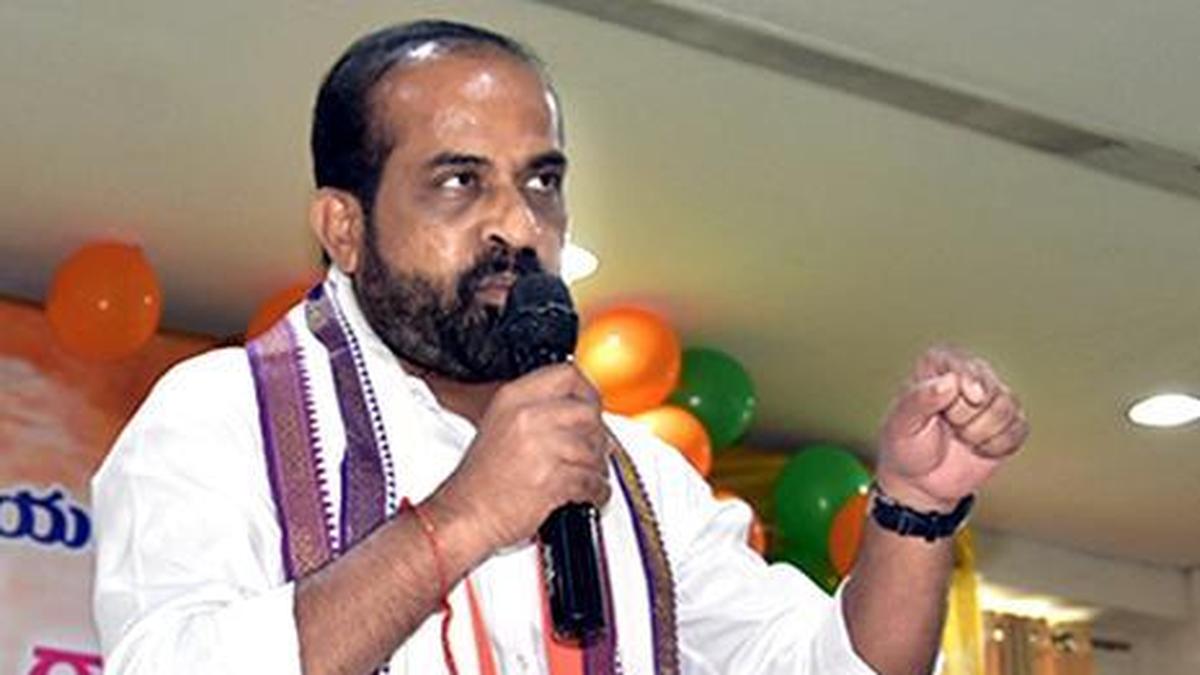
The Health Minister met with top health officials to discuss the rising mercury levels. During the meeting, he stressed that every district must have a clear plan to handle heat-related illnesses. The department will now use the AWARE system to gather real-time data on temperature severity. This information will be used to identify "vulnerable areas"—places where the heat is highest or where people are most likely to get sick. The Minister instructed officials to make sure that all health centers have the supplies they need to treat patients immediately.
Important Numbers and Facts
The state government is focusing on several key areas to manage the summer heat. First, they are setting up dedicated "heat stroke rooms" in government hospitals. These rooms are equipped with cooling equipment and special beds. Second, the department is ensuring a large supply of Oral Rehydration Salts (ORS) and IV fluids are available at all primary health centers. Officials are also monitoring daily temperature reports from every district to track which areas are crossing the danger mark. The AWARE system will play a central role in this by providing early warnings that can be shared with the public.
Background and Context
Andhra Pradesh is known for having very intense summers, with temperatures often going above 40 degrees Celsius in many districts. In the past, these heatwaves have led to serious health problems, especially for people who work outdoors, like farmers and construction workers. Children and the elderly are also at high risk. As global temperatures rise, heatwaves are becoming more frequent and lasting longer. This makes it necessary for the government to use better technology to keep people safe. The introduction of the AWARE system is a step toward using modern science to solve long-standing weather challenges in the state.
Public or Industry Reaction
Health experts and doctors have welcomed the move to use a digital warning system. They believe that having accurate data will help save lives by allowing for better timing of public health warnings. Many people living in the hotter inland districts have expressed relief that the government is starting its preparations early this year. Local community leaders are also asking the government to provide more drinking water stations in public places, such as bus stands and markets, to help people stay hydrated while they are out during the day.
What This Means Going Forward
Looking ahead, the use of the AWARE system could change how Andhra Pradesh handles all types of extreme weather. If this summer’s plan is successful, the state might expand the use of such technology to track other issues like heavy rains or disease outbreaks. The government also plans to increase its public awareness campaigns. They want to teach more people about the early signs of heat exhaustion, such as dizziness and heavy sweating, so they can seek help before it becomes a medical emergency. The focus will remain on building a health system that can handle the pressures of a changing climate.
Final Take
Staying safe during a harsh summer requires both government action and public awareness. By using the AWARE system and preparing hospitals early, Andhra Pradesh is taking a strong stand against the dangers of extreme heat. The success of this plan will depend on how quickly the data can be turned into action on the ground. For now, the state is moving in the right direction to ensure that its citizens are protected from the rising temperatures.
Frequently Asked Questions
What is the AWARE system used for?
The AWARE system is a digital tool used to gather data on temperature severity. It helps the government identify which areas are facing the most dangerous heat levels so they can provide help quickly.
How are hospitals preparing for the heat?
Hospitals are setting up special rooms for heat stroke patients. They are also making sure they have plenty of ORS packets, IV fluids, and cooling equipment ready for use.
Who is most at risk during a heatwave?
People who work outside, the elderly, and young children are at the highest risk. The government advises everyone to stay indoors during the hottest part of the day and drink plenty of water.

