Summary
The government of Andhra Pradesh has introduced a new way to measure the success of its local leaders. Chief Minister N. Chandrababu Naidu announced that District Collectors will now be ranked based on their ability to attract investments and create capital. This plan aims to turn every district into a hub for business and economic growth. By creating a competitive environment, the state hopes to speed up development and create more jobs for its citizens.
Main Impact
This new policy changes the traditional role of a District Collector. Usually, these officials focus on law, order, and basic administration. Now, they are expected to act like business development managers. The main impact is a shift toward economic performance. Districts that successfully bring in new factories, offices, and infrastructure will receive higher rankings. This pressure is expected to reduce red tape and make it easier for companies to start operations in the state.
Key Details
What Happened
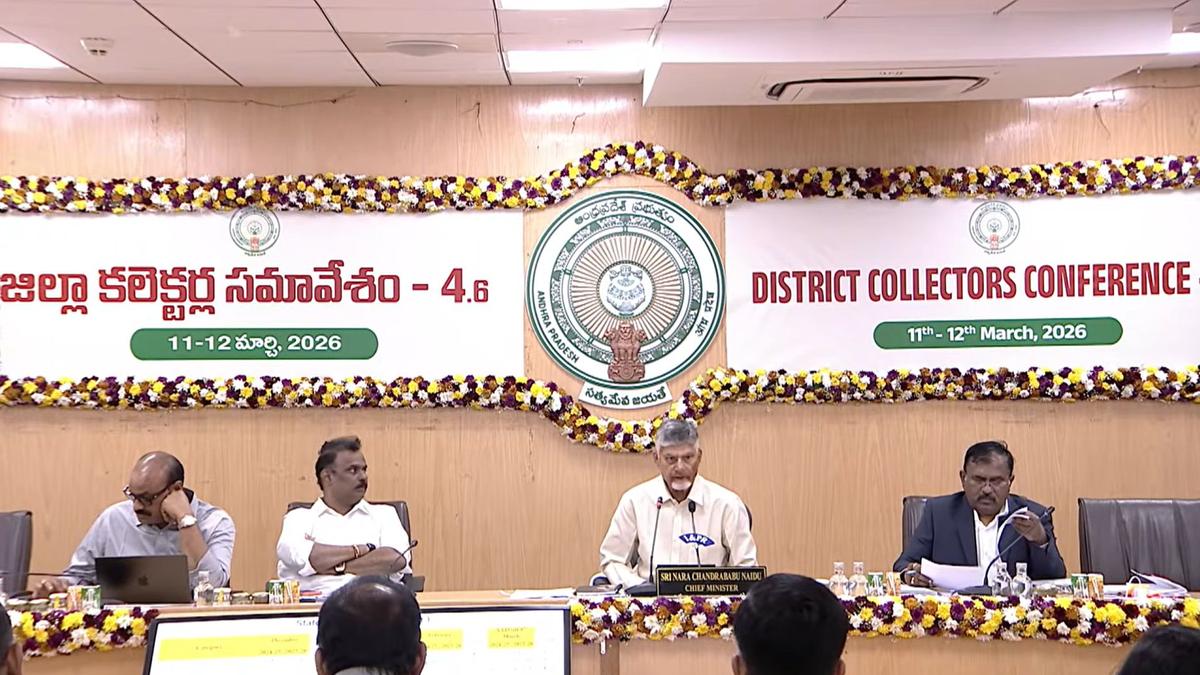
Chief Minister N. Chandrababu Naidu held a high-level meeting with state officials to discuss the future of the state's economy. During this meeting, he made it clear that the performance of District Collectors would no longer be judged only by routine tasks. Instead, a formal ranking system will be used. These ranks will be based on "capital creation," which means the total value of new businesses and assets built within a district. The Chief Minister believes that this competition will motivate leaders to work harder to find and help investors.
Important Numbers and Facts
The ranking system will look at several specific data points. These include the number of new jobs created, the total amount of money invested by private companies, and the speed at which land is cleared for industrial use. While the exact weight of each category is being finalized, the focus remains on high-value projects. The state has 26 districts, and each one will be compared against the others. This data will be reviewed regularly to ensure that progress does not slow down. The government wants to see a direct link between administrative work and financial growth.
Background and Context
Andhra Pradesh has been working to rebuild its economy for several years. Since the state was divided years ago, there has been a strong need to develop new industrial centers. Chief Minister Naidu is well-known for his focus on technology and business. In the past, he played a major role in making the region a destination for global IT companies. Now, he wants to bring that same success to every corner of the state. By involving District Collectors directly, the government is trying to solve local problems that often stop big companies from moving in, such as land disputes or lack of electricity.
Public or Industry Reaction
Business groups have welcomed this move. Many company owners say that dealing with local government offices can often be the hardest part of starting a new project. If Collectors are ranked on their success, they are more likely to help businesses instead of slowing them down. On the other hand, some government officials are concerned about the high pressure. They argue that some districts naturally have more resources, like ports or better roads, which might make it easier for them to win. However, the general public is hopeful that this will lead to more local jobs, meaning young people will not have to move to other states for work.
What This Means Going Forward
In the coming months, we can expect to see a lot of activity in the districts. Collectors will likely set up special teams to talk to investors and show them the benefits of their specific areas. There may also be a push to improve local infrastructure, such as better roads and more reliable water supplies, to make districts more attractive. The state government will likely publish these rankings openly, which adds a level of public accountability. If a district consistently ranks low, it may lead to changes in leadership or a rethink of how that area is being managed.
Final Take
This strategy turns governance into a race for growth. By linking the career success of officials to the economic health of their districts, the state is making sure that everyone is working toward the same goal. It is a bold move that treats the state more like a corporation and less like a slow-moving bureaucracy. If it works, Andhra Pradesh could see a significant rise in new industries and a much stronger economy in the next few years.
Frequently Asked Questions
How will the districts be ranked?
Districts will be ranked based on the amount of new investment they attract, the number of jobs created, and how quickly they help businesses set up their operations.
Why is the Chief Minister doing this?
The goal is to encourage competition between districts to speed up economic growth and ensure that every part of the state benefits from new businesses.
What does "capital creation" mean in this context?
It refers to building things that have long-term value, such as factories, power plants, and technology parks, which help the state earn more money over time.