
Summary
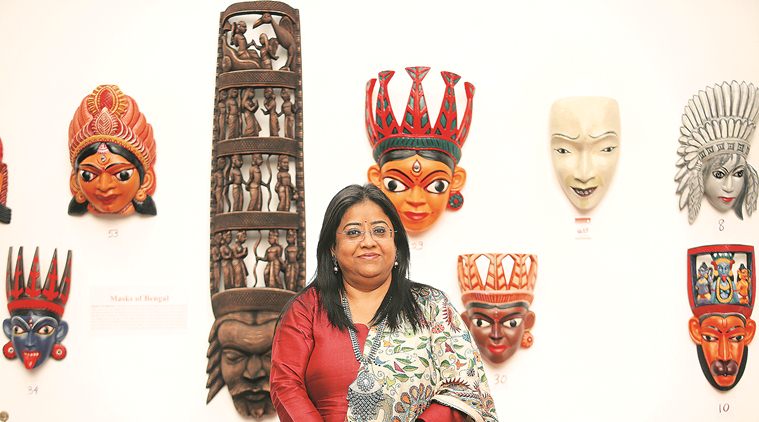
Artist Sharmila Sen has launched a new exhibition that focuses on the ancient art of mask-making. The project aims to protect and revive traditional heritage that is at risk of being forgotten. By bringing these masks into a modern gallery, Sen helps people connect with the history and stories of rural communities. This exhibition serves as a bridge between old customs and the modern world.
Main Impact
The primary impact of this exhibition is the renewed attention it brings to folk art. Many traditional crafts are disappearing because younger generations are moving away from village life. Sharmila Sen’s work gives these traditions a new life by showing them to a wider, urban audience. This not only preserves the physical art of mask-making but also supports the rural artisans who keep these skills alive. It proves that ancient traditions can still be relevant and exciting in today’s society.
Key Details
What Happened
Sharmila Sen spent a long time traveling to different parts of the country to study how masks are made. She worked closely with local craftsmen to understand the spiritual and social meaning behind each piece. The exhibition features a variety of masks used in folk dances and religious rituals. Instead of just showing the masks as static objects, the exhibition explains the dances and stories they are part of. This helps visitors understand that these masks are tools for storytelling and community bonding.
Important Numbers and Facts
The exhibition showcases dozens of unique masks, some of which represent traditions that are hundreds of years old. Many of the pieces are made from the wood of the Gamari tree, which is known for being easy to carve but very durable. Other masks are made using clay, cloth, and paper-mâché. The artists use natural dyes made from plants and minerals rather than chemical paints. This commitment to traditional materials ensures that the art remains authentic and environmentally friendly. The collection includes masks from well-known traditions like Chhau and Gomira, which are famous for their bold colors and intense expressions.
Background and Context
In many parts of India, masks have been used for centuries in theater, dance, and worship. They are not just decorations; they are seen as sacred objects. When a dancer puts on a mask, they are believed to take on the spirit of a god, an animal, or a legendary hero. However, as modern movies and the internet become more popular, these traditional performances are happening less often. Many master mask-makers are finding it hard to earn a living. Sharmila Sen’s work is part of a larger movement to save these "dying arts" by finding new ways to present them to the public. She believes that if people understand the skill required to make a mask, they will value the culture more.
Public or Industry Reaction
The reaction to the exhibition has been very positive. Art lovers have praised the vibrant colors and the detailed carving of the wooden masks. Many visitors have said they were surprised to learn about the deep history behind the objects. Critics have noted that Sen’s approach is respectful because she does not try to change the traditional styles. Instead, she highlights the natural beauty of the original designs. Local artisans have also expressed their happiness, as the exhibition brings more interest to their villages and their work. This interest can lead to more sales and better financial security for the craftsmen.
What This Means Going Forward
This exhibition is a step toward a more sustainable future for folk art. It shows that there is a market for traditional crafts if they are presented well. Moving forward, there may be more opportunities for these masks to be featured in international galleries or used in modern interior design. This could provide a steady income for rural artists. Additionally, the project encourages younger people in these communities to take pride in their heritage and continue learning the craft from their elders. The goal is to ensure that the art of mask-making does not become a thing of the past but remains a living, breathing part of the culture.
Final Take
Sharmila Sen’s exhibition is a powerful reminder that history is not just found in books. It is found in the hands of the people who carve wood and paint clay. By bringing these masks to the public, she is helping to keep a vital part of human identity alive. Her work shows that while the world changes quickly, the stories told through these ancient faces are still worth hearing today. Protecting this heritage is not just about saving objects; it is about saving the soul of a community.
Frequently Asked Questions
What is the main goal of Sharmila Sen's mask exhibition?
The main goal is to revive and preserve traditional mask-making heritage by introducing it to a modern audience and supporting rural artisans.
What materials are used to make these traditional masks?
The masks are made using natural materials like wood from the Gamari tree, clay, cloth, and paper-mâché, along with natural dyes made from plants.
Why are these masks important to local cultures?
These masks are used in sacred rituals and folk dances. They allow performers to tell stories and represent gods or heroes, making them a key part of community identity.



