
Summary
Archaeologists in the Bhandara district of Maharashtra have uncovered a burial site that dates back 2,500 years. The site belongs to the Megalithic period and contains several stone circles used for ancient funerals. One of the most unusual parts of this find is the presence of pottery placed upside down inside the graves. This discovery offers a rare look into the rituals and daily lives of people living in Central India during the Iron Age.
Main Impact
This discovery is significant because it adds a new chapter to the history of the Vidarbha region. Finding burial sites with such specific features helps experts understand the social and religious habits of ancient communities. The "upside-down" pots are particularly interesting because they suggest a specific belief system regarding death and the afterlife. This find confirms that the area was a major center for human activity long before modern records began.
Key Details
What Happened
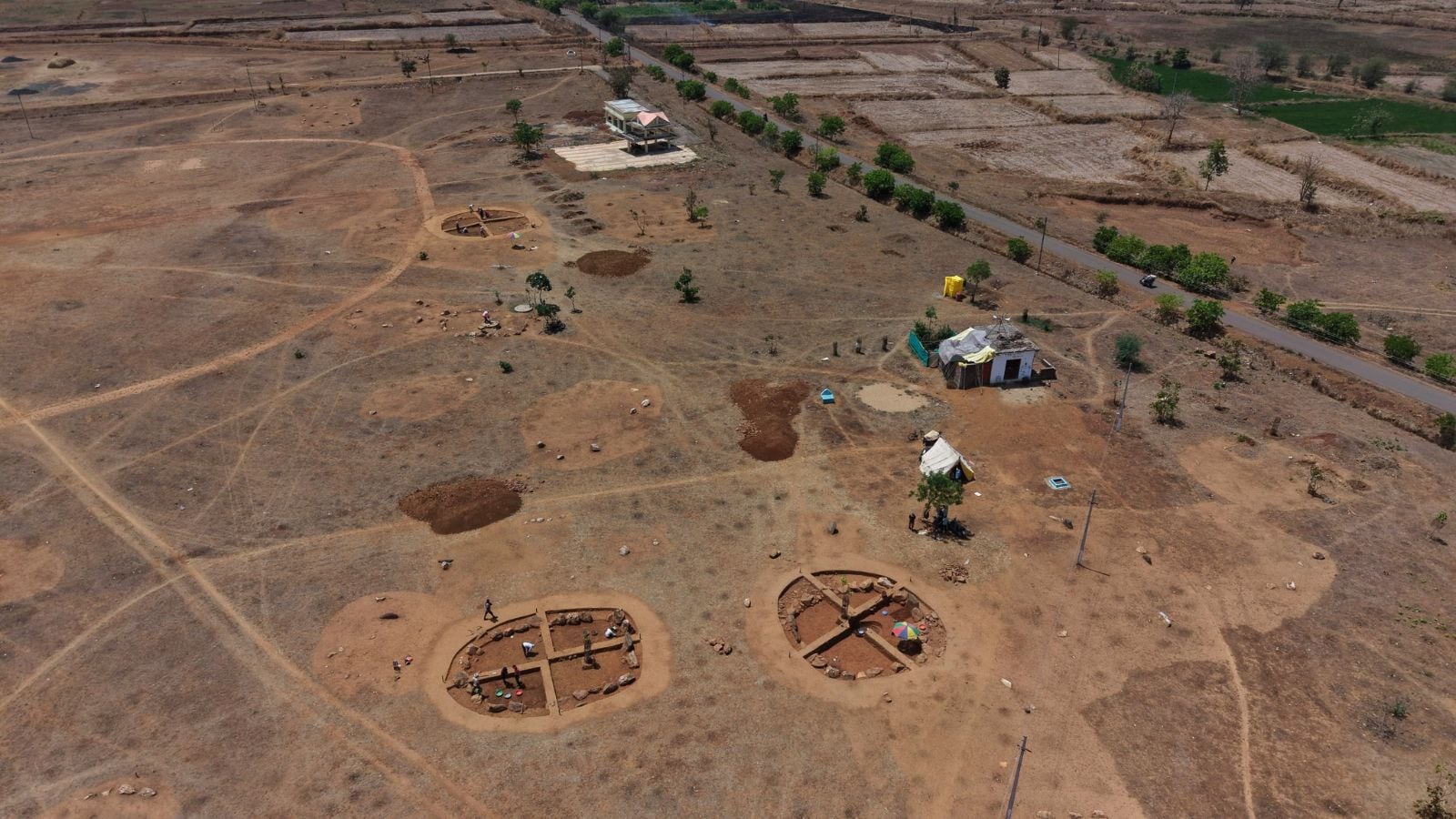
The excavation took place in a quiet part of Bhandara, where researchers found several large stone structures. These structures, known as stone circles, were used by ancient people to mark the spots where they buried their dead. As the team dug deeper, they found human remains along with various items that were buried with them. The most striking items were the clay pots. Unlike typical finds where pots are standing upright, many of these were turned over. This practice is not common and has sparked a lot of curiosity among historians.
Important Numbers and Facts
The site is estimated to be around 2,500 years old, placing it firmly in the Iron Age. Researchers found multiple burial pits within a small area, suggesting this was a dedicated cemetery for a local tribe or village. The pottery found is mostly "Black and Red Ware," a style famous for its two-tone color created by a specific firing process in a kiln. Along with the pots, small iron tools and beads were also recovered, showing that these people were skilled in making metal objects and jewelry.
Background and Context
The Megalithic culture is known for using large stones to build monuments or mark graves. In India, these sites are often found in the southern and central parts of the country. People of this era were not just hunters; they were farmers and traders who had a complex understanding of the world. They believed that when a person died, they needed certain items for their journey after death. This is why they buried food, tools, and pots with the bodies. The Bhandara site is a perfect example of how these ancient people respected their ancestors and followed strict traditions for burials.
Public or Industry Reaction
Local historians and archaeology experts are very excited about the Bhandara find. Many believe that this site could be linked to other famous Megalithic sites in Maharashtra, such as those found in Nagpur. The state archaeology department has noted that the preservation of the pots is quite good, which is rare for items that have been underground for over two millennia. Residents in the area have also shown great interest, as the discovery brings a sense of pride and historical importance to their local community.
What This Means Going Forward
The next steps for the research team involve more detailed testing. They plan to use carbon dating to get a more exact age of the remains. There is also hope that DNA testing can be done on the bones to find out more about the health, diet, and origins of these ancient people. Scientists want to study the soil inside the upside-down pots to see if they once held food, grain, or liquids. This information will help build a clearer picture of what life was like in Maharashtra 2,500 years ago. There is also a call to protect the site from weather damage and looting so that future generations can learn from it.
Final Take
The discovery in Bhandara is a reminder that history is often hidden right beneath our feet. By finding these ancient graves and their strange upside-down pots, we get a chance to connect with the people who lived in India thousands of years ago. It shows that even in the distant past, humans had deep feelings about life and death, and they took great care to honor those they lost. This site is a vital piece of the puzzle in understanding the roots of Indian civilization.
Frequently Asked Questions
Why were the pots placed upside down?
Archaeologists are still studying this, but it is believed to be a symbolic act. It might have represented the end of a person's life or was done to "seal" the contents of the pot for the spirit of the dead.
What is the Megalithic period?
The Megalithic period refers to a time when people used large stones to build structures, mostly for burials. In India, this happened roughly between 1500 BCE and 200 BCE.
What else was found at the Bhandara site?
Besides the pots and stone circles, researchers found iron arrowheads, stone beads, and fragments of human bones, all of which help tell the story of how these people lived.



