
Summary
Anbumani Ramadoss, the president of the PMK party, has strongly criticized the DMK for its stance on the Women’s Reservation Bill. He compared the DMK's opposition to the bill to "foeticide," suggesting that the party is trying to destroy the initiative before it can be fully born. Additionally, he argued that the redrawing of political boundaries, known as delimitation, should not be linked to a state's population growth. This statement highlights the growing political tension in Tamil Nadu over gender representation and state power.
Main Impact
The primary impact of these comments is a deepening divide between political parties in Tamil Nadu regarding national policies. By using very strong language, the PMK leader is positioning his party as a champion for women's rights while painting the DMK as an obstacle to progress. This debate also brings the sensitive issue of delimitation back to the center of public discussion. It forces a conversation on whether states that successfully managed their population should be penalized by losing political influence in the central government.
Key Details
What Happened
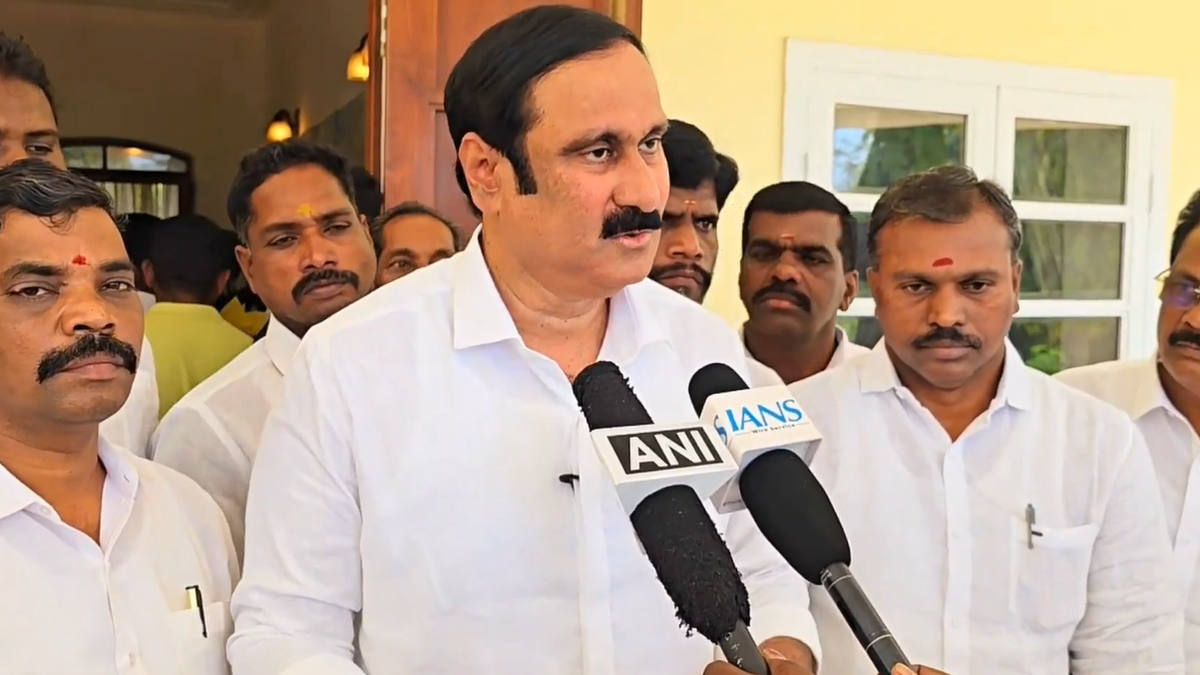
During a recent public address, PMK President Anbumani Ramadoss took aim at the DMK’s political strategy. He focused on the Women’s Reservation Bill, which has been a topic of intense debate in Indian politics for decades. He claimed that the DMK is making excuses to stop the bill from becoming a reality. He also spoke about the upcoming delimitation exercise, which is the process of changing the number of seats in Parliament based on the latest population data. He insisted that these two issues—women's rights and population numbers—should be treated separately.
Important Numbers and Facts
The Women’s Reservation Bill aims to set aside 33% of all seats in the Lok Sabha and state legislative assemblies for women. Currently, the representation of women in these bodies is much lower than this target. The delimitation process is scheduled to take place after 2026. Under current rules, states with higher populations could gain more seats in Parliament, while states with lower population growth, like Tamil Nadu, could see their relative influence decrease. Tamil Nadu currently holds 39 seats in the Lok Sabha, and there are concerns this number could be affected by the new boundaries.
Background and Context
The Women’s Reservation Bill is designed to ensure that women have a fair say in making the laws of the country. While almost every political party says they support women, the bill has faced many delays over the years. At the same time, the issue of delimitation has become a major concern for South Indian states. These states have spent decades improving healthcare and education, which led to slower population growth. They argue that it is unfair to give more political power to states that did not control their population as effectively. The PMK leader is now arguing that the DMK is using these concerns as a shield to avoid supporting the women's bill.
Public or Industry Reaction
The reaction to Anbumani’s comments has been mixed. Supporters of the PMK believe he is right to demand immediate action for women’s representation. They feel that the DMK is being hypocritical by talking about social justice while opposing a bill that empowers women. On the other hand, the DMK and its supporters argue that their concerns are about the rights of the state. They believe that any change in the number of seats must be fair to Tamil Nadu. Some political analysts suggest that the PMK is using this strong language to attract female voters ahead of future elections, while others see it as a necessary push for a long-delayed law.
What This Means Going Forward
Moving forward, the tension between state rights and national mandates will likely increase. The central government will face pressure to implement the Women’s Reservation Bill without making Southern states feel like they are losing their voice. If the DMK continues to oppose the current version of the bill, it could become a major campaign issue. We can expect more debates on how to balance the need for gender equality with the need for fair representation for all states. The year 2026 will be a turning point, as that is when the official redrawing of election maps is expected to begin.
Final Take
The clash between the PMK and DMK shows that the path to political reform in India is full of challenges. While the language used in these debates can be harsh, it reflects a deep struggle over who gets to hold power in the future. Ensuring that women have a seat at the table is vital, but it must be done in a way that respects the progress made by individual states.
Frequently Asked Questions
What is the Women’s Reservation Bill?
It is a proposed law in India that would reserve 33% of seats in the national Parliament and state assemblies for women to improve their representation in government.
What does delimitation mean in simple terms?
Delimitation is the process of redrawing the boundaries of election districts. This is done to make sure each representative stands for a similar number of voters as populations change over time.
Why is the PMK leader angry with the DMK?
He believes the DMK is using the issue of population and election boundaries as an excuse to block a bill that would give more political power to women.



