
Summary
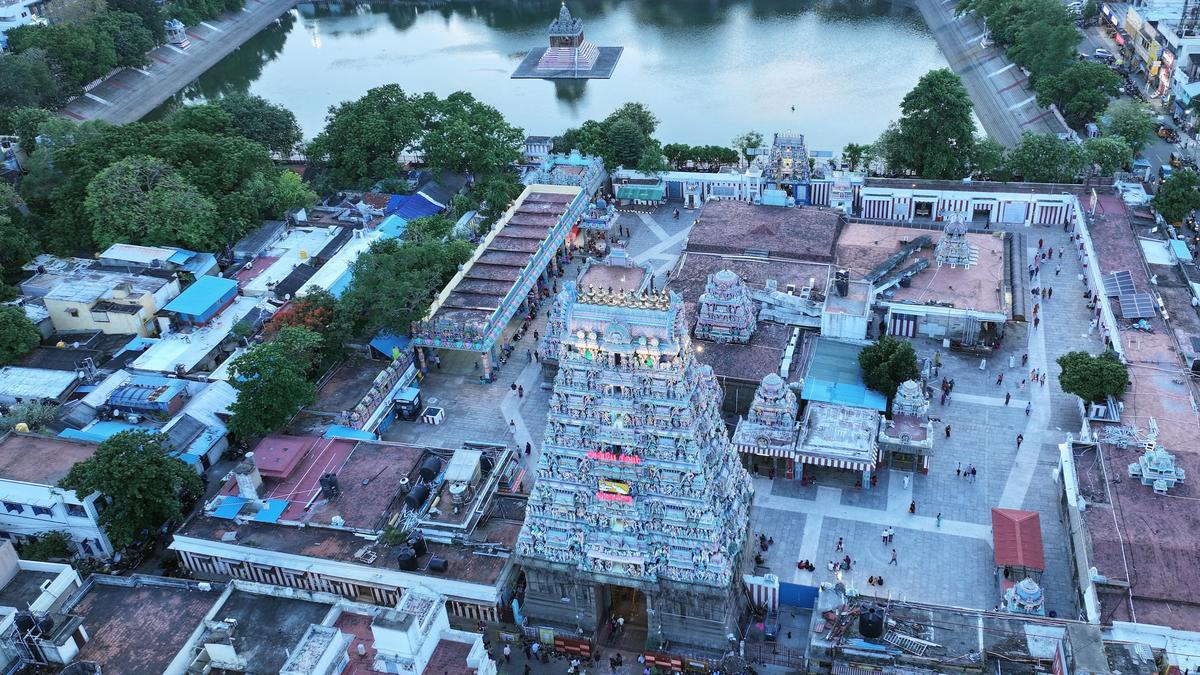
The Hindu Religious and Charitable Endowments (HR&CE) department has informed the Madras High Court about a long-standing land dispute involving Amrutanjan Healthcare. The department claims that the company occupied land belonging to the Mylapore Kapaleeswarar Temple for several decades without a proper legal agreement. According to the government, the company owes the temple approximately ₹9.74 crore in unpaid rent and arrears. This case highlights the ongoing efforts by the state to recover temple assets and ensure that religious institutions receive the income they are owed from their properties.
Main Impact
The main impact of this legal battle is the potential recovery of a massive amount of money for one of Chennai’s most famous temples. If the court rules in favor of the HR&CE department, it could set a strong example for other businesses using temple lands across Tamil Nadu. Many temples rely on rental income to pay for daily rituals, staff salaries, and building repairs. When large companies fail to pay fair market rates or stay on land without valid contracts, it creates a significant financial burden on these religious institutions. This case shows that the government is becoming more aggressive in tracking down old debts and clarifying land ownership rules.
Key Details
What Happened
The HR&CE department submitted a detailed report to the Madras High Court explaining the history of the property. They stated that Amrutanjan Healthcare was in possession of the temple land in Mylapore until 2018. A major point of the argument is that there was never a direct landlord-tenant relationship between the temple and the company. Despite the lack of a formal contract, the company continued to use the space for many years. The department argues that because there was no official lease, the company’s stay was not legally authorized in the traditional sense, leading to the high claim for back payments.
Important Numbers and Facts
The financial details of the case are significant. The HR&CE department has calculated the total rental arrears to be ₹9.74 crore. This figure was reached by looking at the market value of the land and the length of time the company occupied it. The property is located in a prime area of Mylapore, which is one of the most expensive parts of Chennai. The department noted that the company finally vacated the land in 2018, but the debt from the previous years remains unpaid. The court is now looking at these figures to determine how much the company is legally required to pay back to the temple fund.
Background and Context
In Tamil Nadu, many ancient temples own large amounts of land that were donated by kings and devotees centuries ago. These lands are managed by the HR&CE department, which is a branch of the state government. The goal is to use the income from these lands to support the temples. However, over time, many of these properties have been involved in legal confusion. Some tenants stopped paying rent, while others stayed long after their leases expired. In recent years, the government has started a major drive to identify these properties, fix the rent based on current market prices, and remove people or businesses that are staying illegally. The Kapaleeswarar Temple is a major cultural landmark, making this specific case very important to the public.
Public or Industry Reaction
The news has drawn attention from both the public and legal experts. Many people who support the protection of temple assets believe that the government is doing the right thing by demanding the money. They argue that religious property should not be used for private profit without fair payment. On the other hand, some industry observers are watching closely to see how the court defines "unauthorized occupation." Since the company was there for decades, there are questions about why the department did not take action sooner. The legal community is interested in how the court will calculate the final amount, especially since there was no direct contract in place for much of the time.
What This Means Going Forward
This case will likely lead to a stricter review of all commercial businesses operating on temple-owned land. The HR&CE department is expected to use this case as a guide for dealing with other large companies in similar situations. For Amrutanjan, the outcome could mean a significant financial hit if they are forced to pay the full ₹9.74 crore. For the temple, receiving these funds would provide a major boost to its treasury, allowing for better maintenance of the historic site. Moving forward, the government will probably insist on clearer, more direct contracts for any business wanting to rent temple property to avoid these kinds of long-term legal fights.
Final Take
Ensuring that temple lands are managed fairly is essential for preserving the financial health of religious institutions. This case serves as a reminder that even large and well-known companies must follow property laws and pay their fair share. As the Madras High Court moves toward a decision, the focus remains on transparency and the proper use of resources meant for the public good. Recovering these funds is not just about money; it is about respecting the original intent of the land donations and supporting the cultural heritage of the region.
Frequently Asked Questions
Why does the company owe so much money?
The amount of ₹9.74 crore comes from decades of unpaid rent and arrears. The HR&CE department calculated this based on the high value of the land in the Mylapore area and the long period the company occupied the space without a formal agreement.
What is the HR&CE department?
The Hindu Religious and Charitable Endowments (HR&CE) department is a government body in Tamil Nadu that manages and governs the administration of Hindu temples and their assets to ensure they are used correctly.
Is the company still on the temple land?
No, the company vacated the property in 2018. However, the legal case continues because the government is seeking to collect the unpaid rent that built up during the years the company was using the land.



