
Summary
Home Minister Amit Shah recently visited West Bengal to share the Bharatiya Janata Party's (BJP) vision for the state. During a major public meeting, he outlined several key promises that the party intends to fulfill if they come to power. These include the implementation of the Uniform Civil Code (UCC), a complete ban on polygamy, and a stronger stance against illegal immigration. These proposals aim to change the legal and social framework of the state while focusing on national security and economic support for citizens.
Main Impact
The promises made by the Home Minister could lead to a major shift in how laws are applied in West Bengal. By introducing the Uniform Civil Code, the government would move toward a system where the same set of personal laws applies to every citizen, regardless of their religion. This would affect rules regarding marriage, divorce, and property inheritance. Additionally, the focus on border security and stopping illegal activities like cattle smuggling is intended to improve safety and law enforcement in the region. These changes would not only impact the legal system but also the daily lives of millions of residents.
Key Details
What Happened
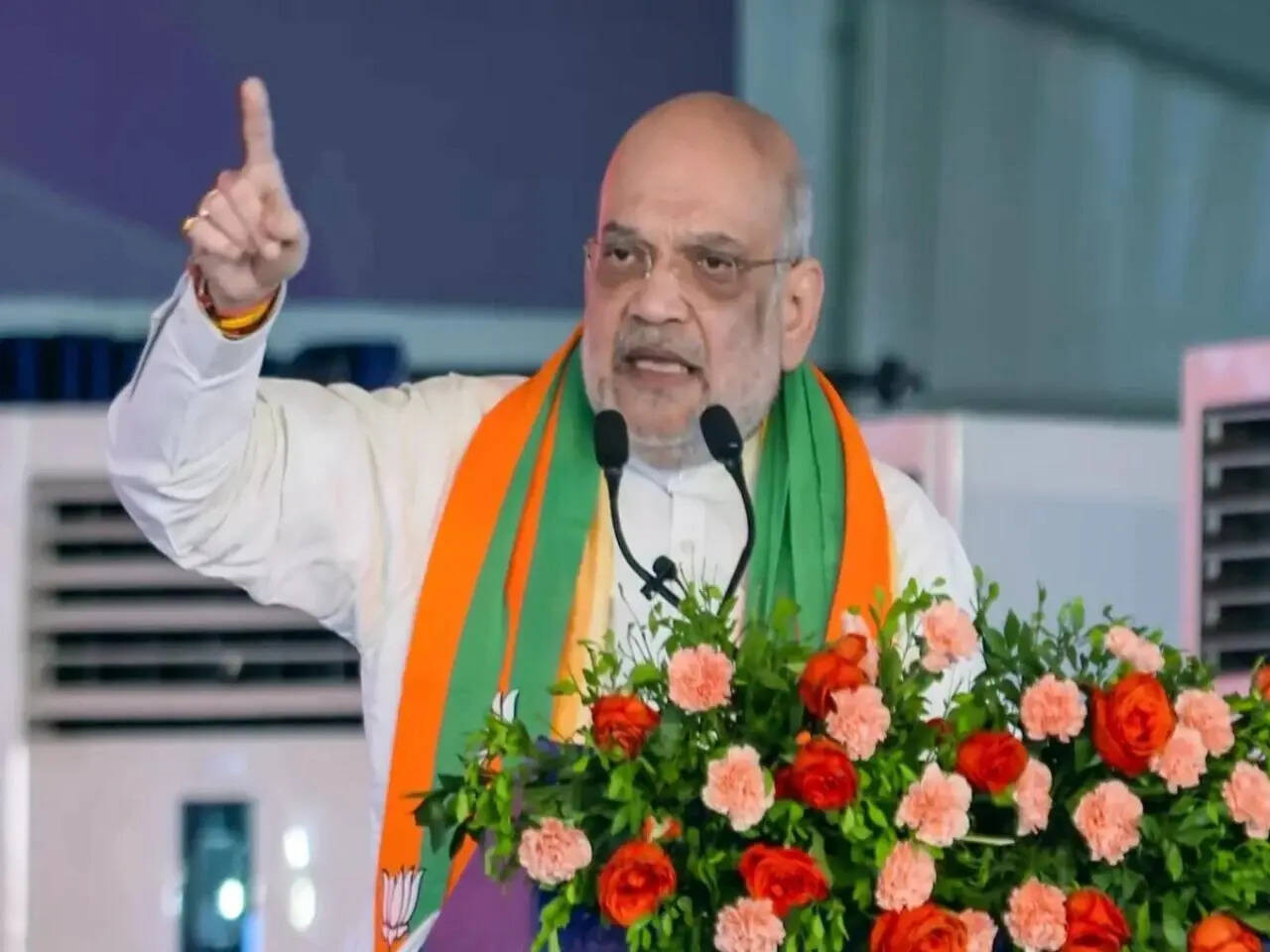
At a large political rally, Amit Shah spoke to a crowd about the BJP's plans for the future of West Bengal. He emphasized that the party is committed to bringing social reforms that have already been discussed at the national level. He specifically mentioned that the practice of triple talaq, which has already been banned by the central government, would be strictly monitored to ensure women are protected. He also stated that polygamy, the practice of having more than one spouse, would be brought to an end in the state to ensure equality and justice for women.
Beyond social laws, the Home Minister focused on the economy. He promised that the party would provide financial help to women and young people who are currently looking for work. This move is designed to reduce poverty and give more opportunities to the youth who struggle with unemployment. He also spoke about the need to protect the state's resources by stopping the illegal transport of cattle across borders.
Important Numbers and Facts
The Home Minister’s speech highlighted several specific policy goals. One of the primary goals is the rollout of the Uniform Civil Code (UCC). While the UCC is a national topic, the BJP wants to make it a reality in West Bengal specifically. Another major point was the promise of financial aid. While exact figures for every program were not detailed in the initial speech, the focus remains on direct cash transfers to those in need. Security was another major theme, with a vow to identify and remove illegal infiltrators from the state. This is part of a larger plan to secure the borders that West Bengal shares with neighboring countries.
Background and Context
West Bengal is a very important state in Indian politics. For many years, there has been a strong competition between the BJP and the ruling Trinamool Congress (TMC). The issues mentioned by Amit Shah, such as the UCC and illegal immigration, have been central to the political debate in India for a long time. The Uniform Civil Code is a proposal to replace various religious personal laws with a common set of rules for everyone. Supporters say it promotes equality, while critics worry it might affect religious traditions.
The mention of triple talaq and polygamy is also significant. The Indian government has already taken steps to ban instant triple talaq, calling it a victory for women's rights. By bringing these issues to the forefront in West Bengal, the BJP is looking to gain support from voters who want to see more modern social reforms. The focus on "infiltrators" relates to concerns about people entering the country without legal permission, which has been a sensitive topic in border states for decades.
Public or Industry Reaction
The reaction to these promises has been divided. Supporters of the BJP believe that these measures are necessary to bring order and fairness to the state. They argue that a single law for everyone will make the legal system simpler and more just. They also welcome the promise of financial aid, as many families in the state struggle with rising costs and a lack of jobs. Security experts have also noted that a crackdown on smuggling could help stabilize the border regions.
On the other hand, political opponents and some community leaders have expressed concerns. They argue that these policies might interfere with the cultural and religious rights of different groups. Some critics believe that the focus on immigration is a political tool used to create division among voters. There is also a debate about how the government will fund the promised financial aid for women and the unemployed, with some questioning if the state's budget can handle such large expenses.
What This Means Going Forward
If the BJP wins the upcoming elections and follows through on these promises, West Bengal will see a period of significant change. The implementation of the UCC would require a lot of legal work and could face challenges in court. The government would need to create a clear plan for how to transition from religious laws to a common code. The crackdown on illegal immigration and smuggling would also mean a higher presence of security forces along the borders.
For the average citizen, the most immediate impact might be the financial aid programs. If these are launched successfully, they could provide a much-needed safety net for many households. However, the social changes regarding marriage and divorce laws will likely remain a topic of intense discussion for years to come. The next steps will depend entirely on the election results and the ability of the party to pass these laws through the state legislature.
Final Take
The promises made by Amit Shah represent a bold plan for West Bengal. By focusing on social reform, national security, and economic help, the BJP is trying to address multiple issues at once. These proposals highlight the party's core beliefs and their vision for a more unified legal system. As the election approaches, voters will have to decide if these changes are the right path for the state's future. The outcome will likely influence not just West Bengal, but the political direction of the entire country.
Frequently Asked Questions
What is the Uniform Civil Code (UCC)?
The Uniform Civil Code is a proposal to have one set of laws for all citizens regarding personal matters like marriage, divorce, and property, regardless of their religion.
Why is the ban on polygamy being discussed?
The BJP aims to end the practice of having more than one spouse to promote gender equality and ensure that all citizens follow the same marriage laws.
How does the BJP plan to help the unemployed?
The party has promised to provide financial assistance to young people who are currently without jobs to help them support themselves while they look for work.



