
Summary
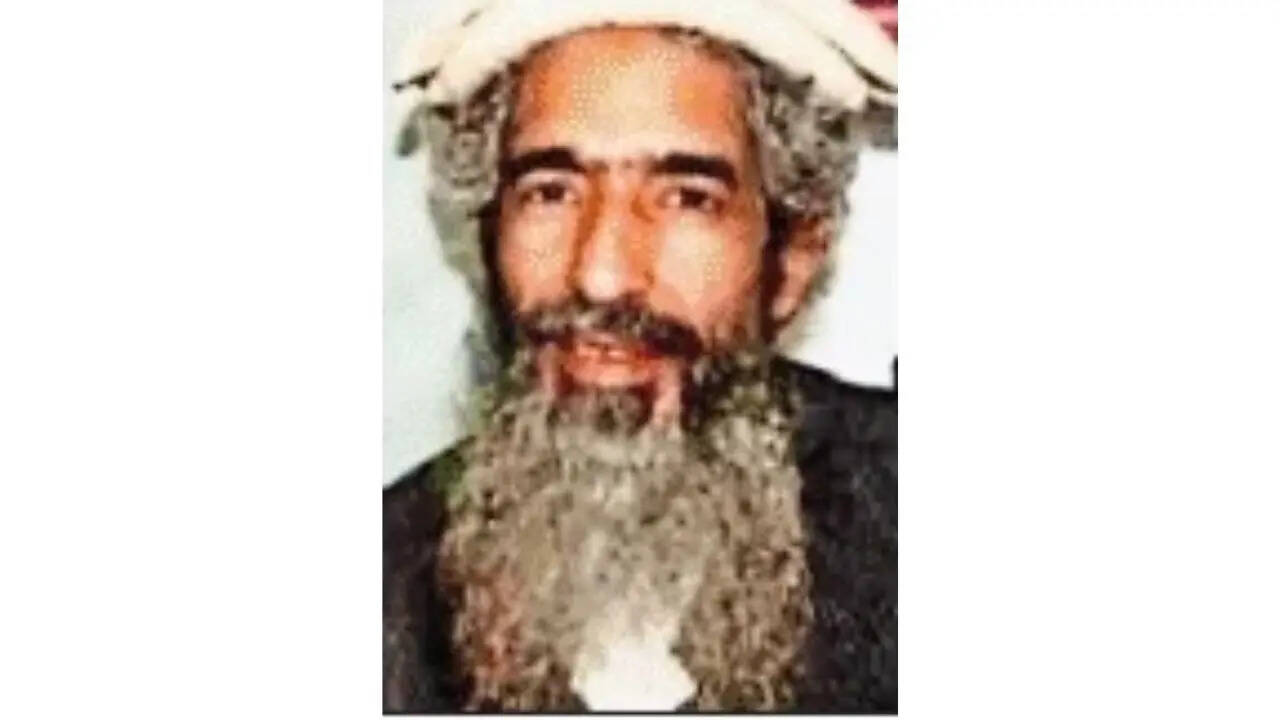
Amir Hamza, a founding member of the Lashkar-e-Taiba (LeT) militant group, was recently shot and injured in Pakistan. This incident marks the second time in just one year that gunmen have tried to kill him. Hamza is a high-profile figure who helped start the organization responsible for several major attacks. The shooting is part of a larger trend where unidentified attackers are targeting well-known militants living in Pakistan.
Main Impact
The attack on Amir Hamza sends a strong message to militant groups operating in the region. It shows that even the most protected and senior leaders are no longer safe. For years, these individuals lived with a sense of security, but a series of targeted hits has changed that. This latest shooting creates fear within these organizations and suggests that someone is systematically removing their leadership. It also puts pressure on local security forces who have struggled to stop these recurring attacks.
Key Details
What Happened
The shooting took place in a targeted manner, similar to other recent attacks in Pakistan. Gunmen opened fire on Amir Hamza before quickly fleeing the scene. While Hamza survived the encounter, he sustained injuries that required medical attention. This follows a previous attempt on his life that occurred less than twelve months ago. In both cases, the attackers managed to get close to him despite the usual security measures surrounding such high-ranking figures.
Important Numbers and Facts
Amir Hamza is one of the oldest members of Lashkar-e-Taiba, a group that has been banned by many countries and the United Nations. This is the second major attack on him in a single year. Over the last 18 months, more than a dozen high-ranking militants from various groups have been killed or injured in similar shootings across Pakistan. These incidents often involve men on motorcycles who use small arms to carry out quick hits in public or near the victims' homes.
Background and Context
To understand why this matters, one must look at the history of Lashkar-e-Taiba. The group was formed decades ago and has been linked to many violent events, including the 2008 attacks in Mumbai. Amir Hamza was there at the beginning, helping to build the group's ideology and network. For a long time, leaders like him lived openly in Pakistan without much fear of physical harm.
However, the situation changed recently. A phenomenon often called the "unknown gunmen" has emerged. Since 2023, several key figures from LeT and other groups like Jaish-e-Mohammed have been killed. These include people like Shahid Latif and Paramjit Singh Panjwar. The identity of the people behind these shootings remains a mystery, leading to many theories but few official answers.
Public or Industry Reaction
The reaction to these shootings is usually quiet but tense. Pakistani authorities often do not give detailed reports on these incidents, sometimes even trying to keep them out of the news. Within militant circles, there is a growing sense of panic. Many leaders have reportedly gone into hiding or significantly increased their personal security. On social media, supporters of these groups often blame foreign intelligence agencies, though no proof has been provided to the public. Meanwhile, international observers see this as a sign that the environment for these groups is becoming much more dangerous.
What This Means Going Forward
Moving forward, we can expect to see even tighter security around the remaining leaders of these groups. The fact that Hamza was hit twice in one year suggests that the attackers are persistent and have good information about his movements. This could lead to more internal checks within these organizations to find potential informants. It also places the Pakistani government in a difficult spot, as they must decide how to handle the security of individuals who are wanted internationally but living within their borders.
Final Take
The repeated attempts on Amir Hamza’s life show that the era of safety for militant leaders in Pakistan is over. Whether these attacks are the result of internal fights or external operations, the result is the same: the leadership of these groups is being picked apart. As long as the "unknown gunmen" continue to operate without being caught, no high-profile militant can feel truly secure.
Frequently Asked Questions
Who is Amir Hamza?
Amir Hamza is a co-founder of Lashkar-e-Taiba (LeT), a militant group based in Pakistan. He has been a key figure in the organization for many years.
Has this happened to other leaders?
Yes, several other militant leaders have been killed or injured in Pakistan over the last year by unidentified gunmen using similar tactics.
What is the "unknown gunmen" trend?
It refers to a series of targeted killings where unidentified attackers shoot high-profile militants and escape without being caught or identified by local police.



