
Summary
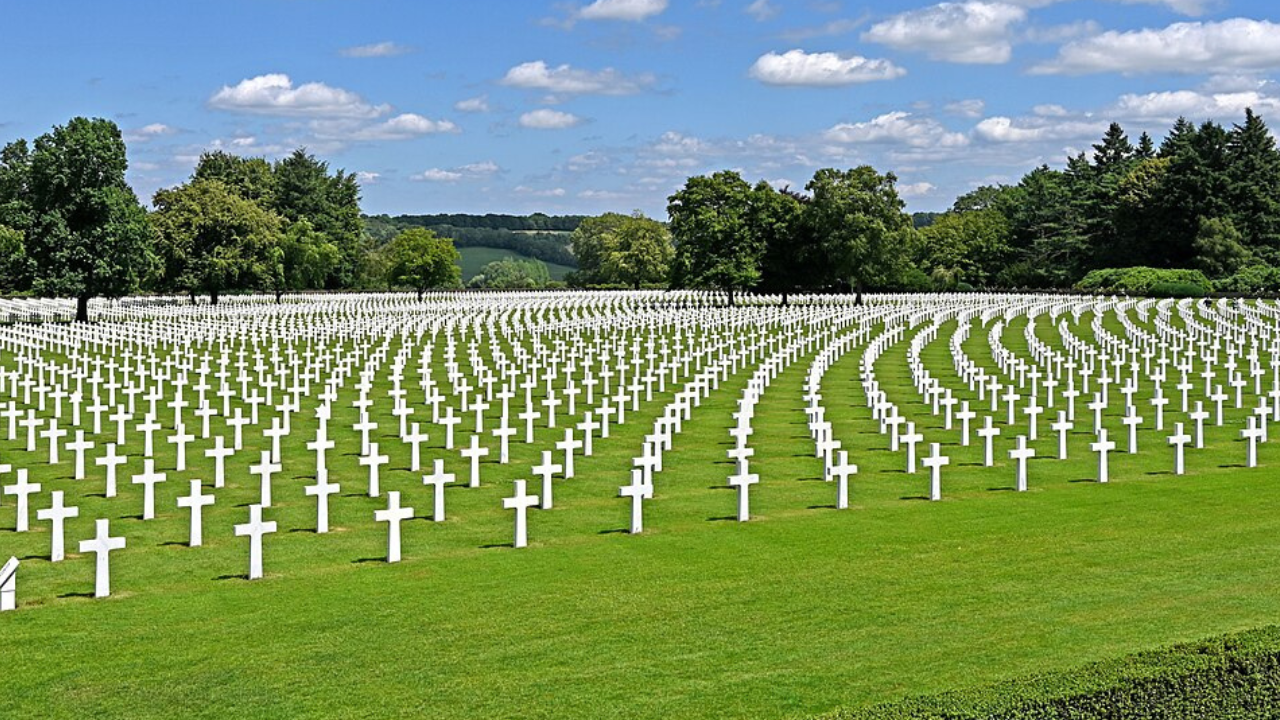
In Belgium and the Netherlands, a unique and touching tradition has survived for more than eighty years. Local families have taken on the responsibility of caring for the graves of American soldiers who died during World War II. These families "adopt" specific graves, visiting them regularly to leave flowers and keep the memory of the fallen alive. This practice has become so deeply rooted in the local culture that there are now long waiting lists of people wanting to participate. It serves as a living bridge between the past and the present, ensuring that the sacrifices made for freedom are never forgotten.
Main Impact
The most significant impact of this tradition is the lasting bond it creates between European citizens and the United States. While many years have passed since the end of the war, the gratitude felt by the people in these regions remains strong. This personal connection transforms military cemeteries from silent monuments into active places of remembrance. By treating these soldiers as part of their own families, local residents ensure that the history of the war stays relevant for new generations. It also provides comfort to the American relatives of the fallen, knowing their loved ones are being honored by the people they helped to free.
Key Details
What Happened
After the heavy fighting of World War II, thousands of American soldiers were buried in large military cemeteries across Europe. In places like the Netherlands and Belgium, the local people felt a deep need to show their thanks. Shortly after the war ended, they began a program where individuals or families could adopt a grave. This means the adopter takes a personal interest in the soldier buried there. They often research the soldier's life, find out where they were from in America, and sometimes even get in touch with the soldier's living relatives in the U.S. to share photos and stories.
Important Numbers and Facts
The scale of this commitment is impressive. At the Netherlands American Cemetery in Margraten, there are over 8,300 soldiers buried. Every single one of these graves has been adopted by a local person or family. In addition to the graves, the names of the missing carved into the walls are also adopted. The program is so popular that the waiting list currently has hundreds of names on it. Some families have held the same adoption for three or four generations, passing the duty from grandparents to children and then to grandchildren. Similar programs exist at cemeteries in Belgium, such as Henri-Chapelle and Neuville-en-Condroz, where thousands more graves are cared for by locals.
Background and Context
To understand why this tradition is so strong, it is important to look at the history of the region. During World War II, Belgium and the Netherlands were under the control of Nazi Germany for several years. The occupation brought great hardship, hunger, and fear to the local population. When American and Allied troops arrived to push back the German forces, they were seen as heroes who brought back hope and freedom. Many of these soldiers were very young, often in their late teens or early twenties, and they died far away from their homes. Because their own families could not travel across the ocean to visit their graves, the local people decided to become their "surrogate" families. This act of kindness was a way to repay the debt of liberation.
Public or Industry Reaction
The reaction to this program has been one of deep respect from both sides of the Atlantic. The American Battle Monuments Commission, which is the U.S. government agency that manages these cemeteries, has praised the local people for their dedication. They note that the care provided by these volunteers adds a personal touch that a government agency cannot provide on its own. In the U.S., many veterans' groups and families of the fallen have expressed their amazement and thanks for the fact that strangers in a different country still care so much after all this time. In the local communities, being an "adopter" is considered a great honor and a serious civic duty.
What This Means Going Forward
As the years go by, the number of people who actually lived through the war is getting smaller. However, the grave adoption program ensures that the lessons of the war are not lost. Schools in these areas often get involved, teaching children about the specific soldiers buried in their towns. This makes history feel real and personal rather than just a list of dates in a book. The fact that there are waiting lists shows that the younger generation is ready to take over the responsibility. This tradition is likely to continue for many more decades, keeping the friendship between these nations strong and ensuring that the cost of peace is always remembered.
Final Take
The story of these adopted graves is a beautiful example of how gratitude can last for generations. It shows that even in the face of great loss, human connection can create something lasting and positive. These soldiers may have died in a foreign land, but through the love and care of local families, they have found a second home. Their headstones are not just markers of the past; they are symbols of a living promise to never forget those who gave everything for the freedom of others.
Frequently Asked Questions
What does it mean to adopt a soldier's grave?
Adopting a grave means a local person or family takes responsibility for visiting the soldier's resting place. They bring flowers on special days, learn about the soldier's life, and keep their memory alive within the community.
Do the families have to pay to adopt a grave?
No, the adoption program is usually free and based entirely on volunteer work. The goal is to show respect and gratitude, not to make money. The families do it because they want to honor the sacrifice made by the soldiers.
How can I find out if a relative's grave has been adopted?
Most of the major American cemeteries in Europe have local foundations that manage the adoption programs. You can contact these foundations or the American Battle Monuments Commission to learn more about the care being given to a specific grave.

