Summary
The development of Amaravati is taking a major step forward with the "Blue City" project. This plan focuses on building a massive network of water reservoirs and canals throughout the capital region. The main goal is to protect the city from floods while creating a beautiful environment for people to live and work. By mixing modern engineering with natural water management, officials hope to make Amaravati a top destination for both residents and tourists.
Main Impact
The most significant impact of this project is the creation of a safe and sustainable urban environment. In many parts of the world, cities struggle with heavy rains and rising water levels. The Blue City plan addresses these risks early by building infrastructure that can hold and move large amounts of water. This does more than just prevent damage; it changes the entire look of the city. Instead of hidden pipes, the city will feature open canals and large lakes that improve the local climate and provide scenic views for everyone.
Key Details
What Happened
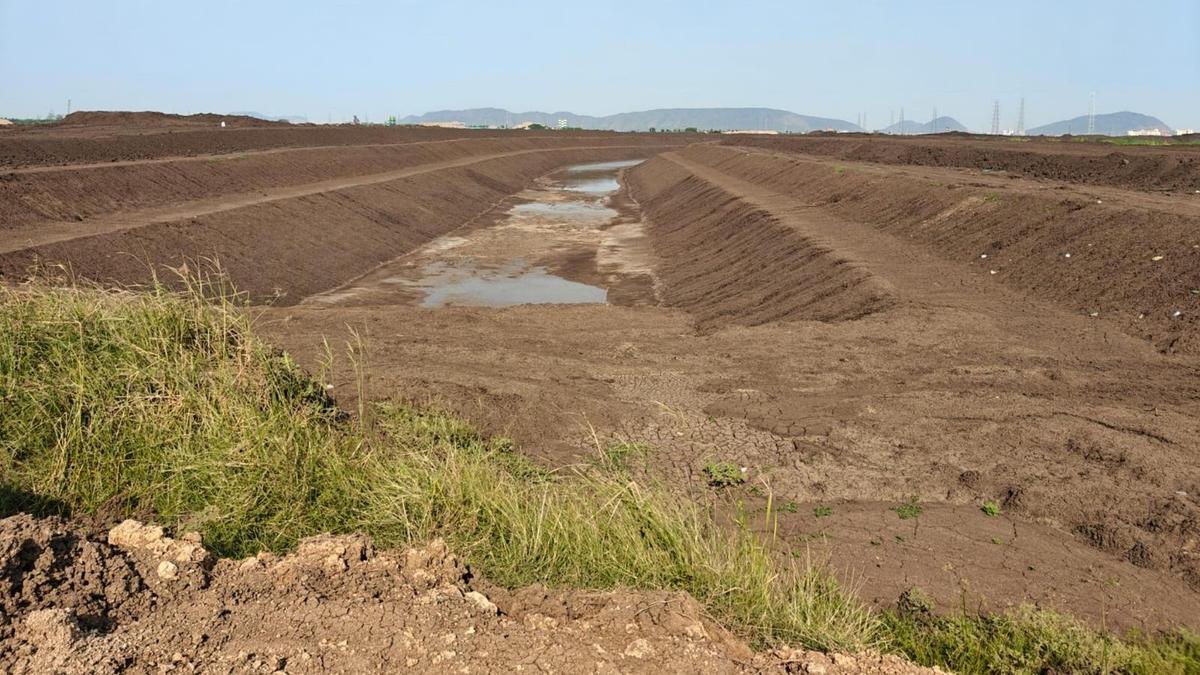
Government officials and urban planners have shared new details about how water will be managed in Amaravati. The project involves digging a series of wide canals that connect to large storage reservoirs. These water bodies are designed to catch runoff during the monsoon season. By controlling the flow of water, the city can prevent the streets from flooding. Additionally, these canals are being built to support small boats, which could become a new way for people to travel across the capital.
Important Numbers and Facts
The project covers a vast area within the capital region. Planners have identified specific low-lying zones that will be turned into permanent lakes. These reservoirs will act as giant holding tanks during heavy storms. The canal system is expected to stretch for many kilometers, linking different neighborhoods together. Engineers are using advanced data to predict how much water the system needs to handle during a "once-in-a-century" storm. This ensures that the infrastructure is strong enough to last for many decades without needing major repairs.
Background and Context
Amaravati is located near the Krishna River, which means the area naturally deals with a lot of water. In the past, building a city in such a location would have been very risky. However, modern "Blue-Green" planning allows cities to work with nature instead of fighting it. The "Blue" refers to water features like lakes and canals, while the "Green" refers to parks and trees. By combining these two, the city stays cooler and handles rain much better. This approach is becoming popular in global cities like Singapore and Amsterdam, and Amaravati is following that successful model.
Public or Industry Reaction
Many experts in urban design have praised the plan. They believe that making water a central part of the city will attract more businesses and investors. Real estate developers are also showing great interest, as homes and offices near water usually have a higher value. Local residents are hopeful that the project will provide plenty of outdoor space for exercise and relaxation. However, some people have raised questions about the cost and the time it will take to finish such a large project. They want to ensure that the water stays clean and does not become a place for mosquitoes to grow.
What This Means Going Forward
As construction moves ahead, the focus will shift to maintaining these water bodies. Keeping the canals clean and the water flowing is essential for the project to succeed. In the coming years, we can expect to see the first sections of the waterfront being opened to the public. This will likely include walking paths, cycling tracks, and areas for water sports. If successful, Amaravati could serve as a guide for other Indian cities that face flooding problems. The project shows that with the right planning, water can be a city's greatest asset rather than a threat.
Final Take
The Blue City project is a bold move to turn Amaravati into a modern, water-friendly capital. By focusing on reservoirs and canals, the government is solving the problem of floods while also making the city more attractive. This plan proves that smart infrastructure can protect the environment and improve the lives of citizens at the same time. It is a long-term investment that will define the character of the city for generations to come.
Frequently Asked Questions
What is the main goal of the Blue City project?
The primary goal is to manage water effectively to prevent flooding in Amaravati. It also aims to make the city more beautiful and provide new areas for tourism and recreation.
How will the canals be used?
The canals will mainly be used to move excess rainwater away from streets and buildings. They may also be used for boat transport and as scenic areas for parks and walking paths.
Will this project help the environment?
Yes, the project helps by creating new ecosystems for birds and plants. It also helps cool the city down during hot summer months by having more open water and green spaces.