
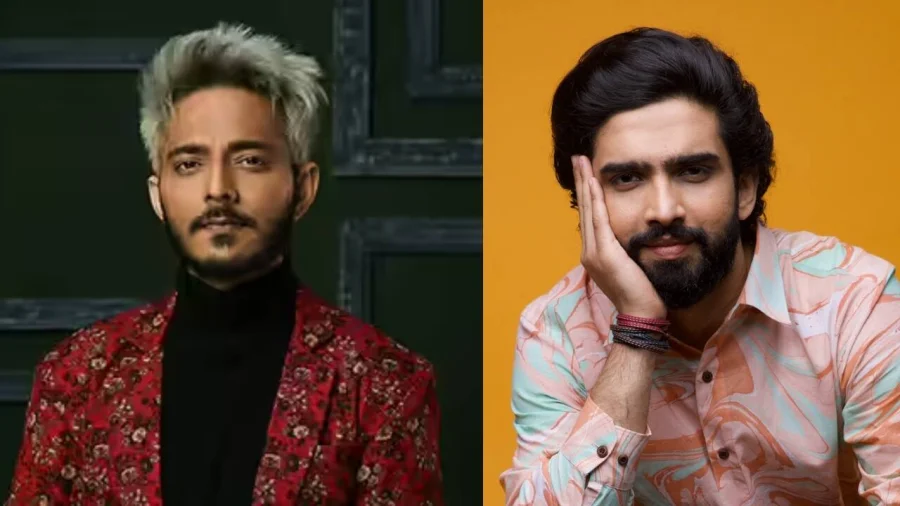
The Bollywood music industry has been rocked by a new controversy as composer Amaal Mallik has publicly accused his peer Tanishk Bagchi of stealing songs, destroying original compositions, and making unwanted advances toward female singers. The allegations, which include references to the hit song 'Saiyaara', have reignited conversations about plagiarism and workplace safety in the Indian music scene.
The core accusation: Stealing 'Saiyaara' and destroying originals
Amaal Mallik, known for hits like 'Sooraj Dooba Hain' and 'Kar Gayi Chull', took to social media to accuse Tanishk Bagchi of stealing songs from other artists. Mallik specifically alleged that Bagchi used the track 'Saiyaara' without proper credit and destroyed original compositions to pass them off as his own. The accusation suggests a pattern of intellectual property theft that has long been a simmering issue in the industry.
The MeToo dimension: Allegations against female singers
In a significant escalation, Mallik also made serious allegations regarding Bagchi's conduct towards female singers. While details remain sparse, the invocation of the MeToo movement suggests accusations of unwanted advances or inappropriate behavior. This adds a deeply personal and professional layer to the dispute, moving beyond creative differences into questions of workplace ethics and safety.
Background: A long-standing royalty dispute
The public accusations are not an isolated incident. Mallik and Bagchi have been involved in a long-standing royalty dispute, with tensions simmering for years. The music industry has often seen conflicts over credit and payment, but this public airing of grievances marks a rare and dramatic break from the usual behind-the-scenes negotiations.
Human impact: What this means for artists and fans
For aspiring musicians and established artists alike, these allegations highlight the precarious nature of creative ownership in Bollywood. If true, the accusations suggest a system where original work can be appropriated without consequence. For fans, it raises questions about the authenticity of the music they love and the ethics of the artists they support.
Official response: Silence from Tanishk Bagchi
As of now, Tanishk Bagchi has not issued any public response to the allegations. The music industry and media are awaiting his statement, which could either clarify the situation or deepen the controversy. Without an official response, the claims remain one-sided, though Mallik's public stance suggests he is prepared for a prolonged battle.
Analysis: A pattern of industry tensions
The Bollywood music industry has a long history of plagiarism accusations, from the 'Kolaveri Di' controversy to more recent disputes over 'Ghungroo' and 'Kesariya'. Mallik's accusations against Bagchi fit into a broader pattern where original composers feel their work is being exploited by more commercially successful peers. The MeToo angle, however, introduces a new and more serious dimension that could have lasting repercussions.
Confirmed facts vs what remains unclear
Confirmed: Amaal Mallik has publicly accused Tanishk Bagchi of stealing songs and making unwanted advances toward female singers. The accusation includes the song 'Saiyaara'. Unclear: Whether Bagchi will respond, if any legal action will be taken, and the specific details of the MeToo allegations. All claims are currently based on Mallik's statements and have not been independently verified.
Risks and balanced view
While Mallik's accusations are serious, they remain unproven. The music industry has seen false allegations in the past, and Bagchi deserves the opportunity to respond. However, if the claims are true, they represent a systemic failure in protecting artists' intellectual property and ensuring safe workplaces. The public should await further evidence before drawing conclusions.
Wider trend: Plagiarism and MeToo in Indian entertainment
This controversy is part of a larger reckoning in the Indian entertainment industry. From the #MeToo movement in Bollywood to ongoing debates about song credits, the industry is slowly being forced to address long-ignored issues. Mallik's decision to go public may encourage other artists to speak out, potentially leading to greater accountability.
Practical guidance for readers
For music fans, this is a moment to pay attention to song credits and support original artists. For aspiring composers, it underscores the importance of legally protecting your work. For industry professionals, it is a reminder that workplace conduct and intellectual property rights are non-negotiable.
Future outlook
The next few days will be critical. If Bagchi responds, the narrative could shift. If legal action follows, the case could set a precedent for how plagiarism and misconduct are handled in the music industry. For now, the controversy remains a developing story with significant implications for Bollywood's creative ecosystem.
Our take
This is more than a personal feud. It is a public airing of grievances that many in the industry have likely felt but never voiced. Whether or not the allegations are proven, they have already forced a conversation about ownership, ethics, and safety in Bollywood music. That conversation, long overdue, is the real story here.
Frequently Asked Questions
What did Amaal Mallik accuse Tanishk Bagchi of?
Amaal Mallik accused Tanishk Bagchi of stealing songs, including 'Saiyaara', destroying original compositions, and making unwanted advances toward female singers.
Has Tanishk Bagchi responded to the allegations?
As of now, Tanishk Bagchi has not issued any public response to the allegations made by Amaal Mallik.
What is the background of the feud between Amaal Mallik and Tanishk Bagchi?
The two composers have been involved in a long-standing royalty dispute, which has now escalated into public accusations of plagiarism and misconduct.
What does the MeToo reference mean in this context?
Amaal Mallik's allegations regarding Tanishk Bagchi's conduct toward female singers invoke the MeToo movement, suggesting accusations of unwanted advances or inappropriate behavior.



