Summary
Breanna Olson, a former dancer living with ALS, has found a way to return to the stage using advanced technology. By using her brainwaves, she can now control a digital avatar that performs dance movements on her behalf. This breakthrough allows her to express herself creatively despite the physical limits caused by her illness. It marks a major step in using technology to help people with paralysis regain their sense of identity and connection to the arts.
Main Impact
The primary impact of this development is the restoration of human expression for those with severe physical disabilities. ALS, or Amyotrophic Lateral Sclerosis, often leaves patients unable to move or speak, even while their minds remain fully active. For a professional dancer like Olson, losing the ability to move was a loss of her primary language. This technology acts as a bridge, taking thoughts directly from the brain and turning them into visible action. It proves that physical limitations do not have to mean the end of a person's creative life.
Key Details
What Happened
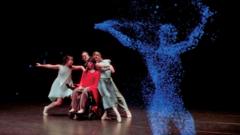
Breanna Olson worked with a team of tech experts to link her brain activity to a computer program. Using a special headset, the system picks up electrical signals from her brain. When she imagines specific movements or feels the rhythm of music, the computer interprets these signals. These thoughts are then sent to a digital character, or avatar, on a screen. The avatar moves in real-time, performing dance steps that Olson can no longer do with her own body. This process allows her to "perform" in a digital space, reaching an audience once again.
Important Numbers and Facts
ALS is a rare but devastating disease that affects the nerve cells responsible for controlling voluntary muscles. Over time, it leads to total paralysis. Most people diagnosed with the condition are told they have a limited time to remain active. However, brain-computer interface (BCI) technology is changing that timeline. Current systems can now read brain signals with high accuracy, allowing for complex movements rather than just simple "yes" or "no" commands. In Olson's case, the technology focuses on the emotional and artistic side of movement, which is a new area of study for this type of medical tech.
Background and Context
To understand why this is so important, it helps to know how ALS works. The disease breaks the connection between the brain and the muscles. The brain sends a command to move a leg or an arm, but the message never arrives. This creates a "locked-in" feeling where the person is fully aware but cannot interact with the world. For many years, technology for ALS patients focused only on basic needs, like moving a wheelchair or typing words on a screen. This new project is different because it focuses on art and soul. It recognizes that being human is about more than just surviving; it is about sharing feelings and beauty with others.
Public or Industry Reaction
The medical and tech communities have reacted with great hope to Olson's performance. Doctors note that the mental health of patients improves significantly when they have a way to stay active in their hobbies. Scientists are impressed by how quickly the brain can learn to control a digital body. Many people in the dance world have also praised the project, noting that dance is about the spirit and the mind, not just the physical limbs. The success of this avatar performance shows that the "language of dance" can exist even without traditional movement.
What This Means Going Forward
This success opens the door for many other applications. In the future, this technology could be used to help people with different types of paralysis or even those who have lost limbs. We might see virtual reality spaces where people with disabilities can meet, move, and interact as if they had no physical limits. There is also the hope that these brainwave controls will eventually be linked to robotic suits or exoskeletons. This would allow a person to move their actual body using the same thoughts Olson uses to move her avatar. The next steps involve making the technology smaller, cheaper, and easier for more people to use at home.
Final Take
Breanna Olson’s story is a powerful reminder that technology is at its best when it serves the human spirit. By turning brainwaves into dance, she has shown that creativity cannot be locked away by a disease. This project does more than just show off a new gadget; it gives a person back their voice and their joy. It proves that even when the body fails, the mind remains a powerful force capable of creating beauty and connecting with the world.
Frequently Asked Questions
How does the dancer control the avatar?
She wears a headset with sensors that read her brainwaves. When she thinks about moving or feels the music, the computer translates those brain signals into digital movements for the avatar.
What is ALS?
ALS is a disease that attacks the nerve cells in the brain and spinal cord. It eventually causes muscles to stop working, leading to paralysis, while the person's mind usually stays clear.
Can other people use this technology?
While this specific project was a special collaboration for Breanna Olson, the technology behind it is being developed to help many people with paralysis communicate and interact with the world more easily.