Summary
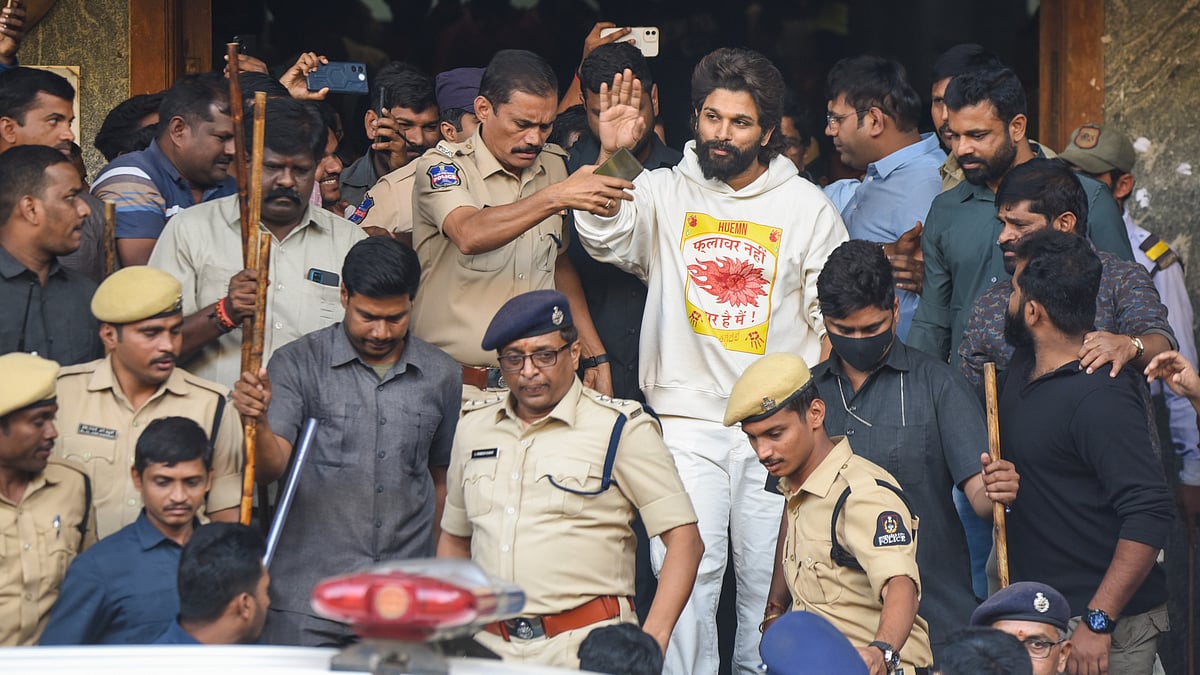
Famous Indian actor Allu Arjun has taken legal action at the Delhi High Court to protect his identity. He is seeking to stop the unauthorized use of his name, voice, and image across various digital platforms and websites. This move comes as a response to the rising use of Artificial Intelligence (AI) to create fake content, including voice cloning and chatbots that mimic his personality. The court has indicated that it will likely issue an order soon to protect the actor's rights.
Main Impact
This legal case highlights a major challenge in the modern digital world: the theft of a person's identity using advanced technology. By going to court, Allu Arjun is fighting to protect his "personality rights," which allow an individual to control how their likeness is used for business. The impact of this case reaches beyond just one actor. It sets a standard for how the law should handle AI tools that can copy a person's voice or face without their permission. If the court rules in his favor, it will provide a stronger shield for all public figures against digital fraud and scams.
Key Details
What Happened
The legal team representing Allu Arjun appeared before Justice Tushar Rao Gedela to explain how the actor's identity is being exploited. They pointed out that several businesses are selling merchandise, such as t-shirts and posters, featuring his face and signature without any legal agreement. More worryingly, they highlighted the existence of AI-powered tools. These tools allow people to create fake audio that sounds exactly like the actor. Some mobile applications even offer "fake video calls" where users can interact with an AI version of Allu Arjun. The actor's lawyers argued that these tools are not just harmless fun but can be used for serious crimes like fraud and impersonation.
Important Numbers and Facts
Allu Arjun has already taken steps to protect his brand by registering his name as a trademark. This gives him a stronger legal position to stop others from making money off his name. During the hearing, it was revealed that some major technology companies have already started to act. Representatives for Google and Meta told the court that they have removed many of the links and apps that were flagged in the actor's petition. The court is now expected to pass a formal order that will provide temporary protection to the actor while the case continues.
Background and Context
Personality rights are a set of legal rules that prevent others from using a famous person's identity for profit without permission. In the past, this mostly applied to printed photos or television ads. However, the rise of AI has made this issue much more complicated. AI can now create "deepfakes," which are highly realistic but fake videos or audio recordings. This makes it easy for scammers to trick fans into thinking a celebrity is endorsing a product or asking for money. Allu Arjun is not the first person to seek help from the Delhi High Court for this reason. Other stars like Salman Khan, Aishwarya Rai Bachchan, and even sports icons like Gautam Gambhir have filed similar cases to keep their digital identities safe.
Public or Industry Reaction
The response from the tech industry has been mostly cooperative. Companies like Meta and Google are working to take down content that violates the rights of public figures. Legal experts believe that these types of court cases are necessary because current laws are still catching up with how fast technology is changing. Many fans have also expressed support, as they are often the ones targeted by fake ads and AI-generated scams. The industry sees this as a vital step in making the internet a safer place where people can trust that the celebrities they see online are actually real.
What This Means Going Forward
In the coming months, we can expect to see more celebrities and public figures filing similar lawsuits. This trend will likely force AI developers to be more careful about how they build their tools. They may need to include safeguards that prevent their software from copying famous voices or faces without a license. For the general public, these legal battles mean that there will be more pressure on social media platforms to verify content. It also serves as a warning to businesses that using a celebrity's image without a contract can lead to expensive legal trouble. Eventually, this could lead to new government laws specifically designed to regulate AI and protect individual privacy.
Final Take
Protecting one's identity is a fundamental right that should not be lost just because technology has improved. Allu Arjun’s move to the Delhi High Court is a necessary defense against the misuse of AI. As digital tools become more powerful, the legal system must remain the ultimate guard against those who wish to profit from the hard-earned reputation of others. This case is a clear signal that the era of unregulated AI impersonation is coming to an end.
Frequently Asked Questions
What are personality rights?
Personality rights are the legal rights of an individual to control the commercial use of their name, image, voice, and other personal characteristics.
Why is AI a threat to celebrities?
AI can create very realistic fake videos and voices. This can be used to trick people into thinking a celebrity is saying or doing something they never actually did, often for the purpose of fraud.
Can anyone use a celebrity's face on a product?
No, using a celebrity's face or name to sell products without their permission is generally illegal and can lead to lawsuits for trademark and personality right violations.