Summary
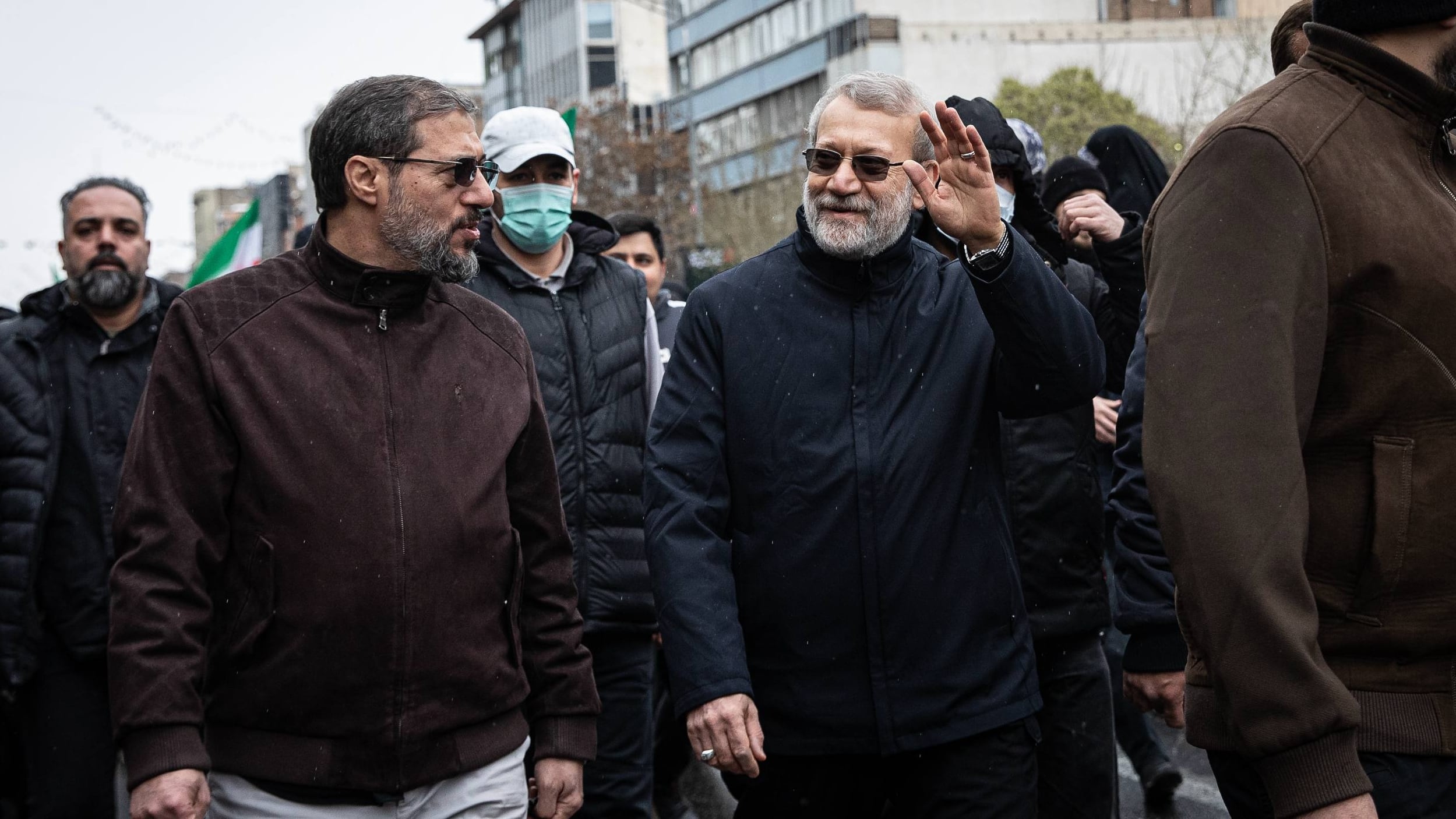
Israel has confirmed the death of Ali Larijani, the head of Iran’s National Security Council, following a targeted military strike. The attack also killed Gholamreza Soleimani, a top leader of the Basij paramilitary force. These deaths represent the most significant loss for the Iranian government since a new wave of conflict began two weeks ago. As violence spreads, the United States and Israel continue to strike targets in Iran and Lebanon, while Iran has responded with attacks across the Middle East.
Main Impact
The killing of Ali Larijani is a major turning point in the current war. Larijani was not just a government official; he was one of the most powerful people in Iran, second only to the Supreme Leader in terms of influence over national security. His death leaves a massive hole in Iran's leadership and decision-making process. At the same time, the death of Gholamreza Soleimani weakens the Revolutionary Guard’s ability to control internal security and manage its paramilitary forces. These losses suggest that the military alliance between Israel and the United States is successfully targeting the highest levels of the Iranian regime.
Key Details
What Happened
The strike took place overnight as part of a larger military operation. Israeli Defense Minister Israel Katz confirmed that the operation was successful. This mission was part of a broader offensive that started over two weeks ago, led by Israeli Prime Minister Benjamin Netanyahu and U.S. President Donald Trump. Following the strike, the Israeli military reported a new series of attacks against targets in both Iran and Lebanon. This was a response to missiles being fired from Iran toward Israeli territory earlier in the evening.
Important Numbers and Facts
The conflict has moved very quickly over the last 14 days. Ali Larijani is now the highest-ranking Iranian official to be killed in this specific campaign. In addition to the loss of leadership, the regional impact has been physical and economic. The U.S. Embassy in Baghdad, Iraq, faced one of its most violent attacks yet, involving a heavy mix of rockets and drones. Furthermore, the United Arab Emirates (UAE) had to stop all flights and close its airspace for a period of time because of the danger posed by Iranian drone and missile activity in the Persian Gulf.
Background and Context
To understand why these events are so important, it helps to know who these leaders were. Ali Larijani was the Secretary of the Supreme National Security Council. This group makes the biggest decisions about Iran’s military and foreign policy. He was a key link between the military and the religious leadership of the country. Gholamreza Soleimani led the Basij, which is a large group of volunteer soldiers under the Revolutionary Guard. The Basij are often used to stop protests and maintain order inside Iran. By removing these two men, Israel and the U.S. are trying to disrupt both Iran's international military plans and its control over its own citizens.
Public or Industry Reaction
The reaction across the Middle East has been one of high alarm. In Iraq, the attack on the U.S. Embassy shows that pro-Iranian groups are willing to strike American targets in retaliation. In the business and travel world, the temporary closure of airspace in the United Arab Emirates caused major problems. The UAE is a global hub for international flights, and stopping air traffic even for a few hours affects thousands of travelers and millions of dollars in trade. Many regional experts are worried that the fighting is no longer contained to just two countries but is now affecting the entire Gulf region.
What This Means Going Forward
The situation is likely to get more intense before it settles down. Iran has already shown that it will fight back by targeting U.S. bases and using its allies in Iraq and Lebanon to strike. The death of such high-ranking officials usually leads to a strong response. We can expect more missile exchanges and potentially more cyberattacks or maritime disruptions in the coming days. The main risk now is a full-scale regional war that could involve multiple countries and disrupt global oil supplies. International leaders are watching closely to see if there is any room for a ceasefire, though currently, both sides seem committed to continuing the fight.
Final Take
The removal of Iran’s top security leadership marks a new and dangerous chapter in this conflict. While Israel and the U.S. see this as a way to weaken a long-time enemy, the immediate result is more instability across the Middle East. The coming days will show whether Iran can recover from this blow or if the loss of Larijani and Soleimani will lead to a collapse in their military strategy.
Frequently Asked Questions
Who was Ali Larijani?
Ali Larijani was the head of Iran's National Security Council. He was a top advisor to the Supreme Leader and played a major role in planning Iran's military and political moves.
Why did the UAE close its airspace?
The United Arab Emirates closed its airspace because of a wave of Iranian missile and drone attacks in the region. This was done to ensure the safety of commercial airplanes and passengers.
What is the Basij?
The Basij is a paramilitary force in Iran that works under the Revolutionary Guard. They are primarily used for internal security and to help the government maintain control during times of unrest.