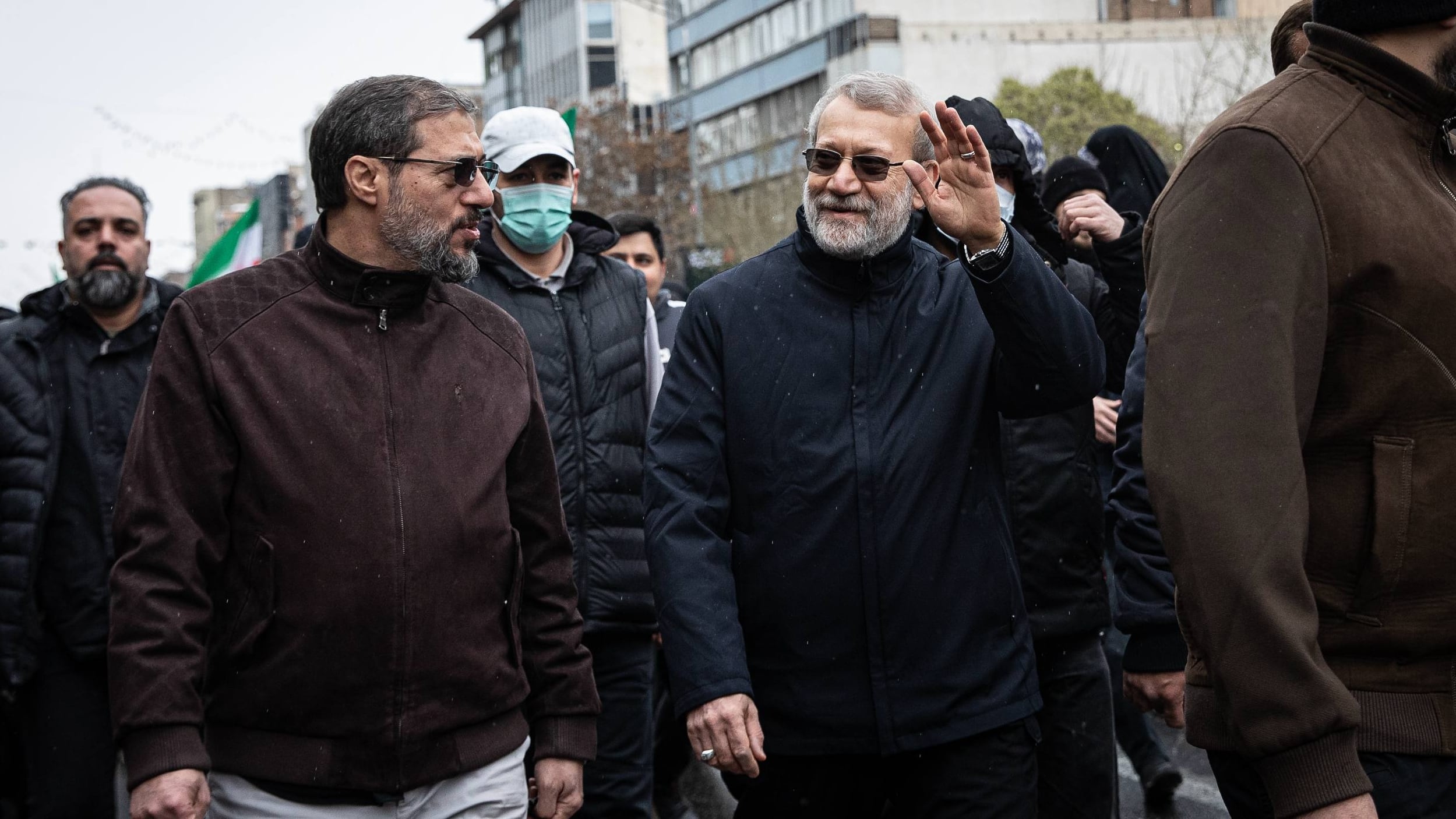
Summary
Israel has announced the death of Ali Larijani, a top official in the Iranian government. Larijani served as the Secretary of the National Security Council and was considered one of the most powerful men in the country. This event follows weeks of heavy military action aimed at changing the leadership in Iran. His death marks the most significant loss for the Iranian regime since the passing of their Supreme Leader late last month.
Main Impact
The reported death of Ali Larijani is a major blow to the Iranian government's stability. As a key strategist, he was often seen as the person truly running the country's daily operations. His removal from the scene happens at a time when Iran is already struggling with internal changes and external military pressure. This development suggests that Israel is successfully targeting the highest levels of Iran's leadership, which could lead to a breakdown in how the country manages its defense and foreign policy.
Key Details
What Happened
On Tuesday, March 17, 2026, Israeli officials stated that they had killed Ali Larijani. This claim comes after two weeks of constant airstrikes. These attacks are part of a larger military campaign to weaken the Iranian regime. While Israel is confident in its report, the government in Tehran has not yet confirmed the news. They have remained silent about Larijani’s condition, which is a common tactic used during times of high tension.
Important Numbers and Facts
- Date of Announcement: March 17, 2026.
- Previous Major Event: The death of Supreme Leader Ali Khamenei on February 28, 2026.
- Larijani’s Role: Secretary of the National Security Council and top advisor to the new leader.
- Duration of Conflict: Two weeks of intense bombing leading up to this announcement.
- Succession: Mojtaba Khamenei recently took over his father's position, with Larijani acting as his main support.
Background and Context
To understand why this matters, one must look at how Iran is governed. The country does not rely on just one person. Instead, it is held up by several "pillars" of power, including the military and the National Security Council. Ali Larijani was a central figure in this system for many years. He was known for his experience in international talks and his deep knowledge of the country's security needs.
The situation in the region has been very tense since the death of the former Supreme Leader, Ali Khamenei, in February. When his son, Mojtaba Khamenei, was named as the successor, Larijani became even more important. He was the person who helped the new leader navigate the difficult political waters. Without him, the new leadership may find it much harder to keep control of the different groups within the government.
Public or Industry Reaction
The international community is watching these events closely. In the United States, the government has increased its military pressure on Iran. Reports indicate that President Trump is pushing for more action, even though some leaders in Europe are concerned about the risks. The ongoing war is not just a local problem; it is starting to hurt the global economy. Prices for goods and energy are changing because of the uncertainty in the Middle East.
Inside Iran, the silence from the government suggests they are trying to figure out their next move. If Larijani is indeed gone, they will need to find a replacement quickly to show that the government is still strong. Supporters of the regime are waiting for a sign of leadership, while critics see this as a sign that the current system is failing.
What This Means Going Forward
The loss of such a high-ranking official creates a power vacuum. In the short term, we can expect more instability within the Iranian government. There may be disagreements about who should take Larijani's place. This internal confusion could make it easier for outside forces to continue their military goals. However, the Iranian regime is known for having backup plans. They often have several people ready to step into important roles if a leader is lost.
For the rest of the world, the main risk is that the conflict could grow. If Iran feels it is being backed into a corner, it might take more drastic actions. On the other hand, if the leadership continues to fall apart, the country could face a total change in government. The next few weeks will be vital in determining if the region moves toward a new type of leadership or deeper into war.
Final Take
The claim that Ali Larijani has been killed is a massive development in the ongoing struggle for control in Iran. He was more than just an official; he was a symbol of the regime's experience and strategy. While the government in Tehran has not yet spoken, the loss of such a figure, so soon after the death of the Supreme Leader, puts the Iranian state in a very dangerous position. The world now waits to see if the regime can survive this latest hit or if this is the beginning of a much larger shift in power.
Frequently Asked Questions
Who was Ali Larijani?
Ali Larijani was the Secretary of the National Security Council in Iran. He was a very experienced politician and was considered the "actual ruler" by many because of his influence over the government's decisions.
Has Iran confirmed his death?
No, as of now, the Iranian government has not confirmed or denied the reports. They have remained silent since Israel made the announcement on Tuesday.
How does this affect the war?
Larijani's death is a sign that Israel is successfully targeting top Iranian leaders. This could weaken Iran's military strategy and cause confusion within their government, potentially speeding up the end of the current regime.