Summary
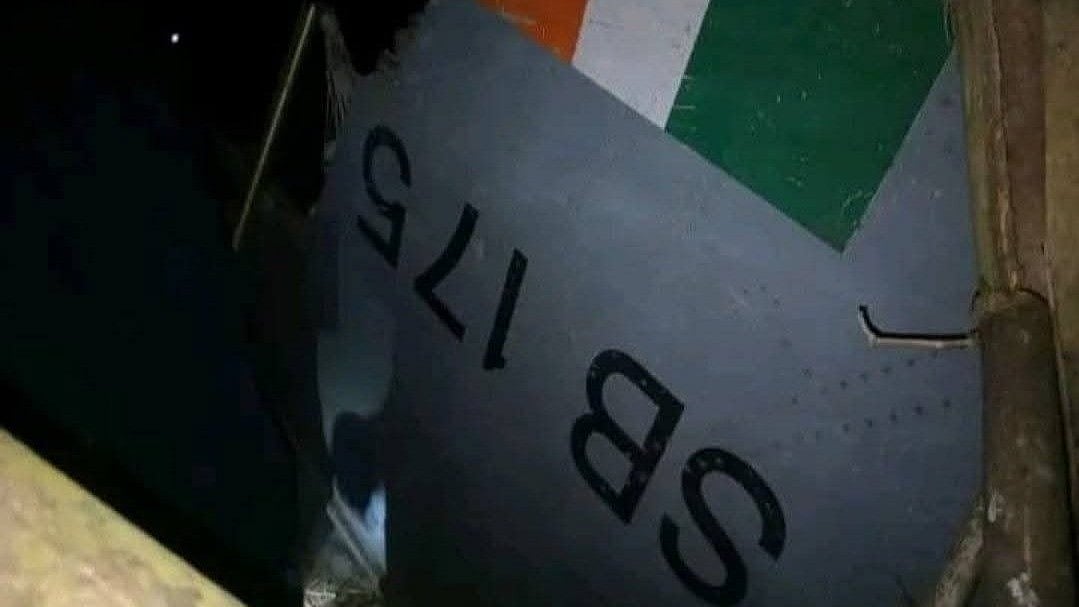
Two pilots from the Indian Air Force (IAF) lost their lives after their Sukhoi Su-30MKI fighter jet crashed in Assam. The accident took place during a routine training flight in the Karbi Anglong district. Rahul Gandhi, the Leader of the Opposition, expressed his deep sadness over the loss of the two officers. The Indian Air Force has confirmed the deaths and started looking into the cause of the crash.
Main Impact
The death of two trained officers is a significant loss for the Indian Air Force and the nation. These pilots were highly skilled individuals performing a necessary training mission to keep the country safe. Beyond the human cost, the loss of a frontline fighter jet like the Sukhoi Su-30MKI affects the fleet's strength. This event has also brought attention back to the safety of military flight operations in the hilly regions of Northeast India, where weather and terrain can be very challenging for pilots.
Key Details
What Happened
The fighter jet took off on Thursday evening for what was supposed to be a standard training flight. It was operating from a base near Jorhat. A short time into the flight, the aircraft lost contact with the radar. It was flying over the Karbi Anglong district at the time. When the plane did not return and contact could not be restored, a large search operation began. On Friday, officials confirmed that the plane had crashed in a hilly area and that both pilots on board had died from their injuries.
Important Numbers and Facts
The two officers killed in the crash were identified as Squadron Leader Anuj and Flight Lieutenant Purvesh Duragkar. The crash site was located about 60 kilometers away from Jorhat in Assam. The aircraft involved was a Sukhoi Su-30MKI, which is a two-seater plane. This means both a pilot and a co-pilot were on board during the mission. The search and rescue teams included members of the Air Force, local police, and district officials who worked together to reach the remote crash site.
Background and Context
The Sukhoi Su-30MKI is one of the most important planes in the Indian Air Force. It was originally designed in Russia, but most of these jets are now built in India by a company called Hindustan Aeronautics Limited (HAL). It is a powerful machine used for many different types of missions, including air defense and ground attacks. Because it is a "frontline" jet, it is used frequently for training to ensure pilots are ready for any situation.
Flying in Assam and other parts of Northeast India can be difficult. The area has many high hills, thick forests, and weather that can change very quickly. This was not the first time a Sukhoi jet has crashed in this region. In 2019, a similar jet went down near Tezpur, though the pilots in that case were able to jump out safely using their parachutes. Another crash happened in 2015 in the same general area. These past events show that while the aircraft is advanced, the conditions in which it operates can be very demanding.
Public or Industry Reaction
Rahul Gandhi shared a message on social media to honor the pilots. He called the news "deeply saddening and painful." He offered his condolences to the families of Squadron Leader Anuj and Flight Lieutenant Purvesh Duragkar, stating that the whole country stands with them during this hard time. He praised the officers as brave sons of India who died while serving their country.
The Indian Air Force also released an official statement. They expressed their sincere grief and said they stand firmly with the families of the fallen officers. On social media, many people shared their respect for the pilots and thanked them for their service. Military experts have noted that while training is dangerous, it is vital for national security, and the loss of such personnel is felt by the entire defense community.
What This Means Going Forward
The Indian Air Force will now conduct a detailed investigation, often called a Court of Inquiry. Experts will look at the flight data and the wreckage to find out exactly what went wrong. They will check if the crash was caused by a technical failure in the engine or systems, or if something else happened during the flight. The results of this investigation will be used to make flying safer for other pilots in the future.
There may also be a temporary review of training procedures for the Sukhoi fleet. If a technical problem is found, the Air Force might inspect other planes of the same model to ensure they do not have the same issue. For the families of the pilots, the government and the military will provide support and benefits as they deal with their loss.
Final Take
The loss of Squadron Leader Anuj and Flight Lieutenant Purvesh Duragkar is a reminder of the risks military pilots take every day. Even during routine training, the dangers are real. While the investigation will eventually provide answers about the technical cause, the immediate focus remains on honoring the memory of the two officers who gave their lives in service to the nation.
Frequently Asked Questions
What caused the Sukhoi Su-30MKI to crash?
The exact cause is not yet known. The Indian Air Force has ordered a formal inquiry to determine if the crash was due to a technical fault, weather conditions, or other factors.
Who were the pilots involved in the accident?
The two pilots were Squadron Leader Anuj and Flight Lieutenant Purvesh Duragkar. Both officers died from injuries sustained during the crash.
Where exactly did the crash take place?
The aircraft crashed in the hilly Karbi Anglong district of Assam, which is located about 60 kilometers from the city of Jorhat.