
Summary
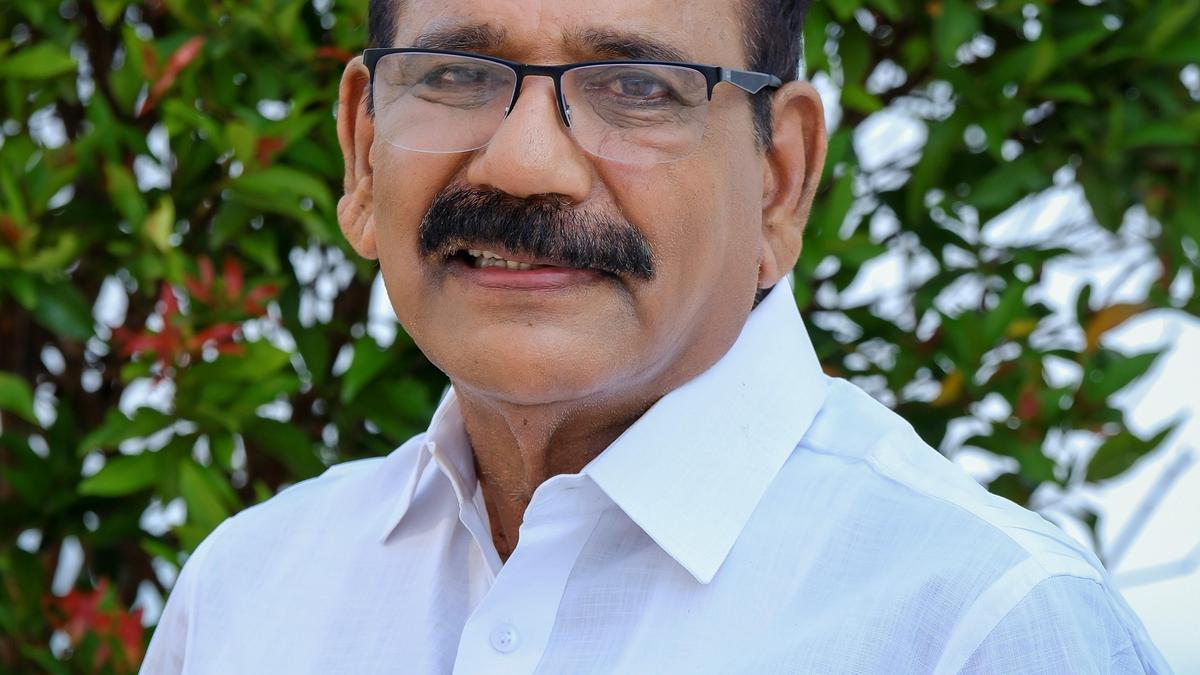
Kerala Forest Minister A.K. Saseendran is preparing to contest the Elathur seat for the fourth time in a row during the 2026 Assembly elections. As a senior leader of the Left Democratic Front (LDF), his candidacy has brought up questions about why the party is not fielding younger faces. At the same time, he faces a tough challenge from local farmers who are angry about how the government has handled animal attacks in rural areas. This election will test whether his long experience can overcome the growing demand for change and better protection for farming communities.
Main Impact
The decision to field A.K. Saseendran again shows that the LDF still relies heavily on its veteran leaders to secure seats. While this provides a sense of stability, it has also created a divide within the political circle and the public. Younger voters and party workers often hope for new leaders to take charge, but the party has chosen to stick with a familiar name. The biggest impact, however, is the direct political move by farmers. By fielding their own candidate, the farming community is turning a local grievance into a major election issue, which could change how political parties approach environmental and agricultural policies in the future.
Key Details
What Happened
A.K. Saseendran, who represents the Nationalist Congress Party (NCP) within the LDF coalition, confirmed his intent to run from Elathur again. In a recent interview, he addressed the criticism regarding his age and long tenure. He stated that the party's final list did not include any younger candidates who were ready to take over the seat. This suggests that the party leadership felt he was the most "winnable" option available. Meanwhile, a group of farmers from the upland regions has decided to protest his candidacy by entering the race themselves. They claim that as Forest Minister, Saseendran failed to protect their crops and lives from wild animals.
Important Numbers and Facts
This will be the fourth consecutive time Saseendran contests from the Elathur constituency. He has held this seat since 2011, making him one of the longest-serving representatives in the current government. The 2026 polls are seen as a critical moment for the LDF, which is trying to maintain its hold on the state. The farmer-led protest is significant because it represents a large voting bloc in the rural parts of the constituency. These farmers have reported thousands of cases of crop damage and several tragic encounters with wild animals over the last few years.
Background and Context
The issue of human-wildlife conflict is a major talking point in Kerala. Many people live near forest borders, and as animal populations grow or their habitats change, they often enter human settlements. This leads to the destruction of farms and, in some cases, loss of human life. As the Forest Minister, A.K. Saseendran has been the face of the government’s response to these crises. Many farmers feel that the current laws are too strict and protect animals more than people. They want the government to take faster action, such as building better fences or allowing for more direct control of dangerous animals. Because these issues have not been solved to their satisfaction, the farmers have lost trust in the traditional political process.
Public or Industry Reaction
The reaction to Saseendran’s candidacy is mixed. Within the LDF, there is support for his experience and his ability to manage complex political alliances. However, some younger members of the NCP have expressed quiet disappointment that they were not given a chance to lead. Outside of the party, the reaction from the farming community has been very vocal. They have organized meetings and rallies to explain why they are fielding their own candidate. They argue that a "pro-farmer" voice is needed in the Assembly to change the laws that affect their daily lives. Social media discussions also show a split between those who value Saseendran’s long history in politics and those who believe it is time for a new generation to take over.
What This Means Going Forward
The outcome of the Elathur election will send a strong message to all political parties in Kerala. If Saseendran wins comfortably, it will prove that incumbency and party loyalty are still the strongest factors in the state. However, if the farmer-backed candidate gets a significant number of votes, it will force the government to take rural safety and wildlife management much more seriously. It may also lead to a shift in how parties select their candidates, perhaps pushing them to include more young people to avoid the "veteran fatigue" that some voters are feeling. The next few months will see intense campaigning as Saseendran tries to defend his record against these local challenges.
Final Take
A.K. Saseendran is walking a difficult path between party duty and public anger. While he defends his place on the ballot by citing a lack of other options, the real test will be at the polling booth. The anger of the farmers is not just about one person; it is about a feeling of being ignored by the system. Whether experience can win over a community that feels threatened by its environment remains the biggest question of this election cycle.
Frequently Asked Questions
Why is A.K. Saseendran being criticized?
He is facing criticism for contesting the Elathur seat for a fourth time instead of letting a younger candidate run. He is also being blamed by farmers for not doing enough to stop wild animal attacks.
Who is running against him in Elathur?
Besides candidates from other major parties, a group of upland farmers has fielded their own candidate to protest the government's forest and wildlife policies.
What is the main issue for farmers in this election?
The main issue is human-wildlife conflict. Farmers are upset about animals destroying their crops and threatening their safety, and they feel the Forest Department has not provided enough help.



