
Summary
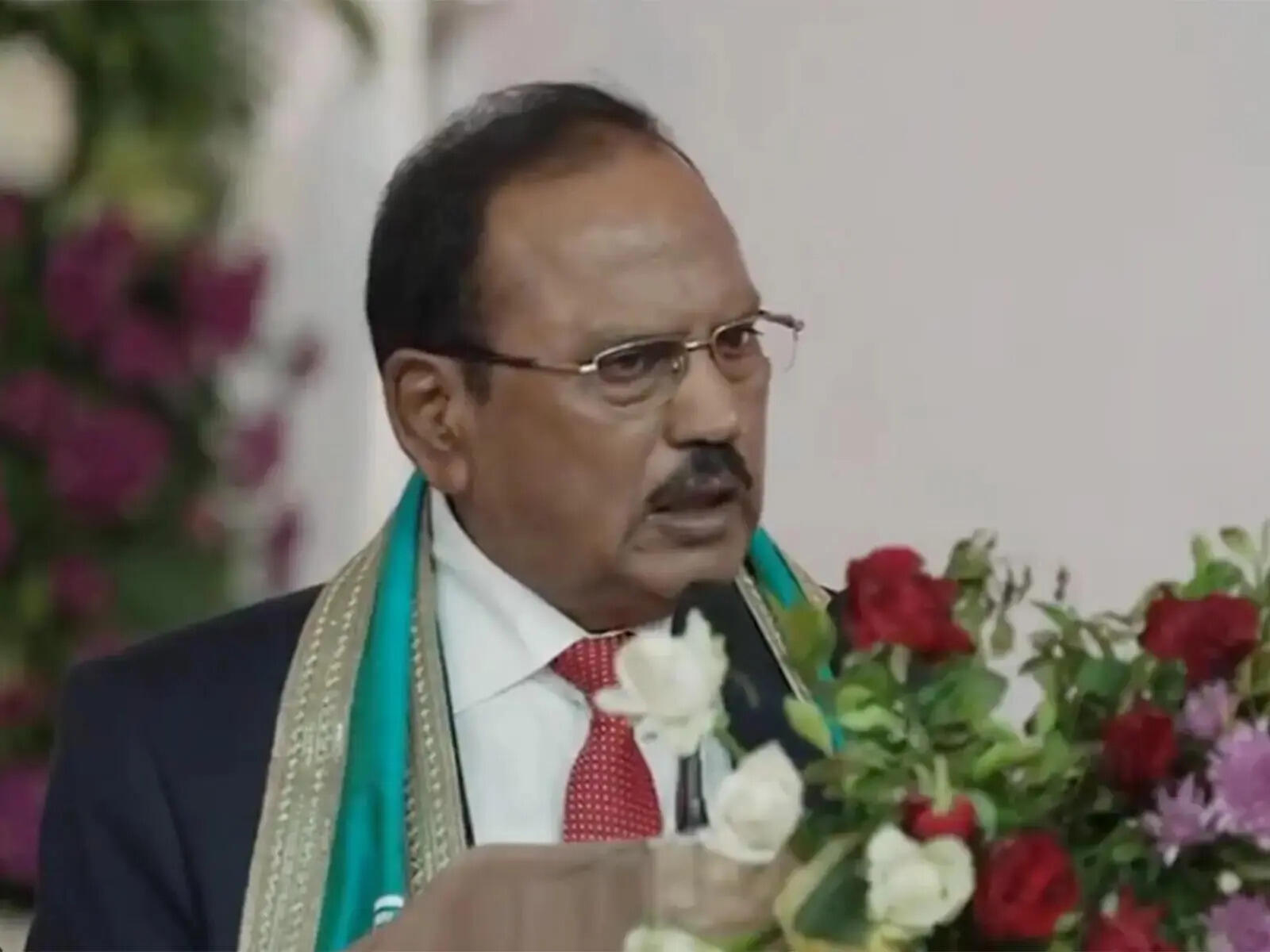
India’s National Security Advisor, Ajit Doval, recently traveled to the United Arab Emirates (UAE) to meet with President Sheikh Mohamed bin Zayed Al Nahyan. The high-level meeting focused on strengthening the relationship between the two nations and discussing the current security situation in West Asia. This visit is part of a larger effort to ensure that both countries remain close partners in trade, energy, and regional safety. By working together, India and the UAE hope to maintain stability in a region that is vital for global energy supplies.
Main Impact
The primary impact of this meeting is the reinforcement of the "Comprehensive Strategic Partnership" between India and the UAE. This partnership is not just about buying and selling goods; it is about deep cooperation in security and defense. When the National Security Advisor meets a head of state, it signals that the two countries are sharing sensitive information and planning for long-term stability. For India, this means better energy security and a safer environment for the millions of Indian citizens living in the Gulf region. For the UAE, it strengthens their position as a key player in Asian politics and trade.
Key Details
What Happened
During the visit to Abu Dhabi, Ajit Doval held private talks with the UAE President. They reviewed the progress made in various joint projects and discussed ways to expand their cooperation. The conversation covered several important topics, including maritime security, counter-terrorism, and the protection of trade routes in the Indian Ocean and the Arabian Gulf. Both leaders expressed a desire to keep the communication lines open to handle any sudden changes in the regional political climate.
Important Numbers and Facts
The relationship between these two countries is backed by significant data. The UAE is India's third-largest trading partner, with total trade reaching billions of dollars every year. Additionally, the UAE is a major source of crude oil for India, making it essential for India’s fuel needs. There are also about 3.5 million Indian nationals living in the UAE, which is the largest group of foreign workers in the country. These workers send back billions of dollars in remittances to India every year, supporting the Indian economy.
Background and Context
To understand why this meeting is so important, we must look at the history of India and the UAE. For a long time, the relationship was mostly about oil and labor. However, in the last ten years, it has changed into a much deeper friendship. The leaders of both countries have visited each other many times, leading to the signing of the Comprehensive Economic Partnership Agreement (CEPA). This agreement makes it easier and cheaper for businesses in both countries to trade with each other by removing many taxes and rules.
The term "West Asia" refers to the Middle East. This region is often in the news because of conflicts and political tension. Since India gets a large portion of its energy from this area, any trouble there can cause gas prices to go up in India. By keeping a strong bond with the UAE, India ensures it has a reliable friend in a sensitive part of the world.
Public or Industry Reaction
Experts in international relations have praised the meeting as a smart move for India’s foreign policy. Industry leaders in the energy sector believe that such high-level talks help stabilize oil markets. When investors see that major oil-producing nations and major oil-consuming nations are talking, it builds confidence in the market. In the UAE, the local media highlighted the "brotherly ties" between the two nations, showing that the friendship is valued at the highest levels of government.
What This Means Going Forward
Moving forward, we can expect to see more joint ventures between Indian and Emirati companies. There is a strong focus on new technology, such as green energy and digital payments. Both countries are also working on the India-Middle East-Europe Economic Corridor (IMEC). This is a massive project that aims to connect India to Europe through the UAE and other Middle Eastern countries using ships and trains. This meeting likely helped clear the way for more progress on this ambitious plan. We may also see more joint military exercises to protect the sea lanes from pirates and other threats.
Final Take
The meeting between Ajit Doval and the UAE President is a clear sign that India and the UAE are moving closer than ever before. It shows that security and energy are the two pillars holding this relationship together. As the world faces economic and political changes, having a strong and steady partner like the UAE is a major advantage for India. This visit ensures that both nations are ready to face future challenges together, keeping their economies growing and their regions safe.
Frequently Asked Questions
Who is Ajit Doval?
Ajit Doval is the National Security Advisor (NSA) of India. He is the top official who advises the Prime Minister on matters of national security and foreign policy.
Why is the UAE important to India?
The UAE is important because it provides a large amount of India's oil, is a major trading partner, and is home to millions of Indian workers who support the economy.
What does "bilateral ties" mean?
Bilateral ties simply refers to the political, economic, and cultural relationship between two specific countries.



